

Giving plants a voice
Tackling soybean pests in real time


Giving plants a voice
Tackling soybean pests in real time
Using breakthrough technology, scientists can now 'listen' to crops in real time and are using that ability to enhance how farmers can treat one of their biggest threats: stink bugs.
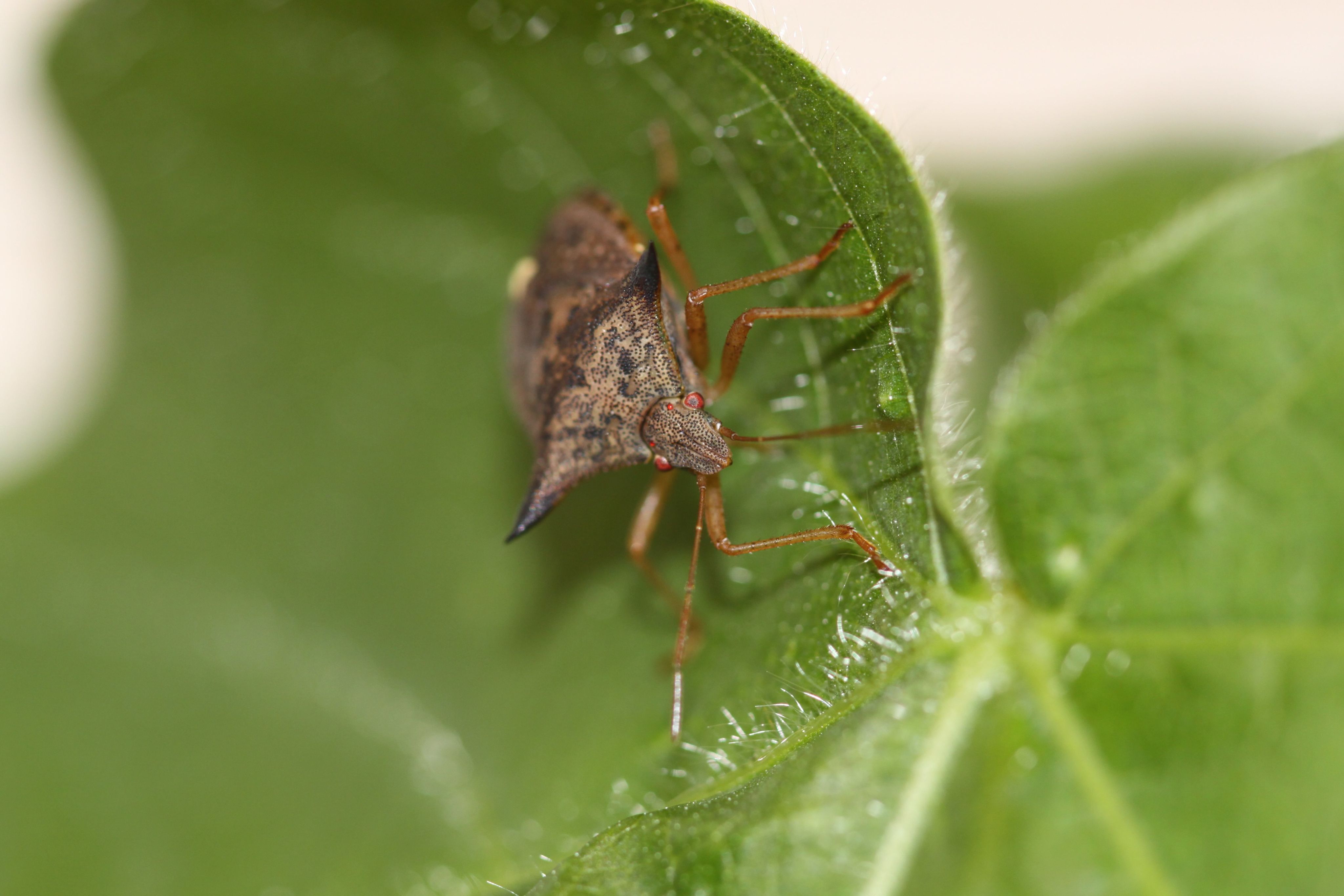
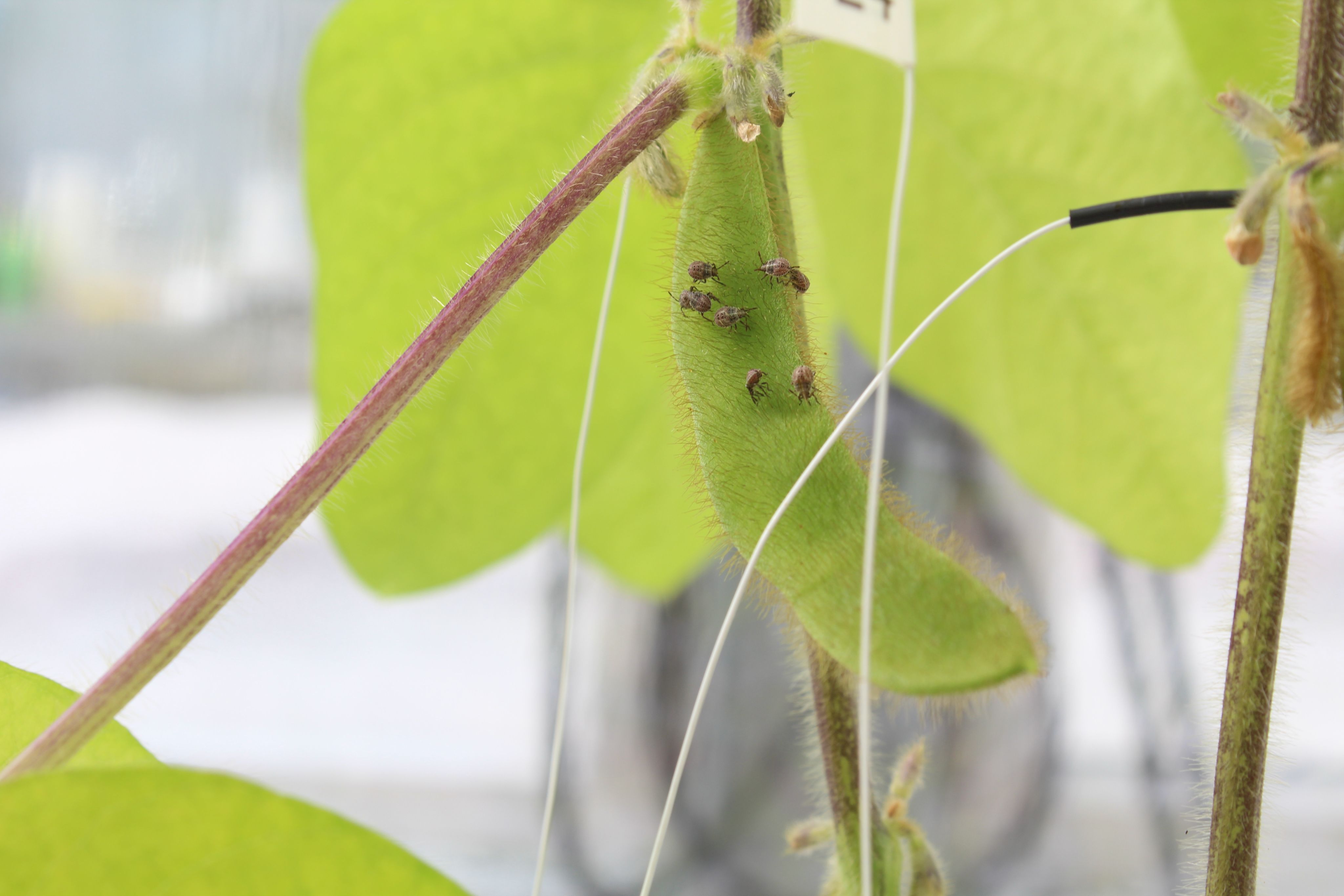
Fully grown, it’s as big as the nail on your little finger. And from above, it looks like a tiny, mottled shield has sprouted spindly legs and a wily pair of antennae. But the threat of the Neotropical brown stink bug (Euschistus heros) looms large over farmers’ fields in Central and South America.
Targeting fledgling soybean crops, their needle-thin suckers pierce the plant’s leaves and release a saliva that disintegrates the tissue into a digestible goo the pest can then suck back up.
These stink bugs stunt plants before they have a chance to grow and leave soybean pods shriveled in their wake.

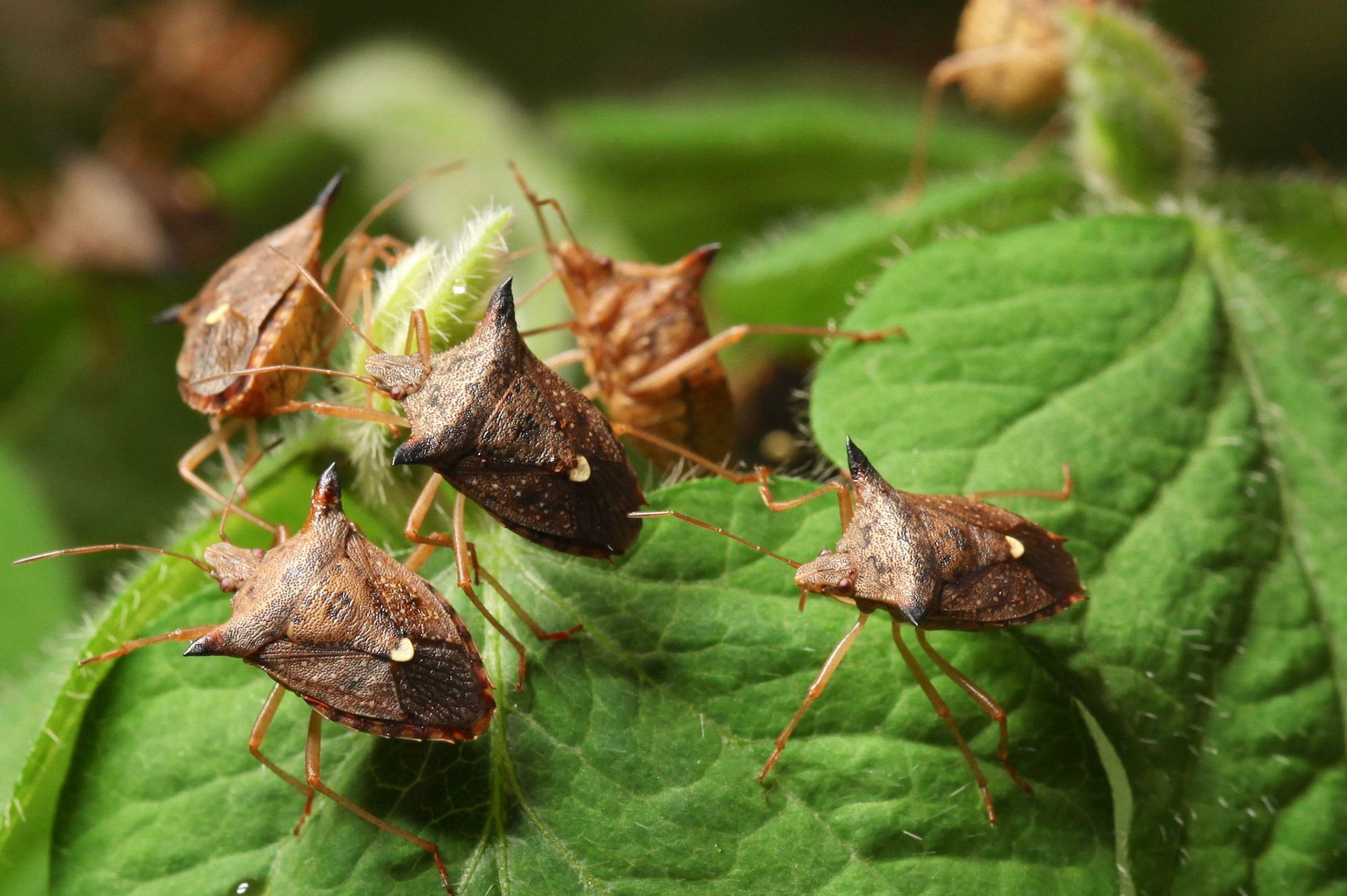
The Neotropical brown stink bug threatens soybean crops across Central and South America.
The Neotropical brown stink bug threatens soybean crops across Central and South America.
It's just one of the threats soybean farmers face. An estimated 21 percent of soybean crops are lost each year due to pests and pathogens.
For farmers, soybean crops are not only their livelihoods, they’re big business. Accounting for roughly half of the world’s oilseed and plant-based protein production, the crop is key for farming communities in the US, Brazil, and Argentina. In the US alone, it is the second-largest crop, contributing about $124 billion to its economy annually.

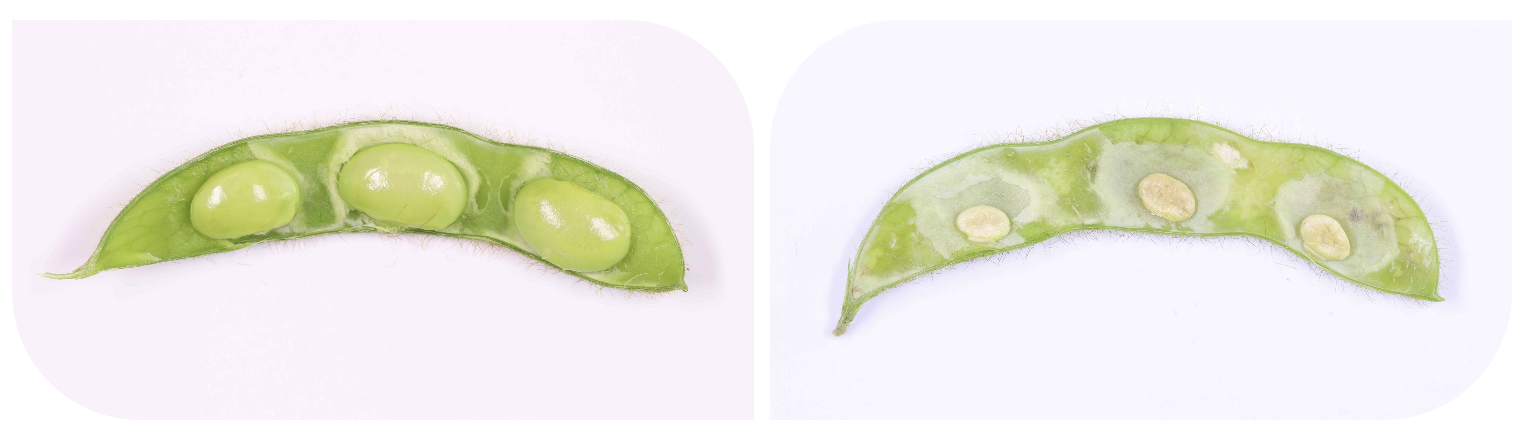
Stink bugs can have a devastating effect on plants. Pictured above: A soybean pod before and after a stink bug attack.
Stink bugs can have a devastating effect on plants. Pictured above: A soybean pod before and after a stink bug attack.
But farmers face a major problem: although a stink bug infestation can spread rapidly through this staple crop, it can take up to a week to see the damage caused.
So, what if we could use cutting-edge technology to detect the harm these tiny terrors cause, in its earliest stages, and stop it? It could save growers billions in lost earnings, time, and resources. And it could help to shore up the food security of one of the world’s most important plants.
Early detection of danger
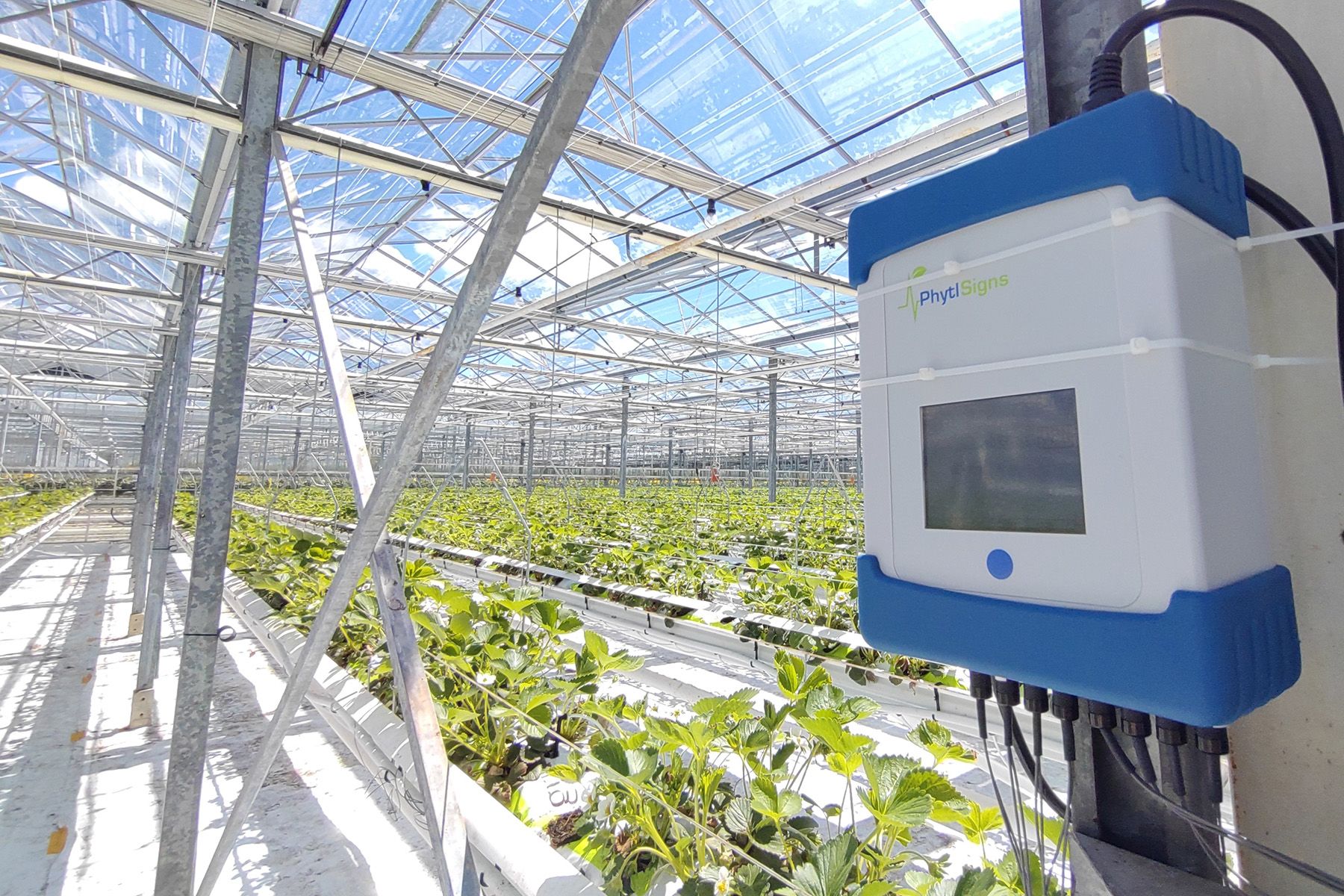
A novel approach developed by Syngenta allows scientists to 'listen' to plants suffering from a stink bug attack, as it happens, meaning we can detect the problem earlier and respond to this hidden danger with effective products.
It’s a breakthrough from the ongoing collaboration between Syngenta and Vivent Biosignals, a Swiss-based technology enterprise. The partnership’s most recent finding was published in Nature Scientific Reports and is the latest in a series of scientific breakthroughs using these clever devices.
In simple terms, the scientists used specialized technology to ‘listen’ to crops and measure what happens when stink bugs attack soybean plants.
The technology harnesses plant electrophysiology by recording the electrical signals plant cells send out in response to changes in their environment. This is perhaps the fastest mechanism that plants use to communicate between cells, tissues, and organs.
Readings from Vivent Biosignals’ technology record the so-called stress levels of the plant, allowing scientists to observe the crop’s response in real time.

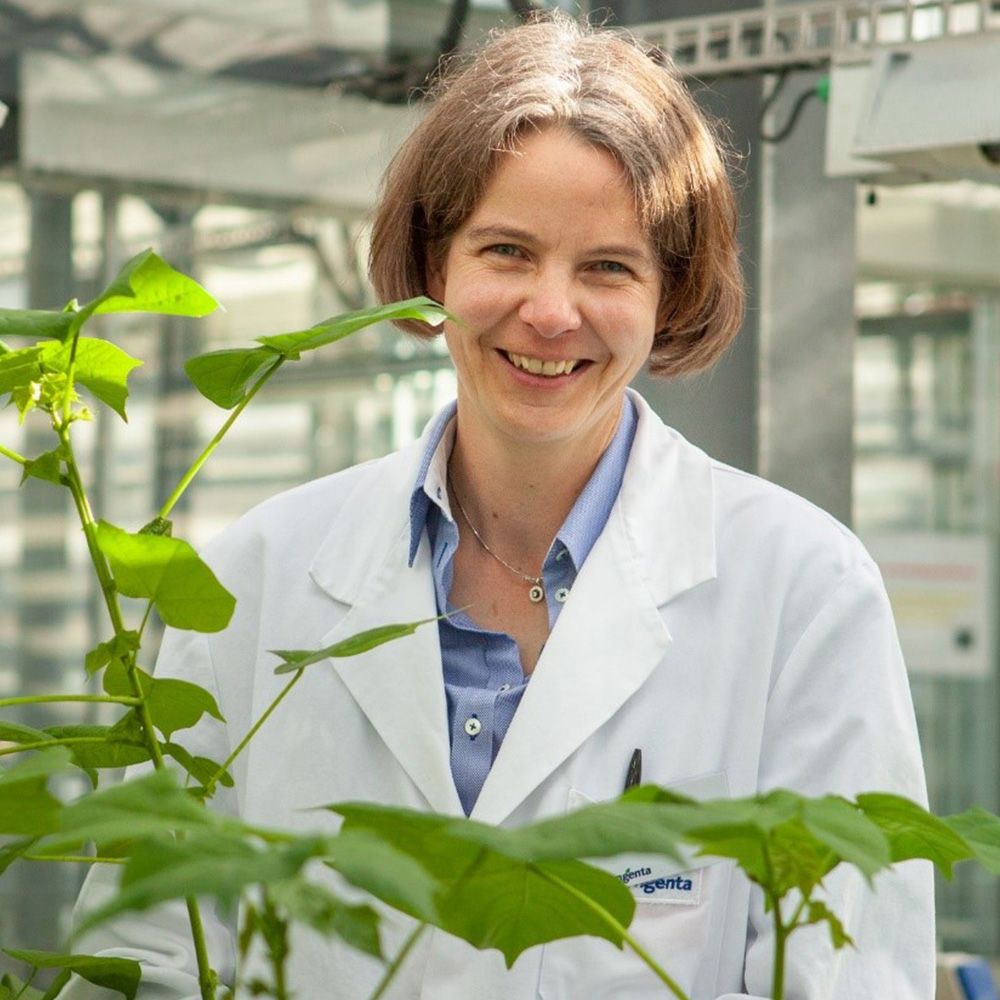
Syngenta Fellow Anke Buchholz (pictured) explains: “The plant is communicating with ion fluxes and, in principle, we are listening from the outside. Using extracellular plant electrophysiology, we can hear what is going on in the plant.”
Although the use of plant electrophysiology dates back 120 years, such is the complexity and sheer weight of the data involved that only now, thanks to machine learning and AI, we can start to understand these signals.
“No human could handle and decode these signals, see the difference, and translate it,” Anke says of the data analysis.


A solution for stink bugs
Led by Anke, a team of Syngenta scientists used Vivent Biosignals’ technology to measure how soybean crops reacted to a stink bug attack in real time, and their response to the use of an effective crop protection product to treat an attack.
The study tested soybean crops – untreated and treated with crop protection products and – before, during, and after a stink bug attack. Treatment included the use of VERDAVIS®, derived from Syngenta’s blockbuster PLINAZOLIN® technology.
By listening in, scientists were able to detect the stress caused by an attack on the plants earlier than they would be able to otherwise – providing an opportunity to use an effective crop protection product to halt the spread. Due to its very fast speed of effect, VERDAVIS® was ideal in controlling a stink bug attack before it took hold.
The study also found that rather than tackling the stink bugs, Syngenta’s recent innovative crop protection solutions diverted the pests from harming the plants.
Jurrian Friedrich, Scientific Expert Insect Control Research Biology at Syngenta, says: “We want to offer growers solutions that disturb and divert the pests that damage their crops. Our aim is to make targeted products that protect plants.”

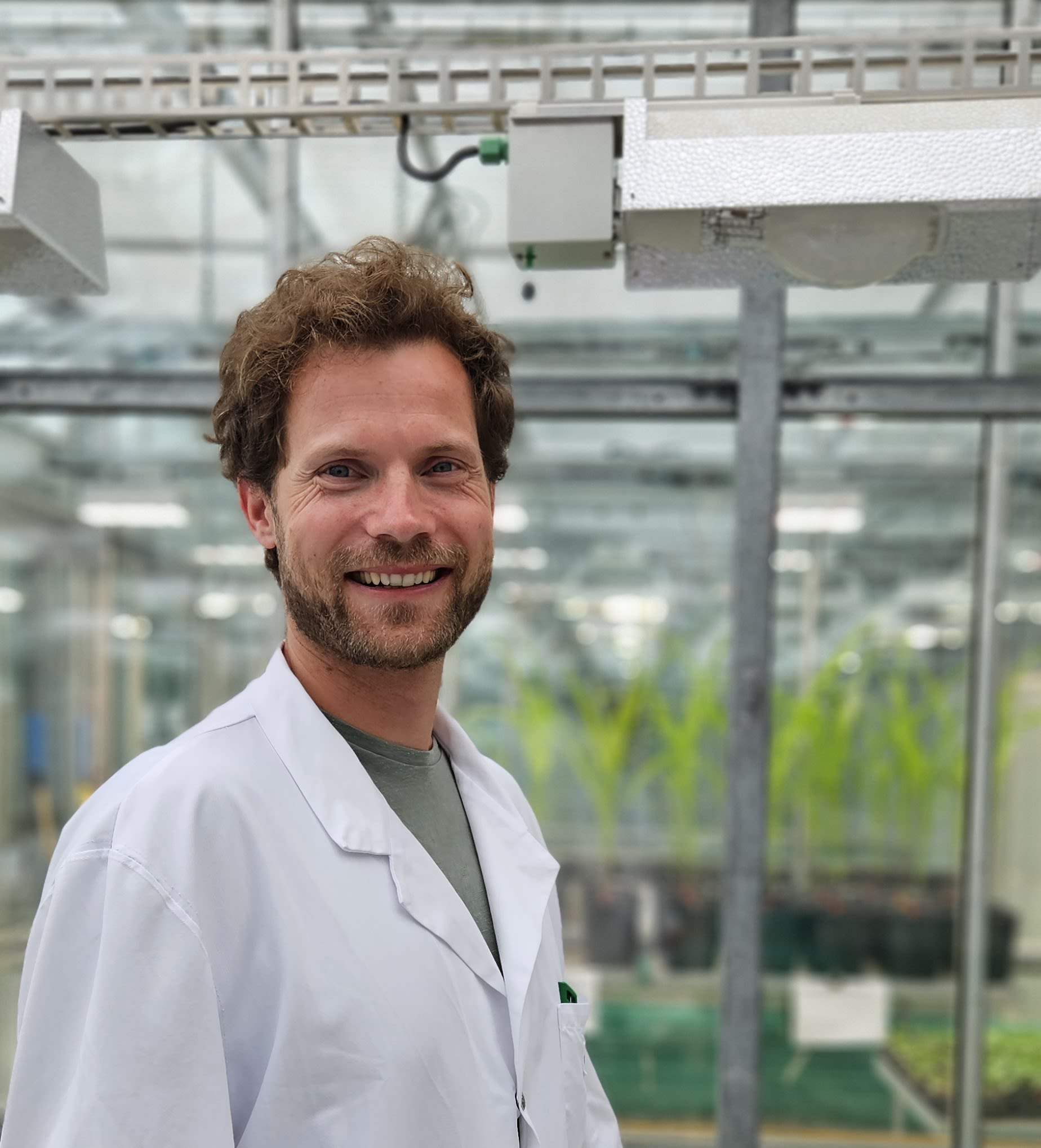
Jurrian Friedrich, Scientific Expert Insect Control Research Biology, Syngenta.
Jurrian Friedrich, Scientific Expert Insect Control Research Biology, Syngenta.
This cutting-edge research could also help farmers to reduce their impact on the environment through precision agriculture. By being more precise with how they farm and the products they use, growers can reduce their environmental impact while boosting productivity.
Furthermore, the scientists also discovered that soybean plants treated with crop protection product VERDAVIS® before a stink bug infestation demonstrated the same low levels of stress as non-infested plants, underlining the impact of targeted crop protection.

As Anke says: “Electrophysiology helps us to identify products that are better suited to farmers’ needs in preventing crop damage from pest and disease threats. As well as demonstrating which research offers the best suited solution, it will also inform the development of the next generation of crop protection.”