What is sustainable agriculture?
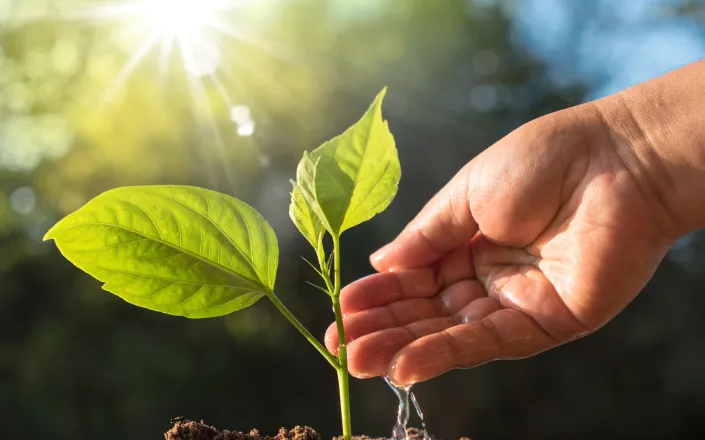
Growing food shouldn’t cost the earth. That’s the core idea behind sustainable agriculture, a concept growing in popularity among farmers worldwide.
In simple terms, it is farming to meet the demands of a growing population, without compromising the ability of future generations to meet their own needs. Grounded in the three pillars of environmental health, economic profitability, and social and economic equity, the idea balances each, equally.
Sustainable agriculture
How to achieve sustainable agriculture?
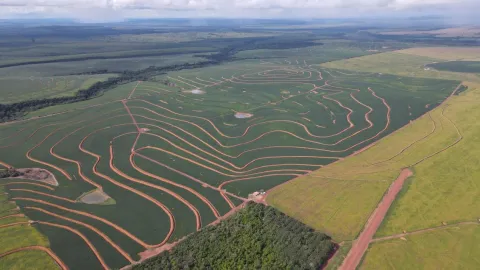
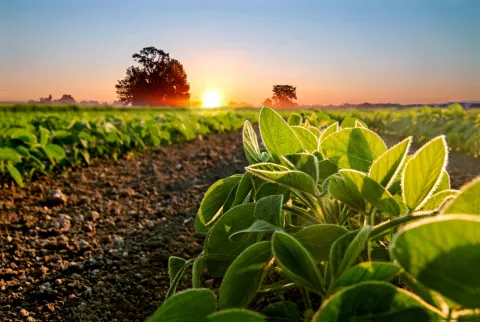
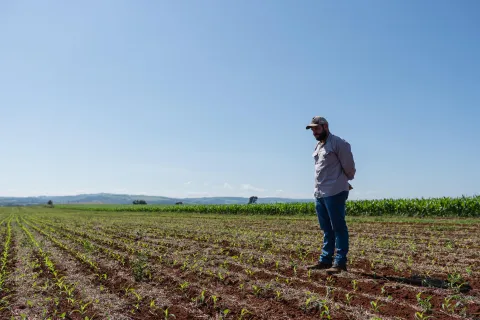
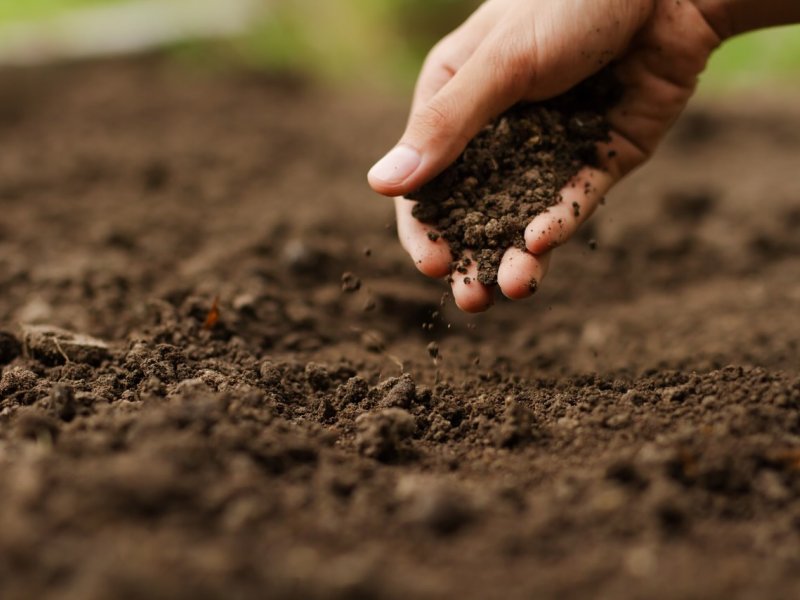
By nurturing and enhancing their soils, and growing and harvesting their plants in ways that have less impact on the environment, farmers can be part of this sustainable solution.
Image
How does regenerative agriculture support sustainable agriculture?
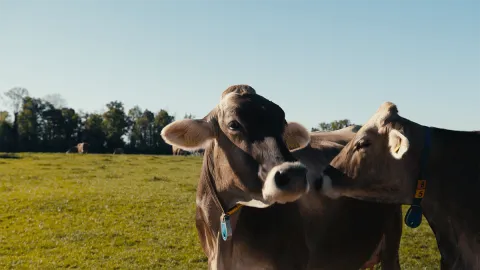
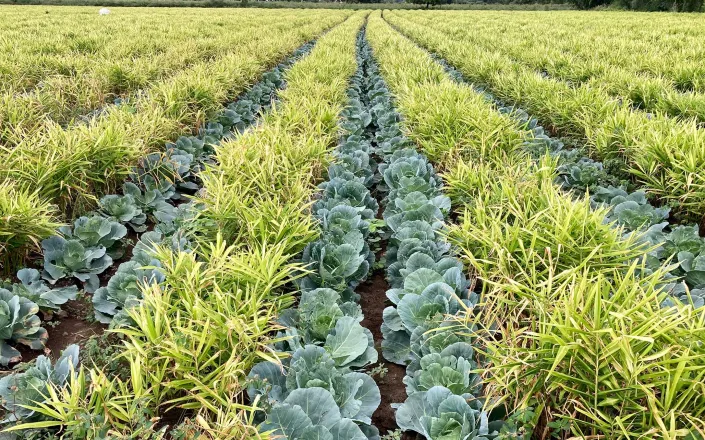
Regenerative growing techniques, such as no-or-low-till, diversifying crop rotation, livestock integration, and cover cropping, can play a huge role in this, as these practices reduce carbon emissions and improve the environment.
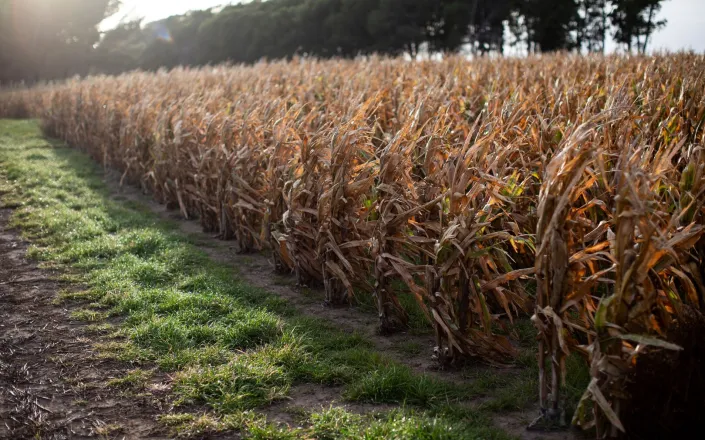
Alongside this, techniques that reduce carbon emissions on-farm can help growers to be more sustainable. Precision agriculture, digital farming, carbon sequestration, and boosting biodiversity are just a few ways growers can ensure productivity while working with the land, not against it.

Sustainable farming practices and technologies
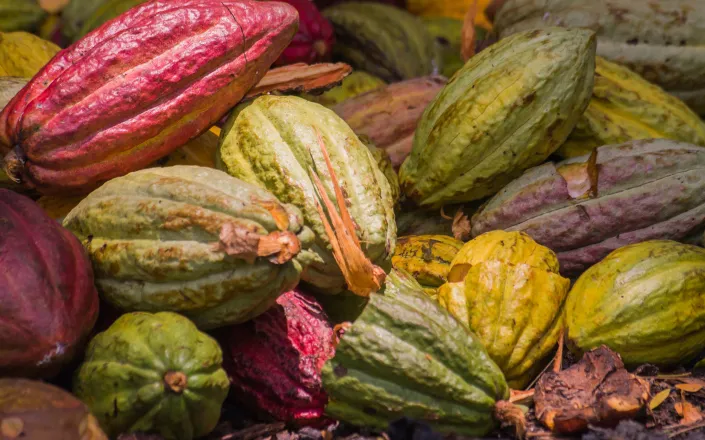
Sustainable agriculture
Edapholog Technology: Revolutionizing Soil Health Monitoring
How Edapholog Technology is empowering growers to measure soil health through AI
Image
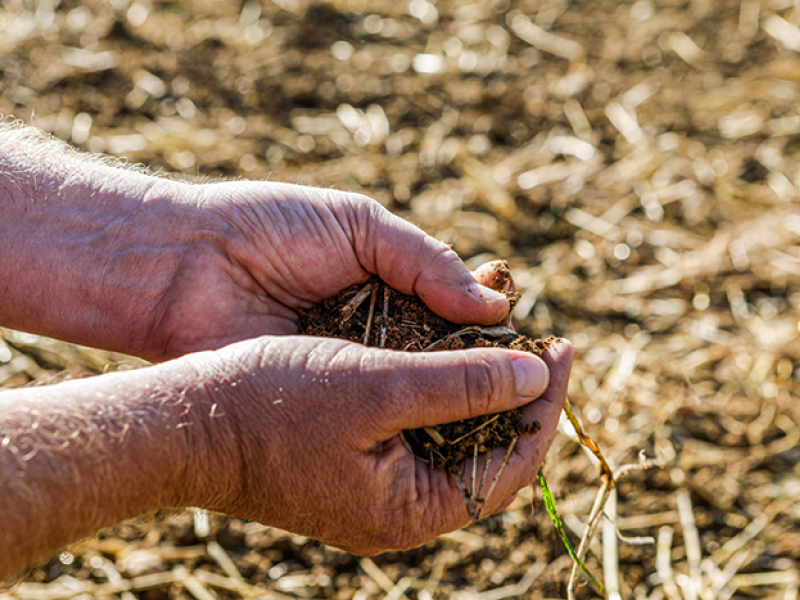
A sustainable future with Soil management Regenerative agriculture Innovations
At Syngenta, we believe the food that feeds the world can also help to improve it. That’s why we’re working with farmers to embed resilience into agriculture - one seed at a time. Discover how through our stories.