

Unlocking the economic and leadership potential of Indonesian women farmers
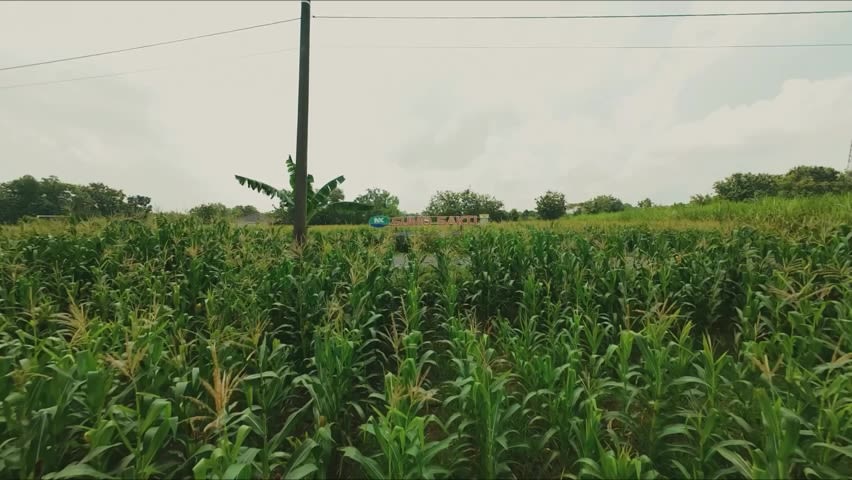

How a unique farming community is helping Indonesia’s women farmers raise their income and transform their careers.
Meet Supriyati. From the village of Tlogotirto in Central Java, she’s been farming for the last 30 years and is also the leader of the local women’s farmer group.
“The challenge is that in the morning we feed our cattle, prepare the food, cook and take the children to school. Even when we are tired, we still have to stay enthusiastic about planting corn,” she says.

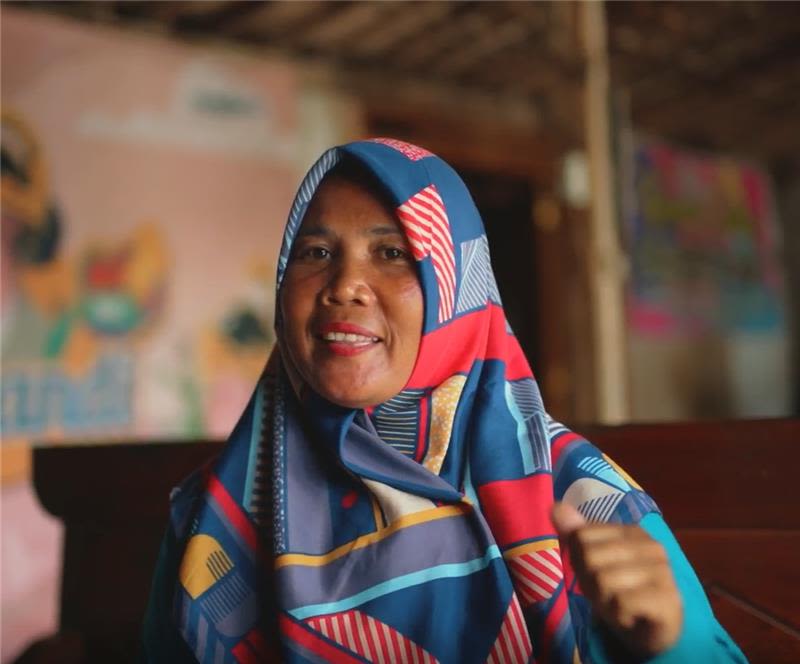
Like millions of women farmers across Indonesia, Supriyati manages her harvests alongside running her household and taking care of her family.
Like millions of women farmers across Indonesia, Supriyati manages her harvests alongside running her household and taking care of her family.

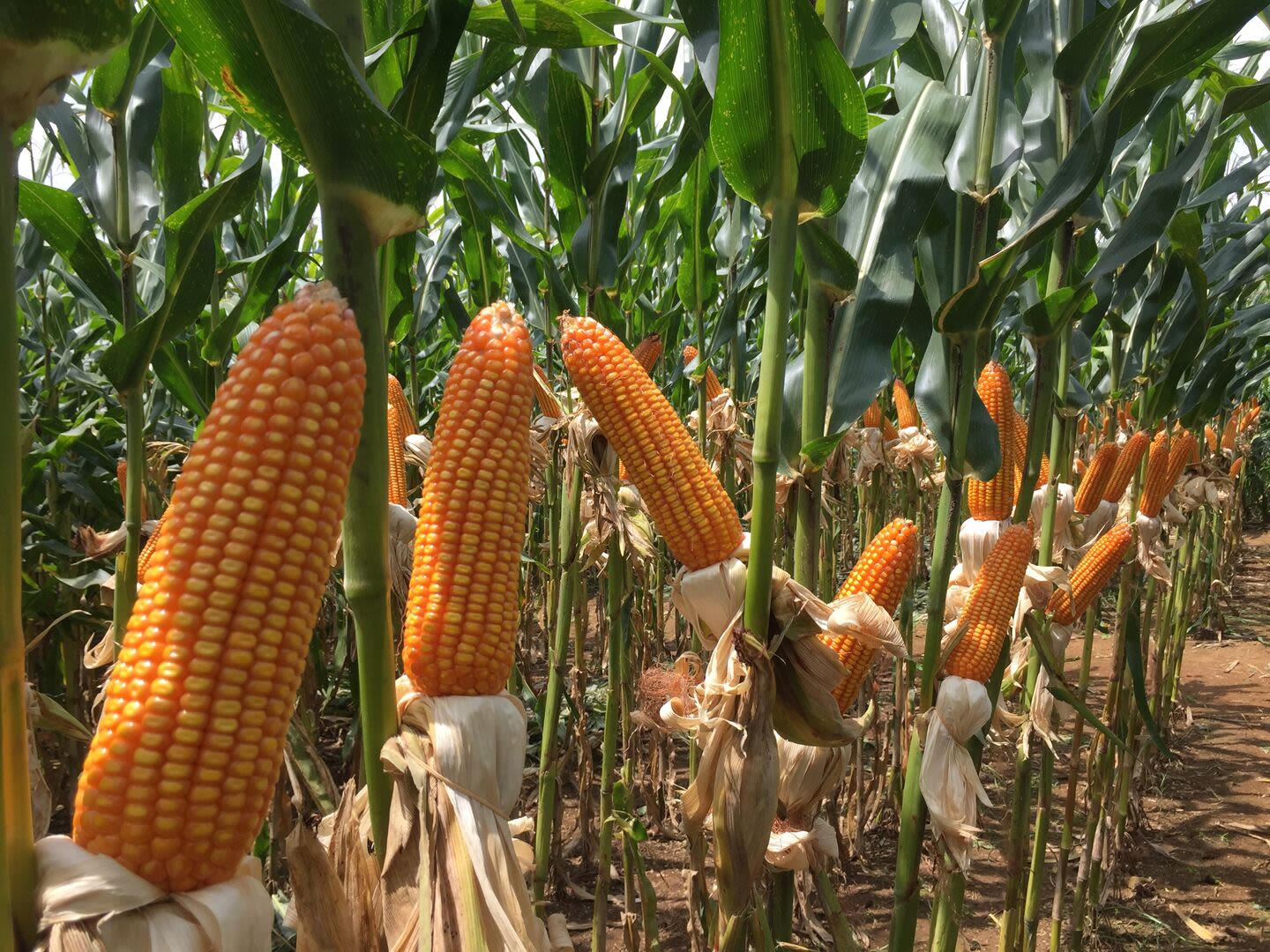
Indonesia is home to over 280 million people. According to the 2023 agriculture census almost a third of the country’s workforce make their living in agriculture. Most of the country’s smallholder farmers are men. But not all of them.
Across the country there are millions of women just like Supriyati who play a vital role in producing crops, managing harvests and taking care of their households at the same time. Yet despite their contributions, women farmers often face barriers to resources, training, and recognition.
By empowering these women with new agronomic knowledge and access to the wider value chain, the knock-on impact could positively impact whole communities.
Unique community for women farmers
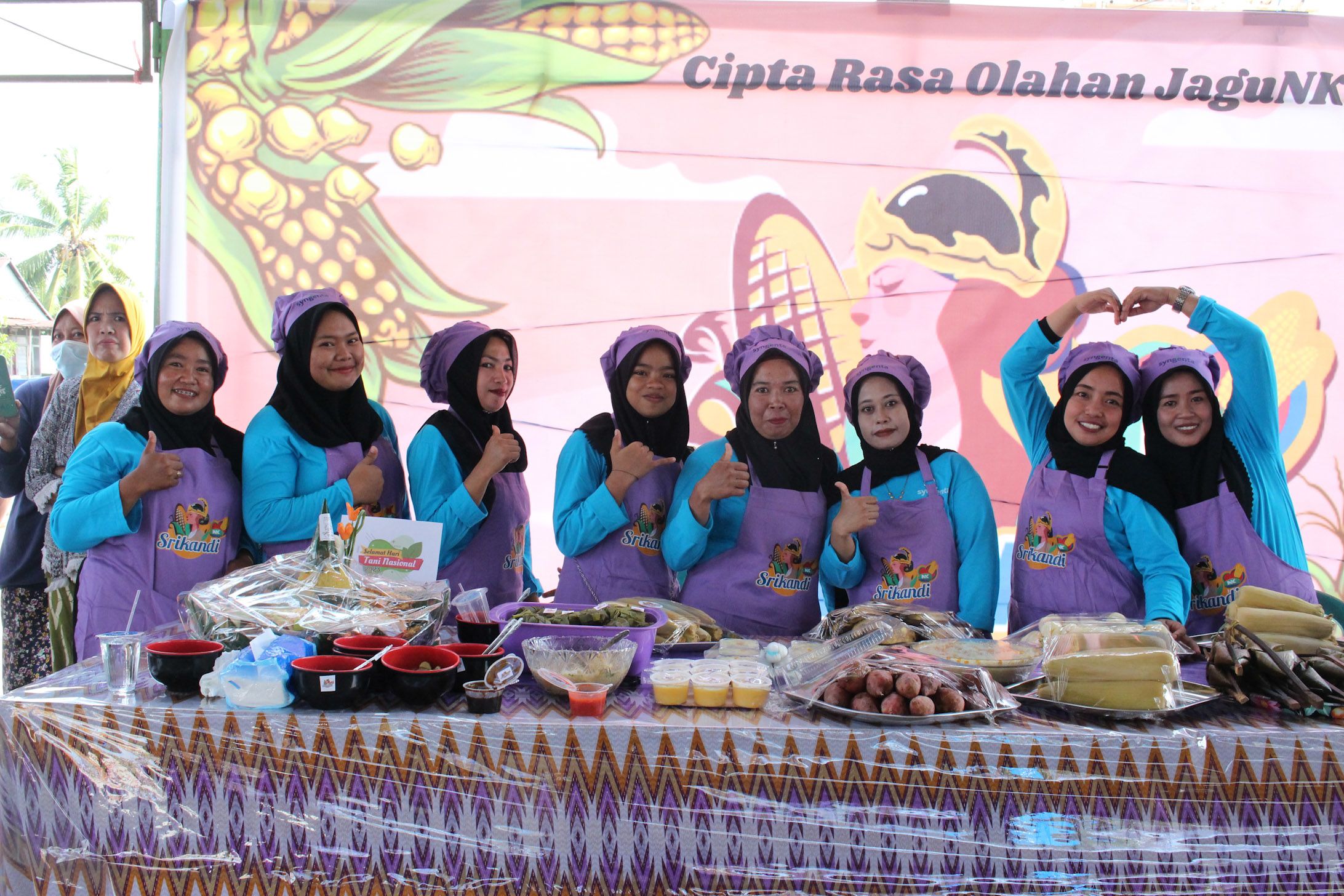
Syngenta’s Seeds Field Crops team helped establish a unique farmer community for women working as corn growers. Called Srikandi NK, it is named after the legendary female warrior of the Javanese Mahabharata tradition, and Indonesia's enduring symbol of women's courage and emancipation.
Inaugurated on March 8, 2023, the community started in East Java with 15 key women farmers who have connections to a network of a thousand farmers. After two years, the project has expanded to every region of Indonesia. As a result, the Srikandi NK leaders are collectively connected to a broader network of more than 3,000 women farmers across the entire country.
Huy Cuong Nguyen is Syngenta’s Head of Seeds Field Crops for Indonesia. He explains: “Srikandi NK was established to unlock both the economic and leadership potential of women growers within our ecosystem strengthening both household resilience and long-term agricultural sustainability in Indonesia.”

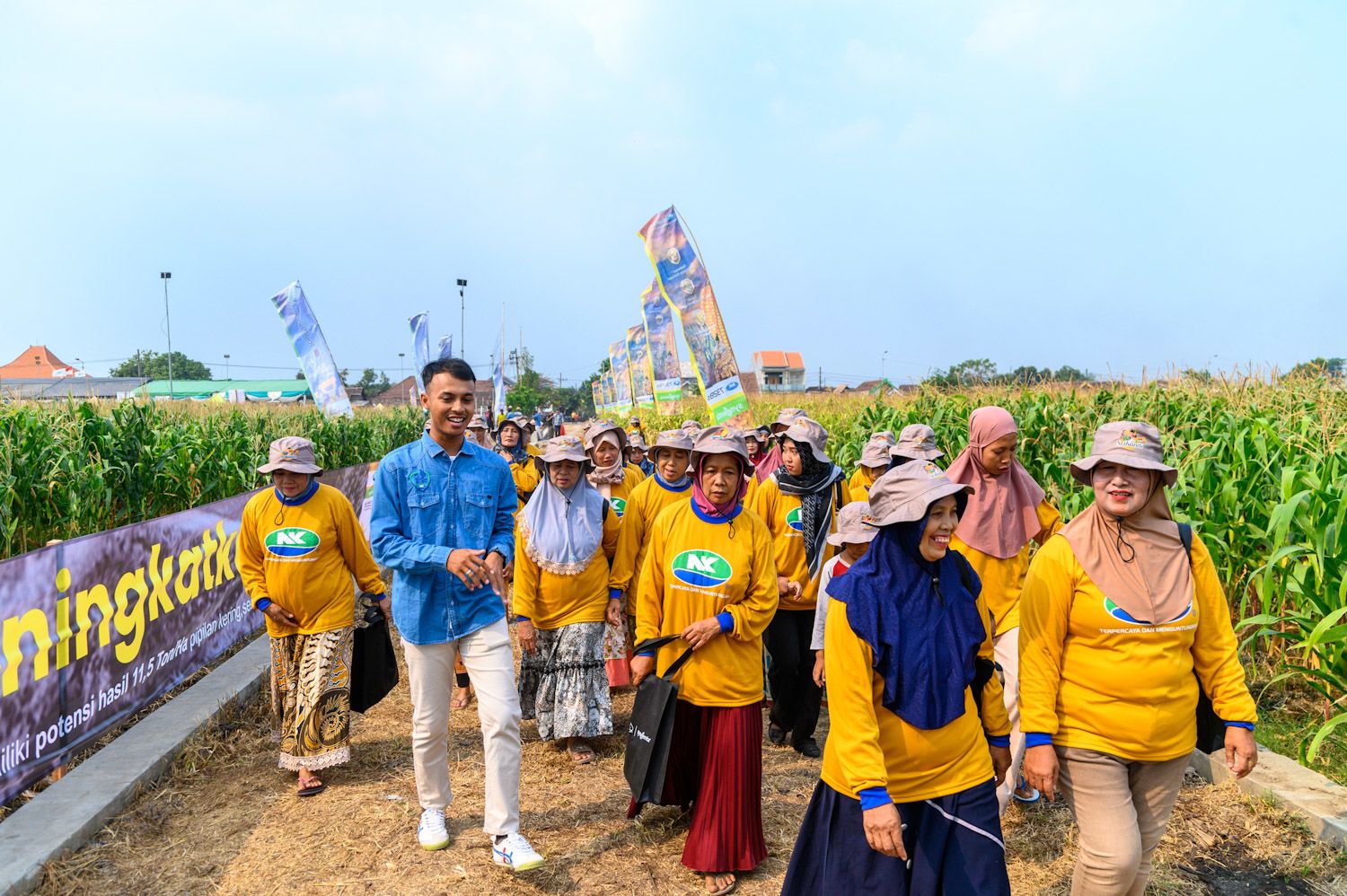
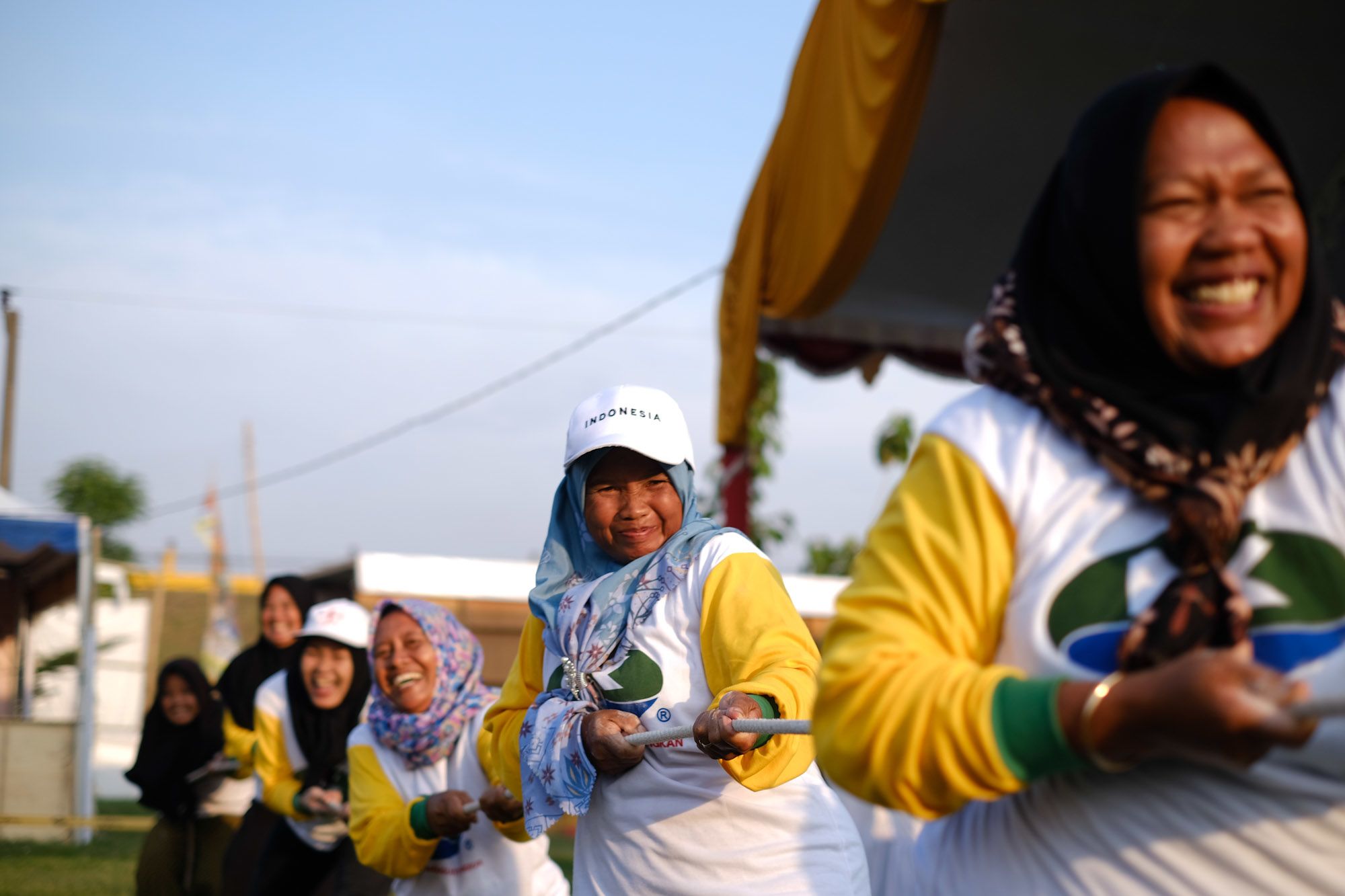
The Srikandi community connects thousands of women farmers across Indonesia, helping them with new knowledge, skills and market access.
The Srikandi community connects thousands of women farmers across Indonesia, helping them with new knowledge, skills and market access.

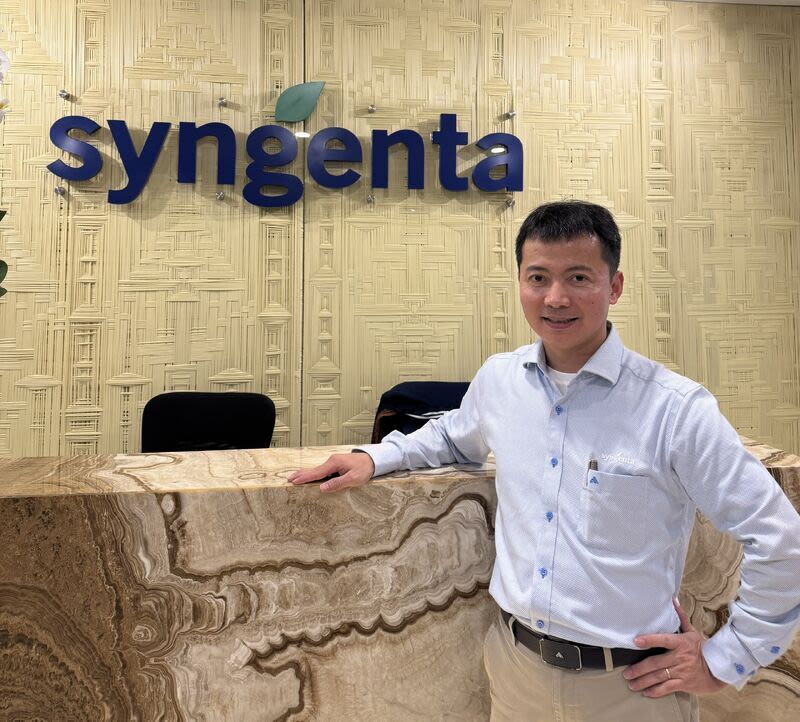
Huy Cuong Nguyen, Syngenta’s Head of Seeds Field Crops for Indonesia.
Huy Cuong Nguyen, Syngenta’s Head of Seeds Field Crops for Indonesia.

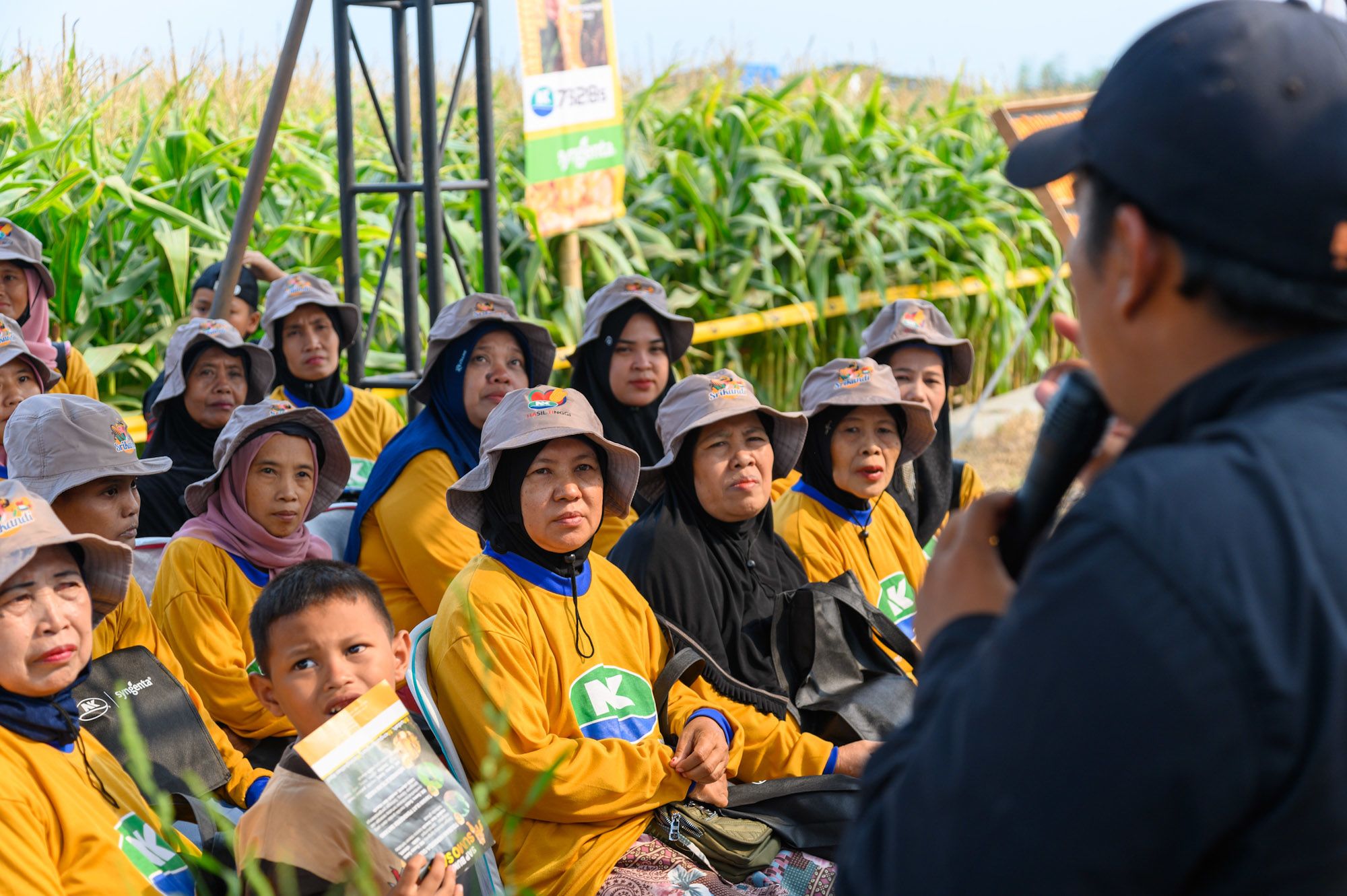
Key to the success of the community are three strategic pillars. Audelina Asril, Campaign Manager for Seeds Field Crops, says: “We want to improve women’s access to agronomic knowledge, encourage women to move beyond selling raw commodity and inspire them to see agriculture as a viable career.”
Supriyati agrees: “When the harvest comes, we earn money – this is what keeps us motivated, that we can earn an income from our farming.”
Creating added value opportunities for smallholders
One of the biggest ways the Srikandi NK community is making a difference is through enhancing smallholder prosperity. All the members are corn farmers, and while this is a valuable crop, simply selling the grain can have a limited profit margin. The solution was to add value before selling.
Ten Srikandi NK members took Syngenta’s hybrid corn and processed it into tortillas and macaroni that even with additional processing costs, still raised the value of their products. The results were clear, helping the group raise their monthly income by an additional Rp 3 million every month (approximately $175 USD).
Audelina says that “given the success of this project, plans are already underway to expand the group’s production facilities with their own dedicated kitchen space. This will give them more options for products to sell, helping them become not just farmers, but agricultural entrepreneurs.”

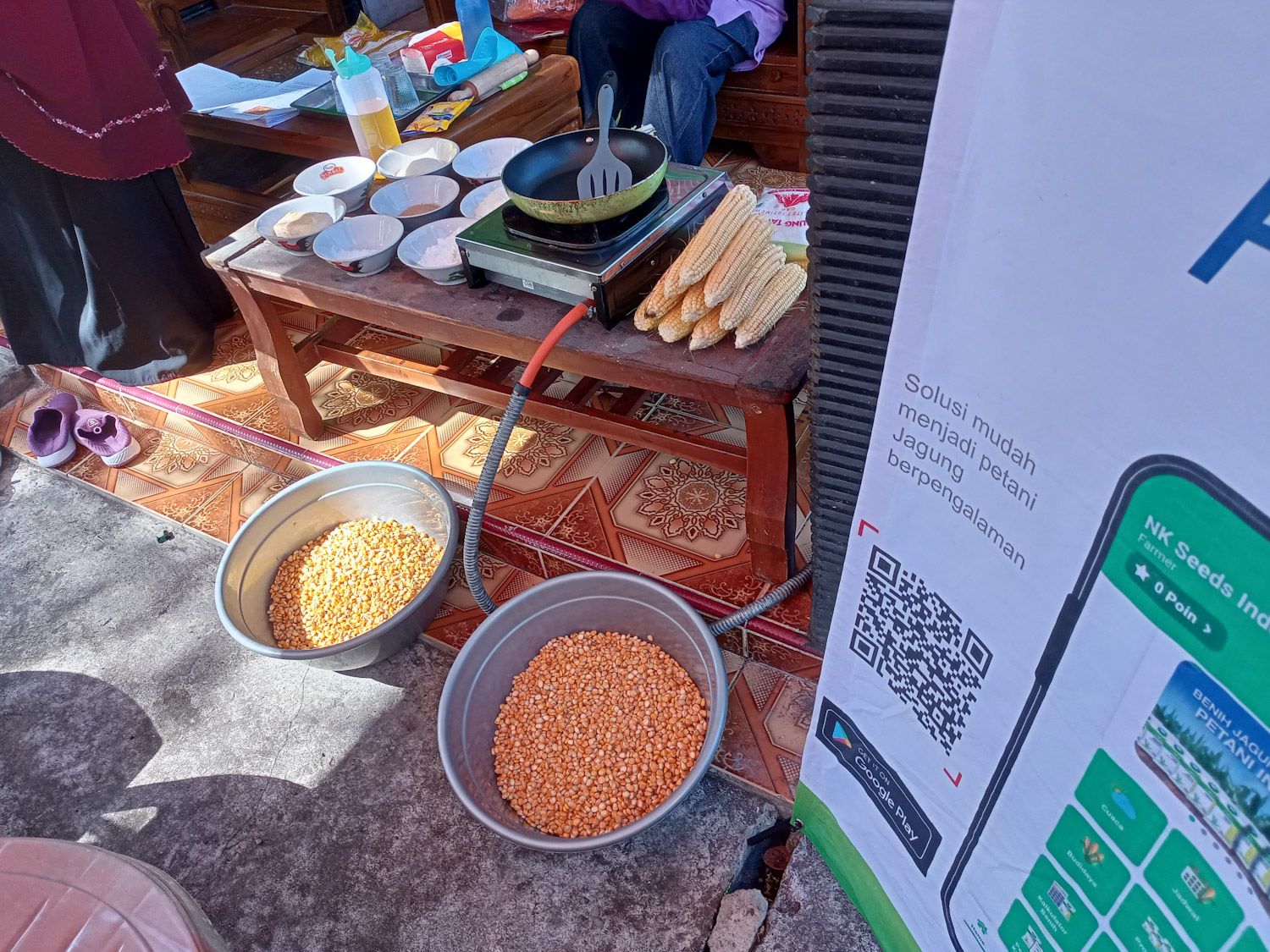
Access to Syngenta seeds and agronomic advice helps woman across the country raise their yields.
Access to Syngenta seeds and agronomic advice helps woman across the country raise their yields.
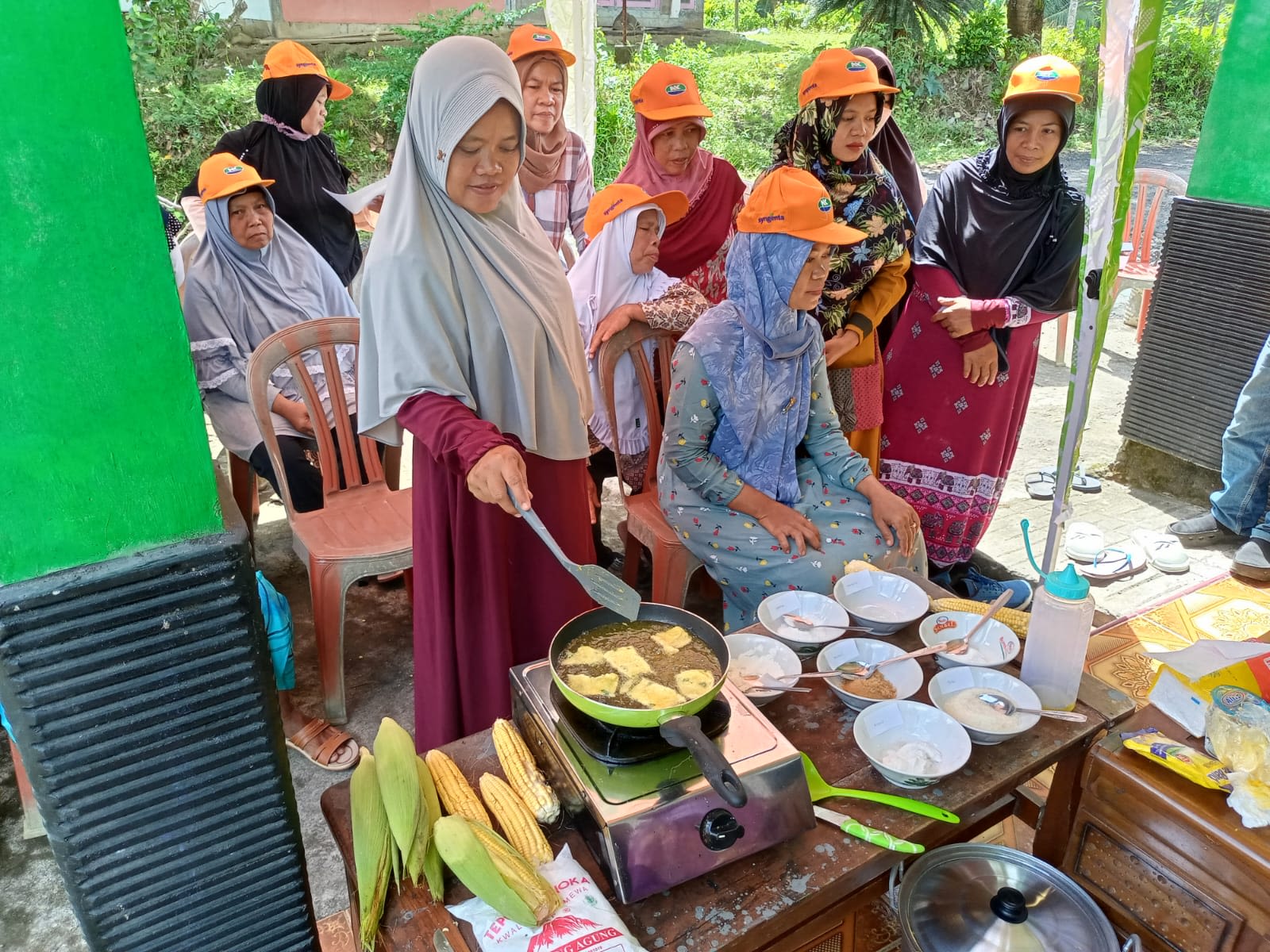
Srikandi supports women farmers by connecting them to the wider value chain, helping them gain access to wider markets and increase their income.
Srikandi supports women farmers by connecting them to the wider value chain, helping them gain access to wider markets and increase their income.


Role of women farmers in ensuring food security
As word about the Srikandi NK community has grown, more women across Indonesia are stepping forward — inspired to lead, learn, and build their businesses from their fields.
It’s a story that resonates beyond Indonesia’s borders, especially in 2026, the International Year of the Woman Farmer.
As Cuong says: “Women farmers in Indonesia have an important role to play in ensuring food security for their families and their communities.”
The success of Srikandi NK proved that given the right support, women can excel. At the same time, it also revealed that there is a need for wider outreach, beyond just corn farmers, to unlock the potential of women farmers across Indonesian agriculture with similar opportunities.
This realization led to the launch of PUTRI Petani MAJU during the February 2026 visit of Steve Hawkins, President of Syngenta Crop Protection, to Indonesia. PUTRI — loosely translated as Women Farmers Achieving Their Dreams — is intended to be hub for women farmers where they can receive relevant training, alongside access to inputs, technology, and markets.
As Eryanto, Country President Director, reflects: “We believe in a simple truth, that when you empower one woman farmer, you empower an entire family. Through PUTRI, we are investing in the future of Indonesian agriculture.”