What is agricultural technology?
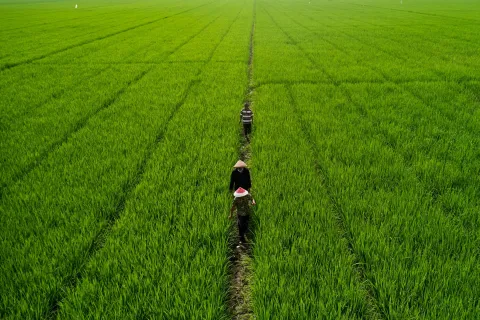
From the manual plow to GPS-navigated tractors, agriculture and technology have always gone hand-in-hand. But the tools growers need have changed with the times.
Now, we’re empowering farmers with cutting-edge technology in order to optimize resource use and grow healthier food, all while protecting the environment.
Innovation
Agricultural intelligence: The engine of the 4th revolution
As a company driven by innovation, we believe the next evolution of farming is driven by data and artificial intelligence. And we’re using agricultural intelligence to get there.
What technologies are used in agriculture?
EXORT™ technology:
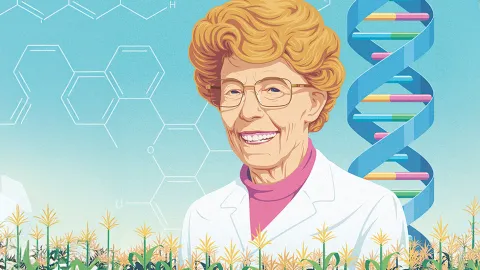
What are microRNAs, the Nobel-prize winning discovery that could transform agriculture?
Image
Image
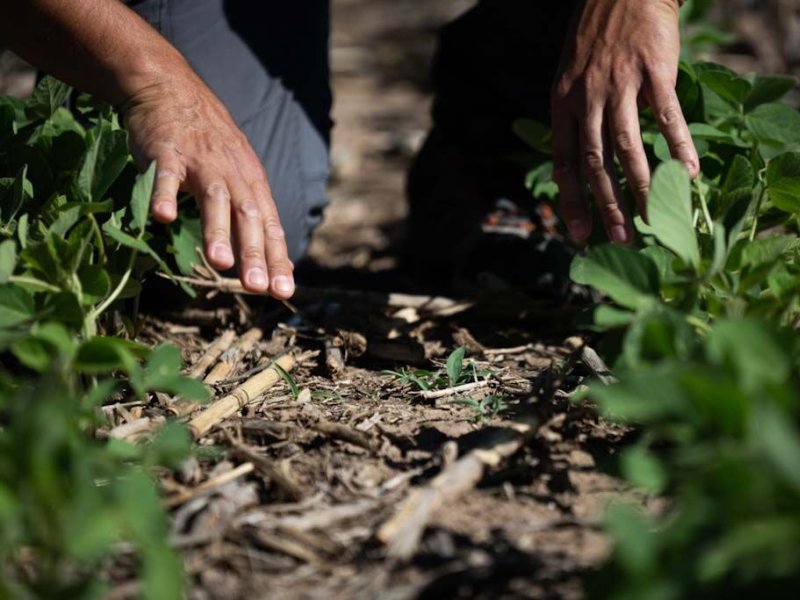
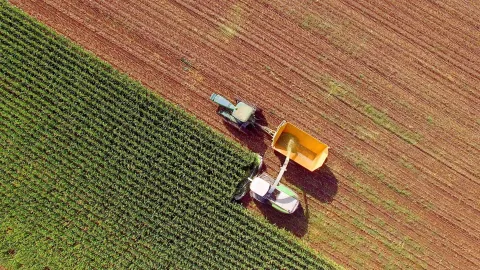
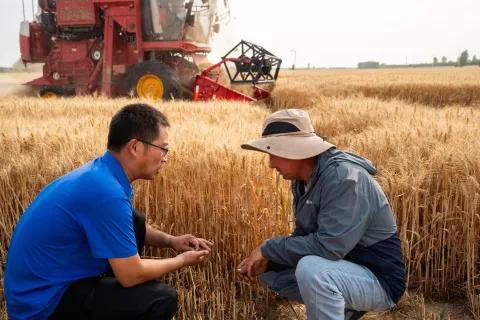
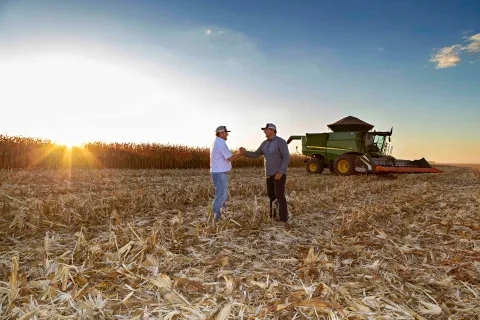
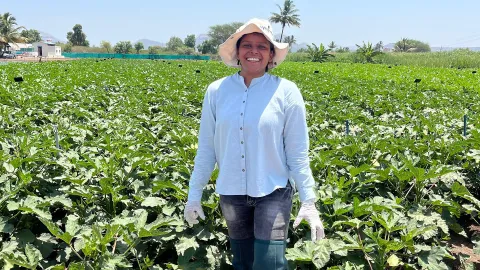
Technology enhances all aspects of farming. Machines, such as tractors and combine harvesters, can help with the heavy lifting of labor-intensive tasks, like planting and harvesting crops, to a degree of precision people cannot match.
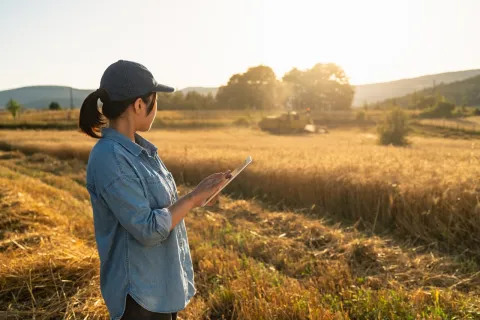
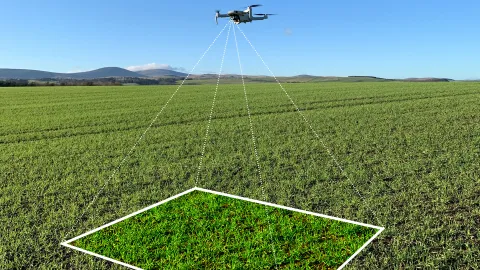
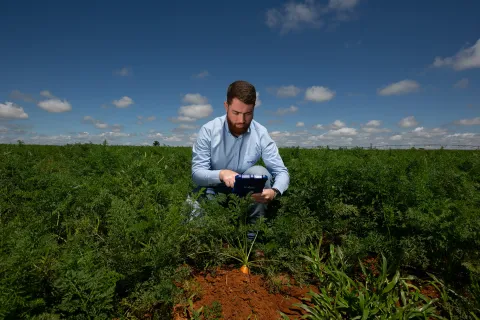
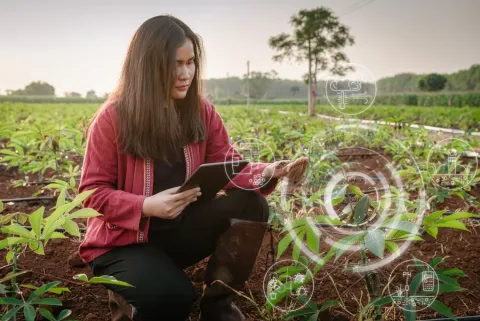
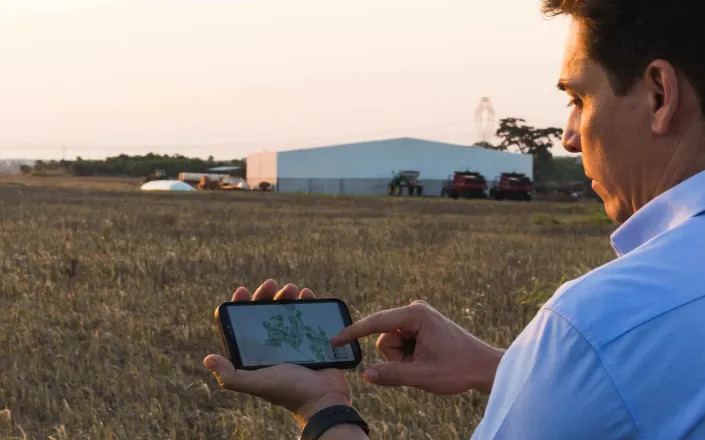
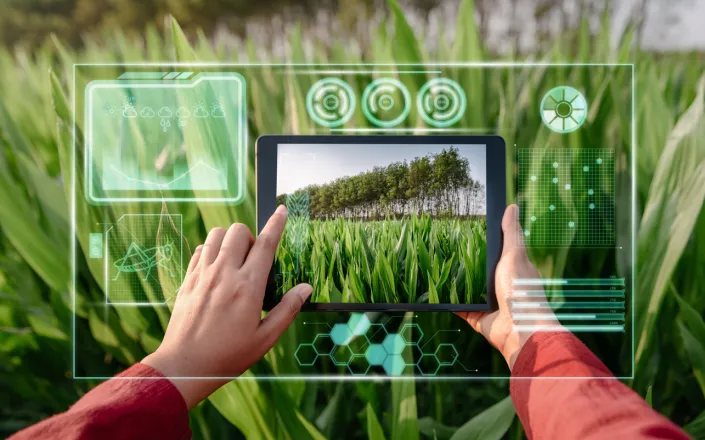
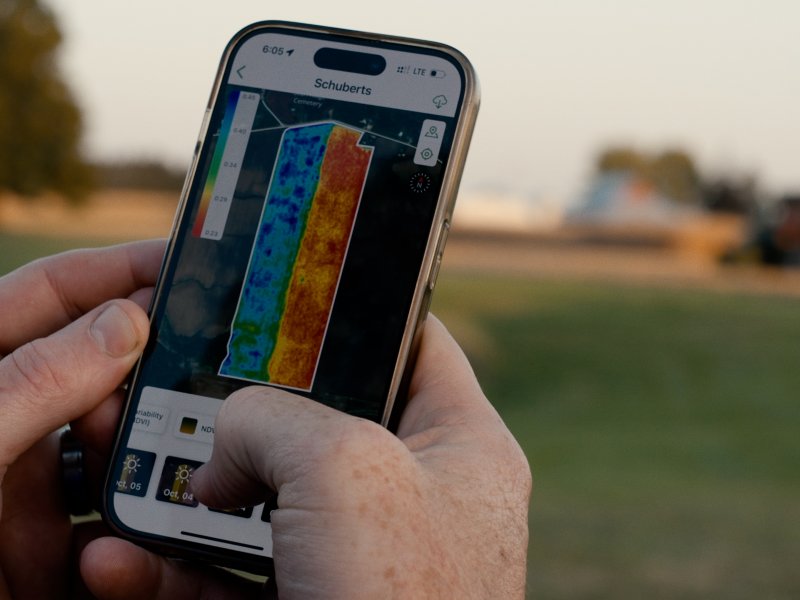
Digital technologies, including artificial intelligence (AI), GPS, sensors, and data analytics, give farmers advance warning of changing growing conditions, alongside leaf-level insights into their crops, so they can make better decisions about how they care for their crops.
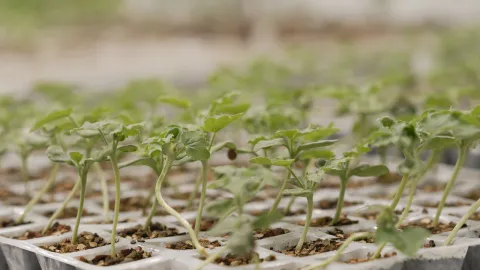
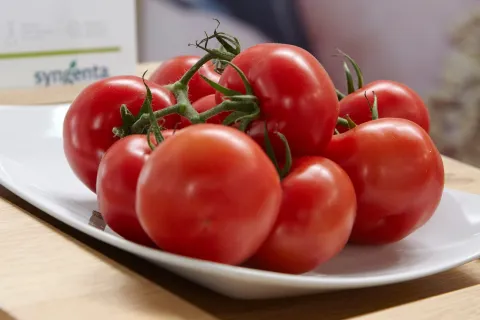
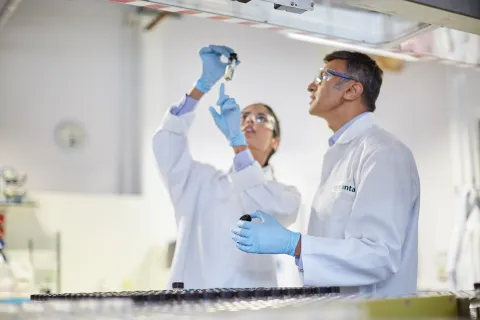
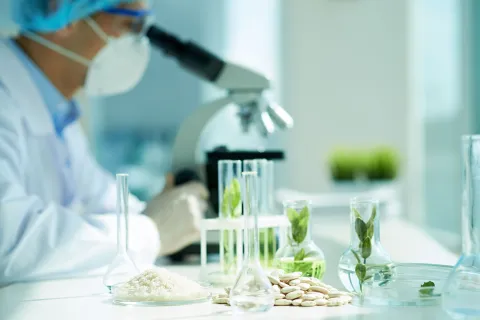
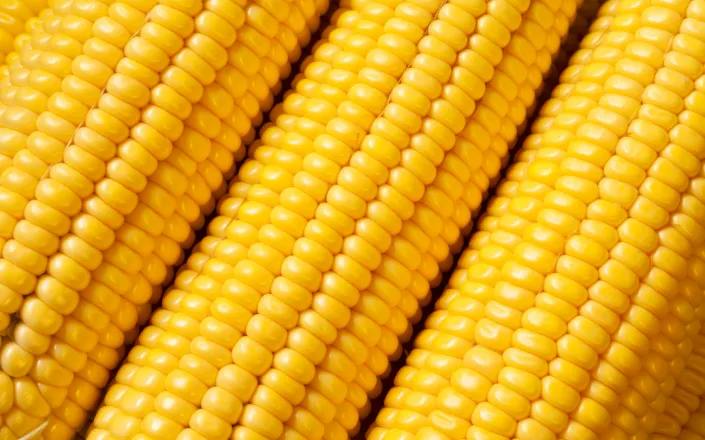
In the lab, innovative biotechnologies, like Syngenta’s Enogen corn, are the core of our agricultural solutions, supporting farmers to grow healthy, resilient yields.
How does agricultural technology impact farming productivity and sustainability?
For centuries, agricultural technology, and the precision it can deliver, has helped farmers to be more precise, while minimizing their environmental impact. Modern technology means growers can supercharge these efforts.
How can AI help with farming?
Fed with huge amounts of historical data, predictive performance analytics use AI and machine learning to anticipate future events. It can also forecast soil conditions, crop growth, and yield potential, so growers can be smarter about what they plant, when.
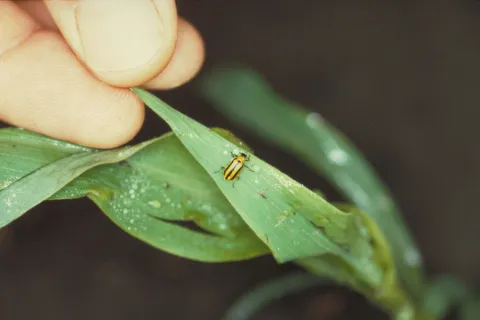
And it gives farmers real-time information on disease outbreaks and pest infestations, so they can apply treatments precisely.
Image
How are agricultural robots used in agriculture today?
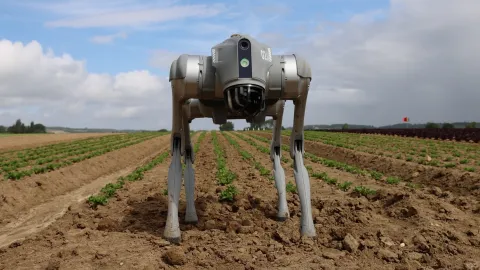
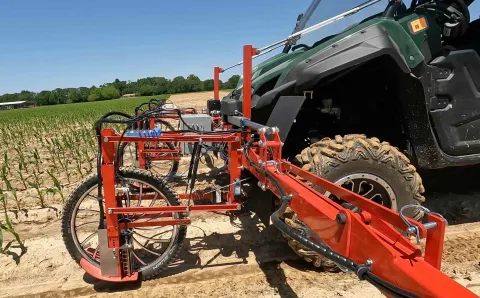
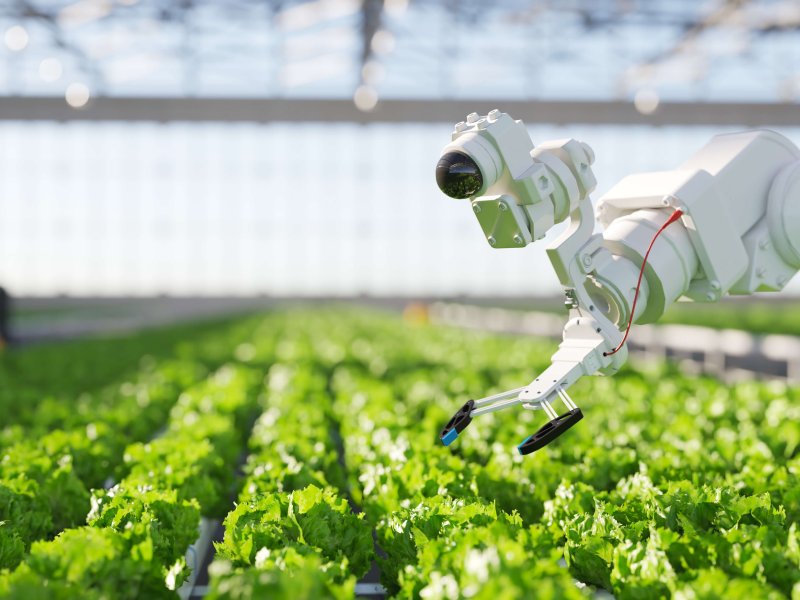
As agriculture faces a raft of challenges, agricultural robots are becoming an important part of the shift towards smarter, more productive sustainable farming. They are being developed and used for tasks such as weeding, crop monitoring, pest and disease management, spraying, planting, and harvesting.
Image
Best in class Biotechnology & genetics Ag automation & robotics Data-driven solutions
Want to learn more about agricultural technology? Click through our stories below: