

The technologies helping essential crops tackle punishing heat and drought
The relentless heatwaves baking Europe have wiped billions from this year’s grain harvest. As farmers across the continent struggle to grow desperately parched plants, could crop protection products boost drought resilience?
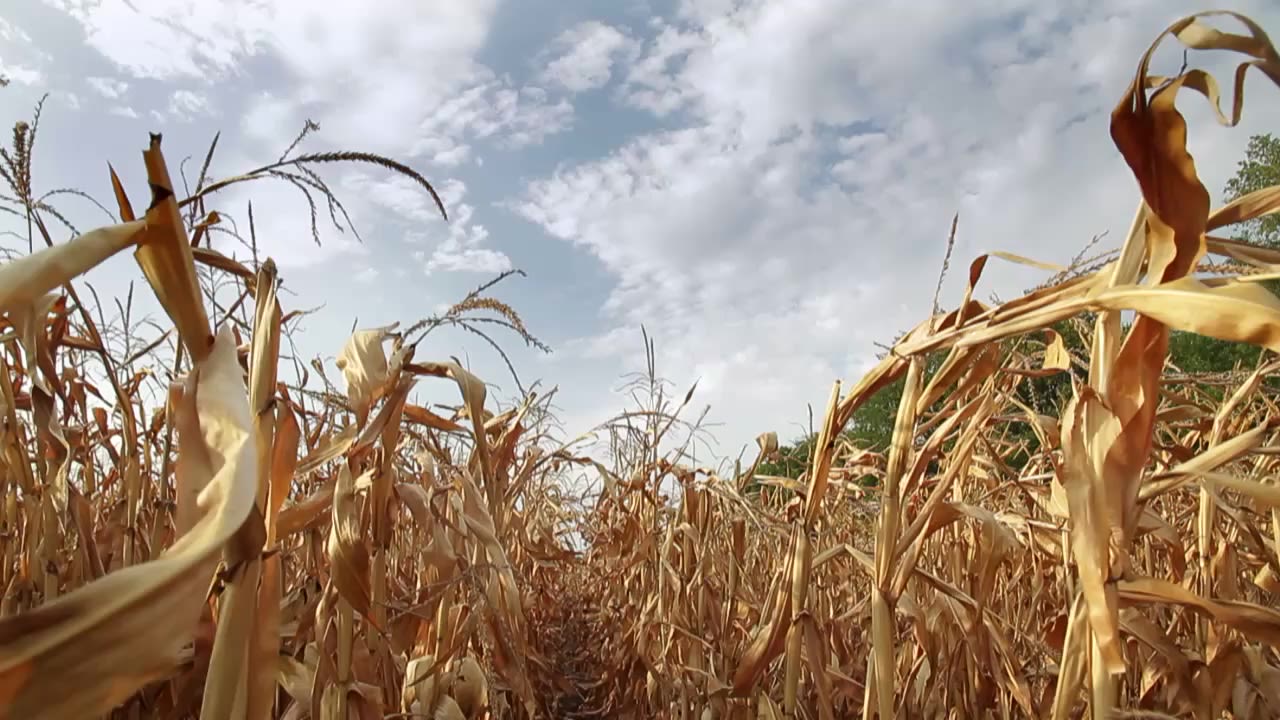
It’s been a record-breaking summer for Europe – one that has tested farmers’ resolve as heat stress, drought, and unpredictable conditions destroy entire harvests.
In some areas, it is simply too hot for crops to grow well, or at all. Heat stress - when a plant is exposed to temperatures that are too hot, for too long - slows crop growth, stunting yields and shortening harvest windows. Drought conditions, meanwhile, switch the plant’s water supply off. Plants need water to take up the nutrients they need from the soil to grow. But droughts cause soils to dry out, harden, and crack – trapping these nutrients. No water means no growth.
New technologies are allowing crops to better withstand stresses such as drought.
New technologies are allowing crops to better withstand stresses such as drought.
The heat has ravaged grain crops across Europe and the United Kingdom. Farmers lost an estimated €2 billion in earnings in June's heatwave alone, with nine million tonnes of crops wiped out - and more hot weather is forecast. As the drought worsens, farmers in the EU member states and the UK are expected to record their smallest harvest since 2018.
How can farmers protect their crops during soaring temperatures?
Crop protection products can boost plant resilience in drought conditions by ensuring they lose less water when experiencing heat stress.
Despite drought conditions, Syngenta’s SOLATENOL® technology and ADEPIDYN® technologies have been shown to help plants maintain the precious water they need to grow.
Tyler Harp, Fungicide Technical Manager at Syngenta Crop Protection, explains: “We have observed that certain classes of fungicides can help preserve yield in the presence of not only biotic stress caused by pathogens, but also abiotic stress from environmental conditions like heat or drought.
Corn growing in drought conditions cannot reach its full potential - the stunted growth and empty kernels in this ear are a tell-tale sign of drought stress.
Corn growing in drought conditions cannot reach its full potential - the stunted growth and empty kernels in this ear are a tell-tale sign of drought stress.
“The ability of these ‘plant health’ fungicides to minimize water vapor loss and improve water and nutrient-use efficiency helps crops increase their ability to withstand stress and maximize their yield potential.”
The findings, from a 2017 study published in the journal of Pest Management Science, confirm what Syngenta’s agronomists have seen firsthand in corn, soya and wheat fields around the world. And what farmers have seen in their crops: that water scarcity, or drought, doesn’t automatically result in crop failure.
What did the research find?
Over a three-year study, scientists tested how wheat crops treated with certain technologies in crop protection products – in this case, Syngenta’s SOLATENOL® technology and ADEPIDYN® technology – responded to drought conditions.
They kept a close eye on the plant’s transpiration rate, or the speed at which its leaves lost water.
Like humans who cool themselves through sweating, plants rely on transpiration as their primary cooling mechanism. However, excessive water loss can be fatal. When plants lose more water than they take in, growth stops. Ultimately, dehydration can kill them.
But the scientists in this study discovered that crops treated with these technologies lost less water in drought conditions than those that weren’t and were able to maintain good photosynthesis activity.
Within one day, the transpiration rate was down 5.7 percent in the treated plants. By day three, the effect strengthened to 7.3 percent lower transpiration. This was still the case for a further three days.
Because the treated wheat lost less water, it was able to better withstand drought conditions – growing healthier and stronger. The yields of these treated plants improved by 5.2 percent. These benefits are known as secondary effects of the products, as they are positive side effects of those technologies.

Corn crops untreated (first picture) compared to corn crops treated (second picture) with products containing ADEPIDYN® technology.
Corn crops untreated (first picture) compared to corn crops treated (second picture) with products containing ADEPIDYN® technology.

Corn crops untreated (first picture) compared to corn crops treated (second picture) with products containing ADEPIDYN® technology.
Corn crops untreated (first picture) compared to corn crops treated (second picture) with products containing ADEPIDYN® technology.
What does it mean for farmers?
It means they have another backup in their toolkit. Not only do these technologies help plants to grow better, despite pest and disease threats, they also lose less of the precious water they need in times of drought.
In fields around the world, growers have seen this in their crops, even as drought growing conditions become more severe and prolonged.
That’s because if plants can be more efficient in their water use after these products are applied, they can also utilize essential nutrients, including nitrogen, Harp says.
“As crops are better able to manage and conserve water, this ensures a more efficient plant that can maintain longer periods of active energy production that translates into higher yields.”
Although farmers cannot control weather conditions, they can choose how they respond to them. By choosing evidence-backed products, growers can continue to grow enough food to feed the world’s growing population – even in drought conditions.
