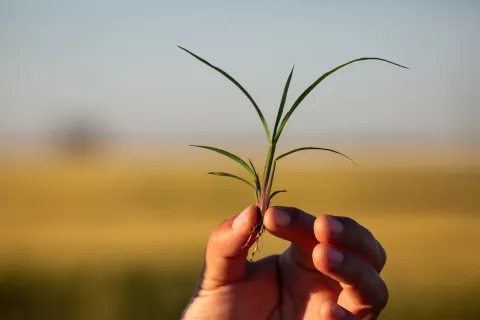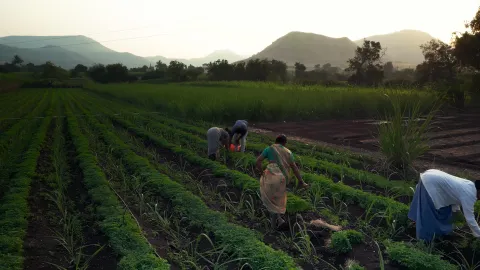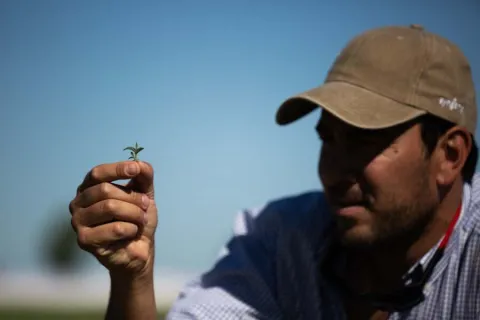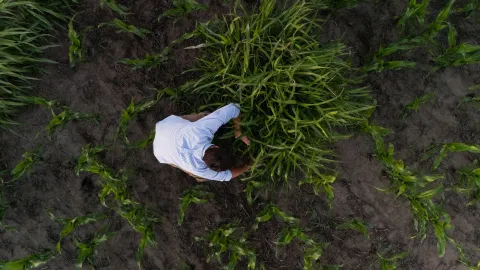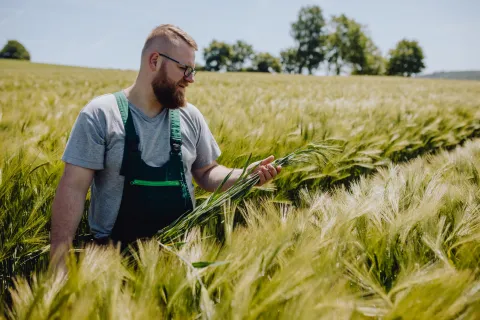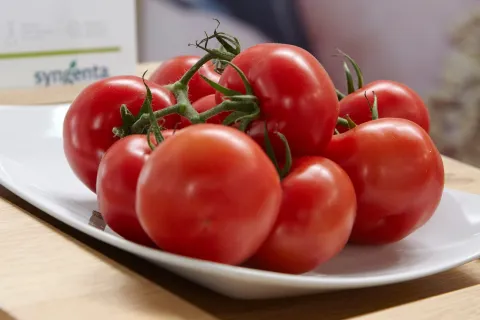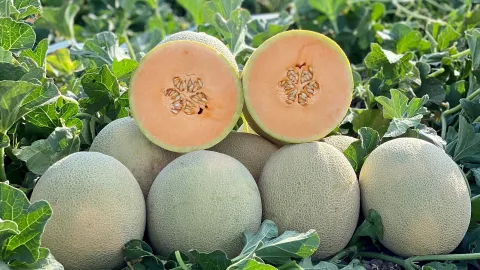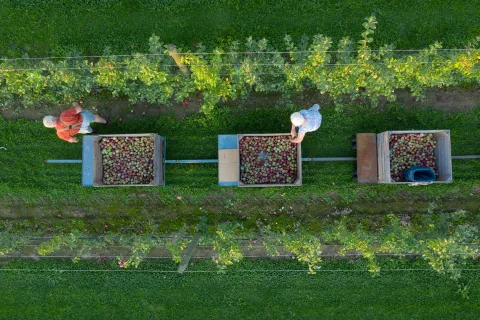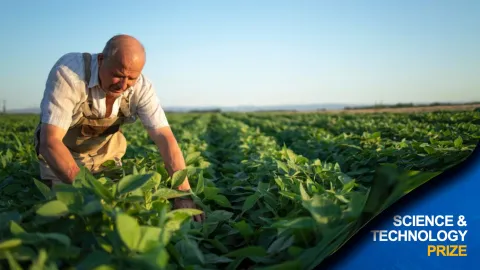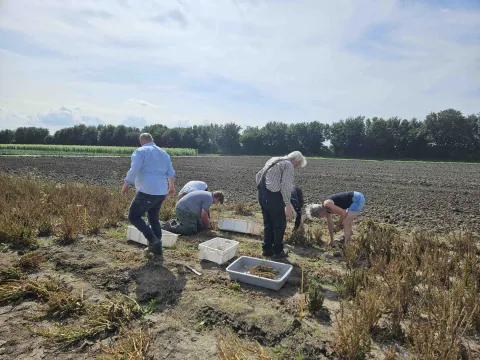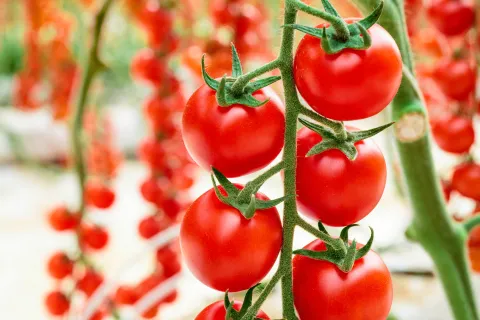
Crop production is the reason we all have enough food to eat.
It covers all aspects of growing and storing food, including soil preparation.
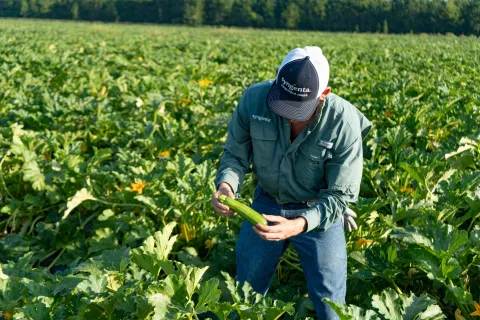
At Syngenta, we support farmers through every single stage of crop production: from vegetable breeding breakthroughs, to providing yield-boosting solutions and crop protection products.
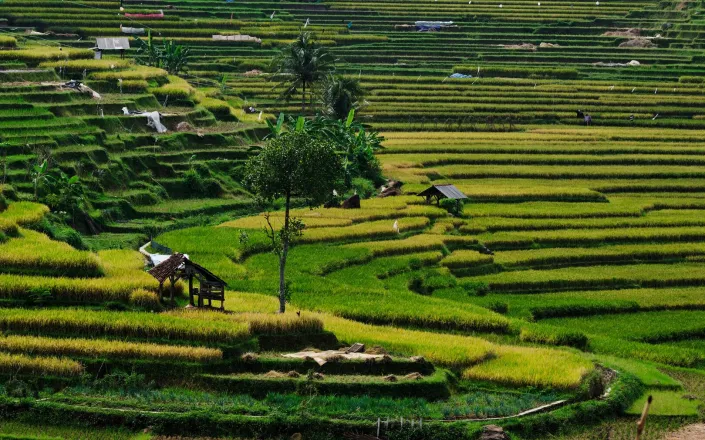
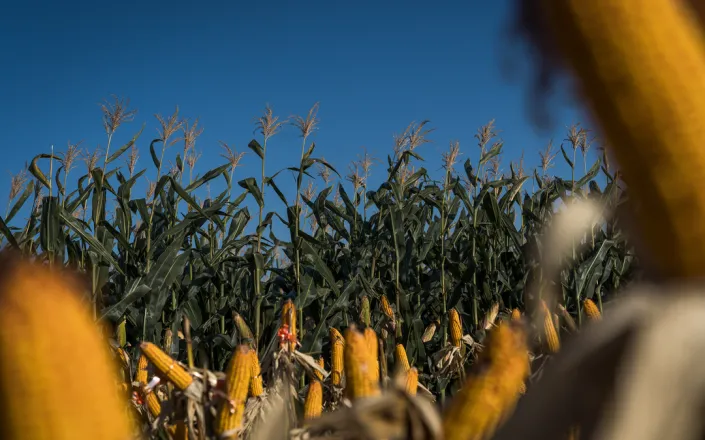
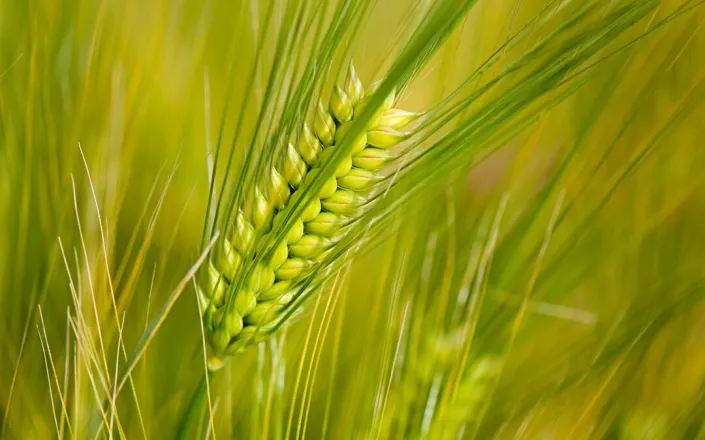
Crops are cultivated for multiple purposes. Not only are they grown for food, but they are also used for animal feed, biofuels, textiles, and pharmaceuticals.
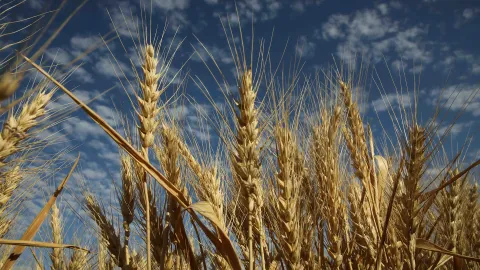
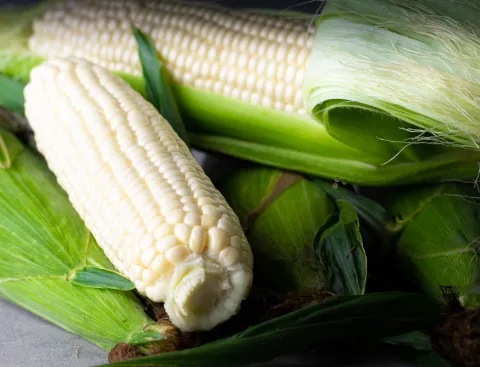
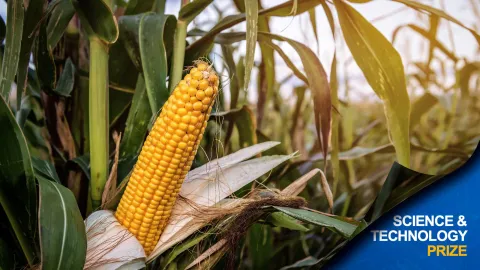
If we focus on human consumption, just 10 global crops provide more than 80 percent of all harvested food calories around the world. These include maize (corn), wheat, rice, soybean, and sorghum.
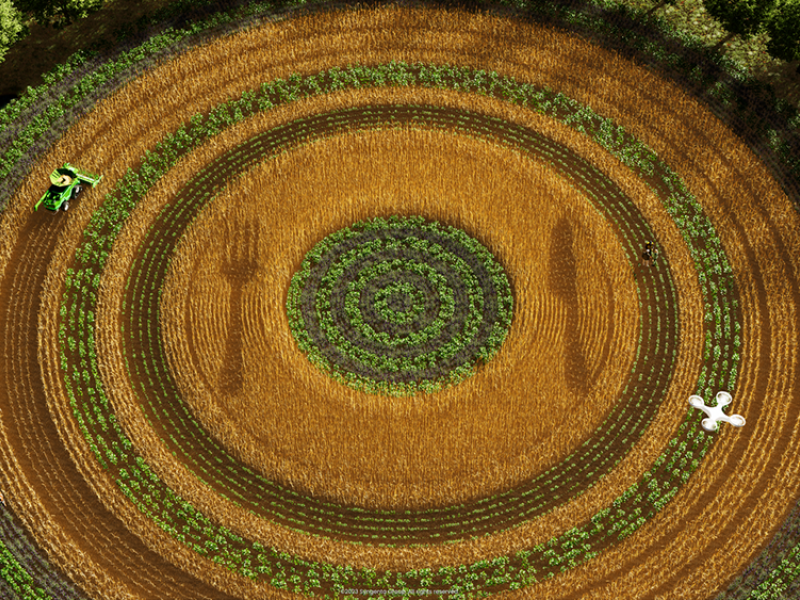
What are the benefits of regenerative agriculture practices?
Overall, these practices holistically improve all aspects of growing and harvesting crops, with less environmental impact. Benefits of regenerative agriculture methods include, protecting and enriching soils, supporting biodiversity, curbing emissions, and weed suppression.
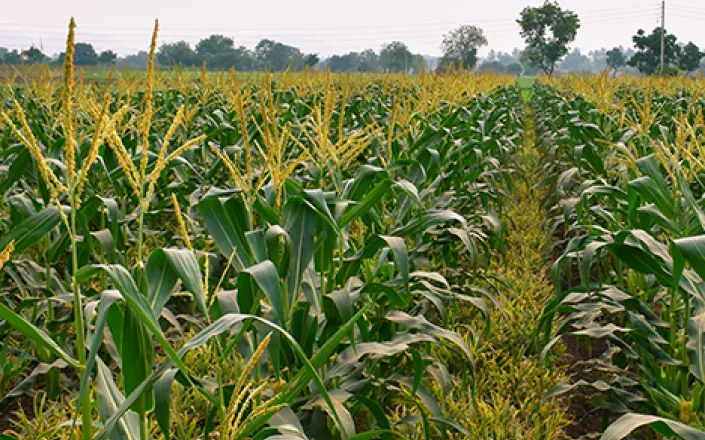
Farming techniques
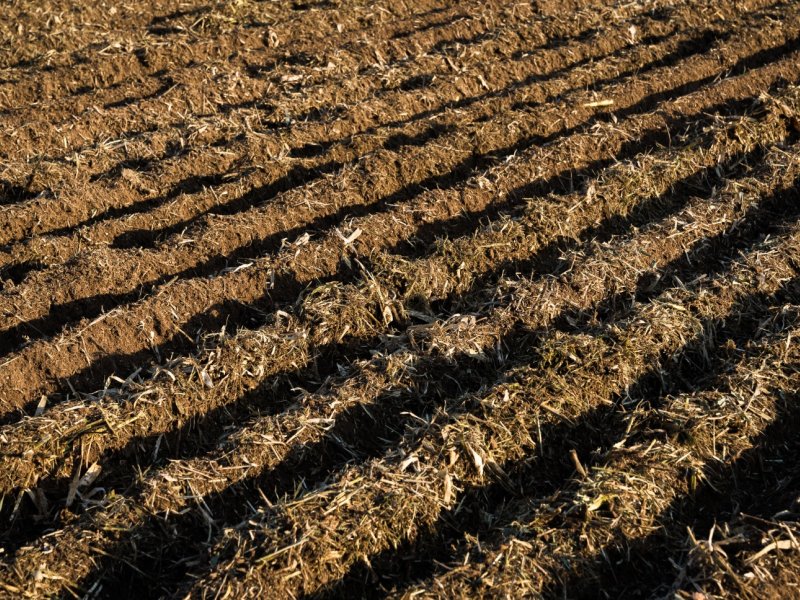
No-till farming
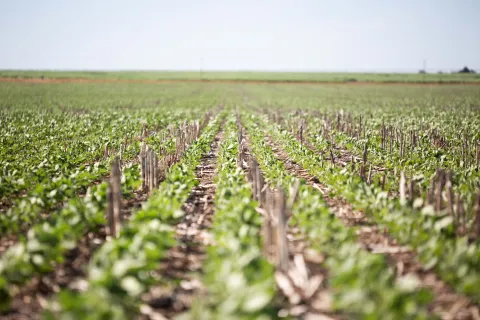
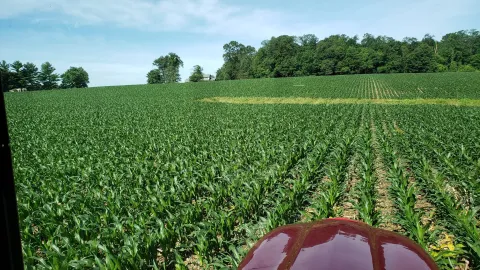
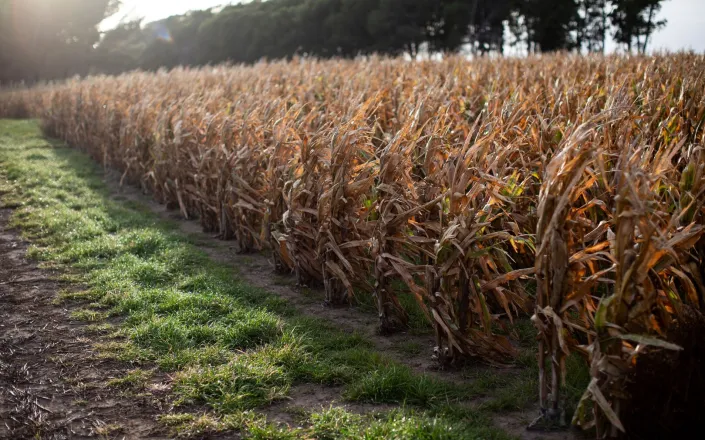
In no-till farming, seeds are planted directly into the old crop residue without ploughing, helping soil keep its structure, water, and nutrients.
Image
What are the common pests and how can we naturally prevent them?
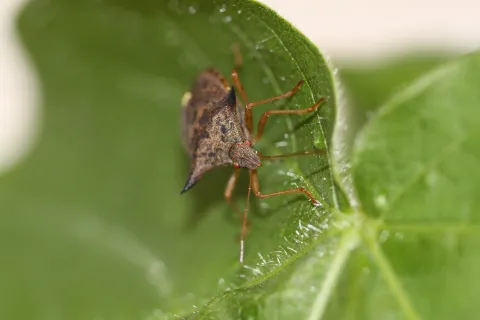
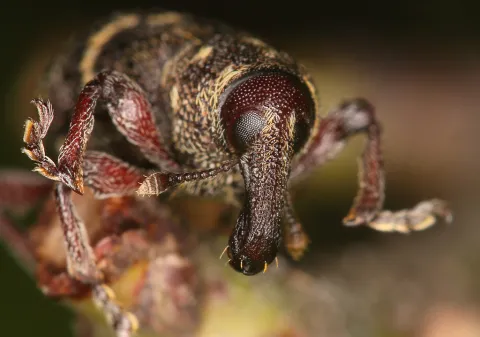
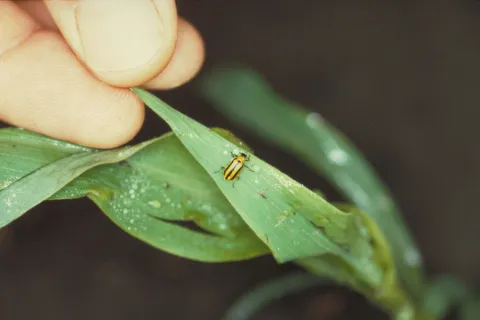
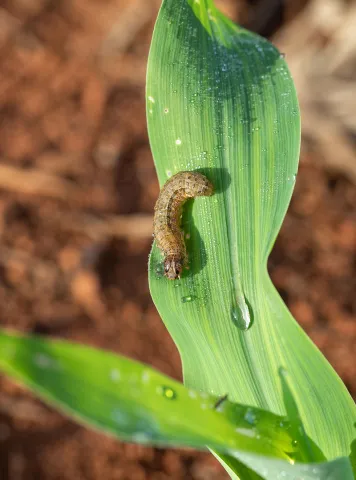
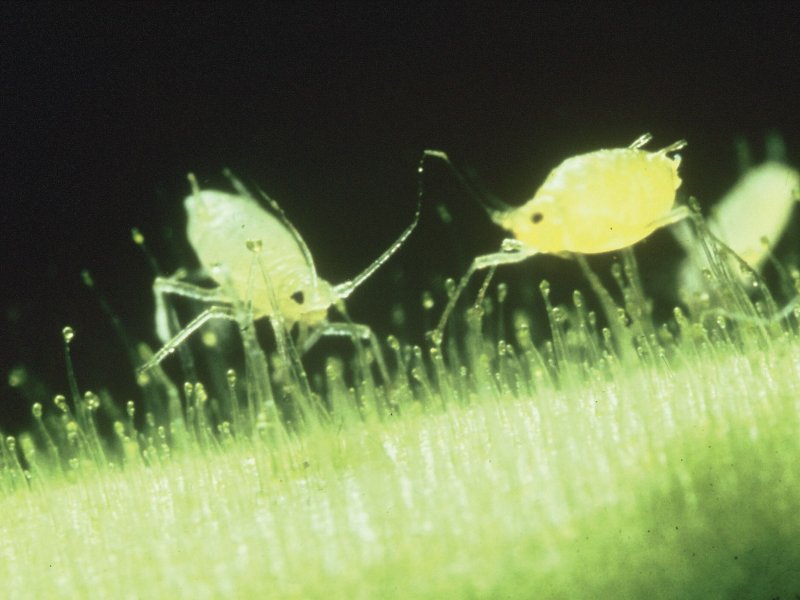
What is a common pest threat for a farmer depends on their location, environment, and crop type. Growers around the world will be familiar with aphids, Corn Earworm, armyworms, and parasitic nematodes.
But by introducing natural enemies, closely managing crop rotations, and planting pest-resistant crop varieties, farmers can help nature to fight back.
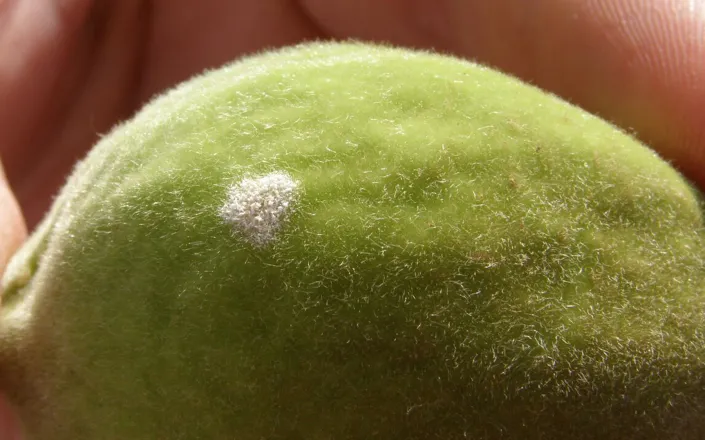
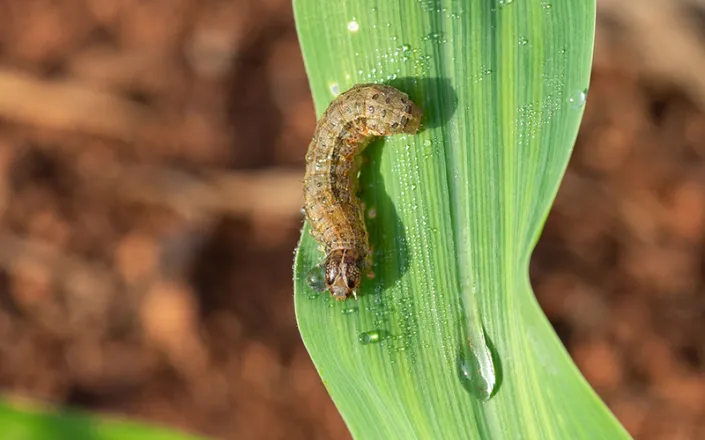
Pest management
How to get rid of aphids?
From spotting the symptoms to understanding which crops are most at risk, as well as tips for control, here’s everything you need to know about keeping your harvests protected from aphid damage.
Image
Protecting plants with Agricultural practices Crop insights Pest & disease control
Want to learn more about crop production? Read through our specialist stories: