

Trialing the traits of tomorrow
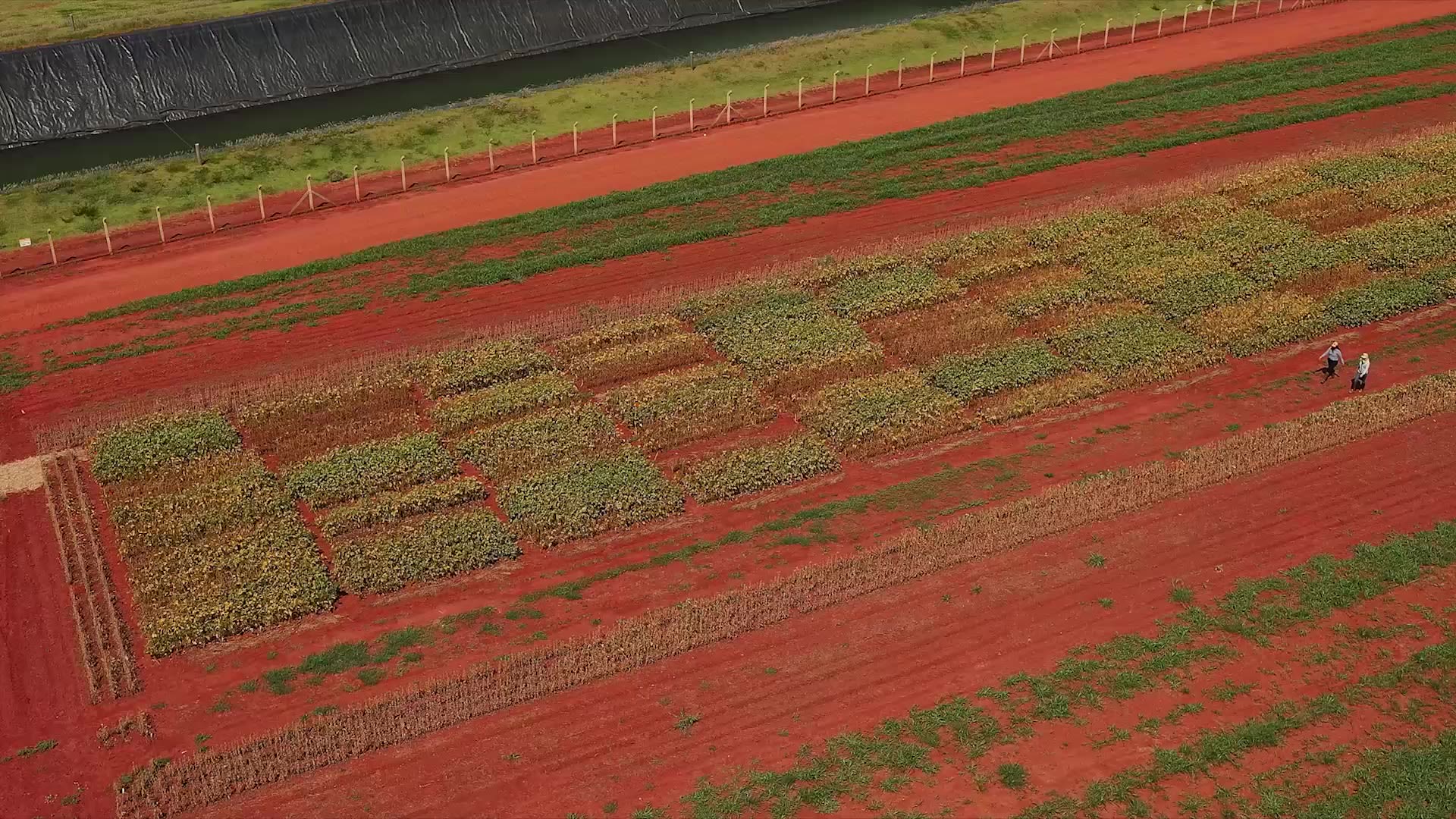

From the lab to the soybean field – how Syngenta is building in genetic protection against disease to one of the world's most crucial crops.
In Brazil, the climate means that many crops thrive, including soybeans. In fact, when it comes to soybeans, Brazil is the world’s leading producer and exporter. Across the country you’ll find thousands of hectares, flourishing every season. But these plants are also vulnerable.
Every year, farmers must cope with the challenges of the weather. But diseases can rip through fields and decimate harvests. One of the most serious threats is Asian Soybean Rust (ASR). This airborne fungal disease is spread by the wind, falling onto fields and causing lesions, yellow leaves and defoliation. A serious infection can cause farmers devastating losses of up to 80 percent.

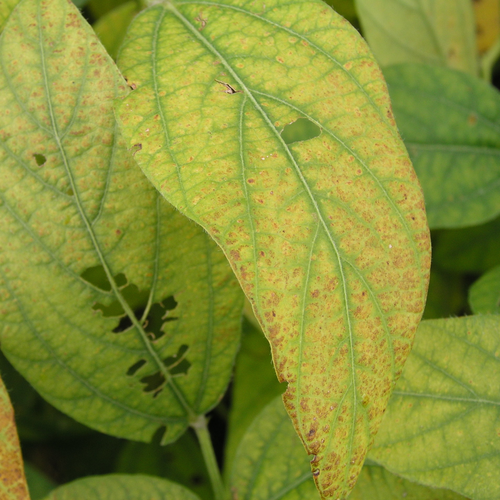
Asian Soybean Rust is spread by the wind, falling onto fields and causing lesions, yellow leaves and defoliation.
Asian Soybean Rust is spread by the wind, falling onto fields and causing lesions, yellow leaves and defoliation.


Marcella Viana, Syngenta plant pathologist.
Marcella Viana, Syngenta plant pathologist.
Marcella Viana is a Syngenta plant pathologist and expert on soybean diseases. She says: “When ASR first entered Brazil in 2001, it was very destructive, but in the last five years or so farmers have more knowledge about the disease and seek to control it with fungicide applications.”
However, this doesn’t eliminate the risk: “There is always a danger of the pathogen adapting and we know there are some reports of pathogens delivering resistance to current control methods so it’s vital to find new ways of protecting soybeans,” Marcella says.
One of the most effective ways of achieving this is by improving a plant’s resistance to disease at the genetic level. This is behind Genotype Independent Fast Transformation (GiFT for short), a Syngenta genome editing technique for boosting the genetics of soybeans with positive traits like disease resistance.

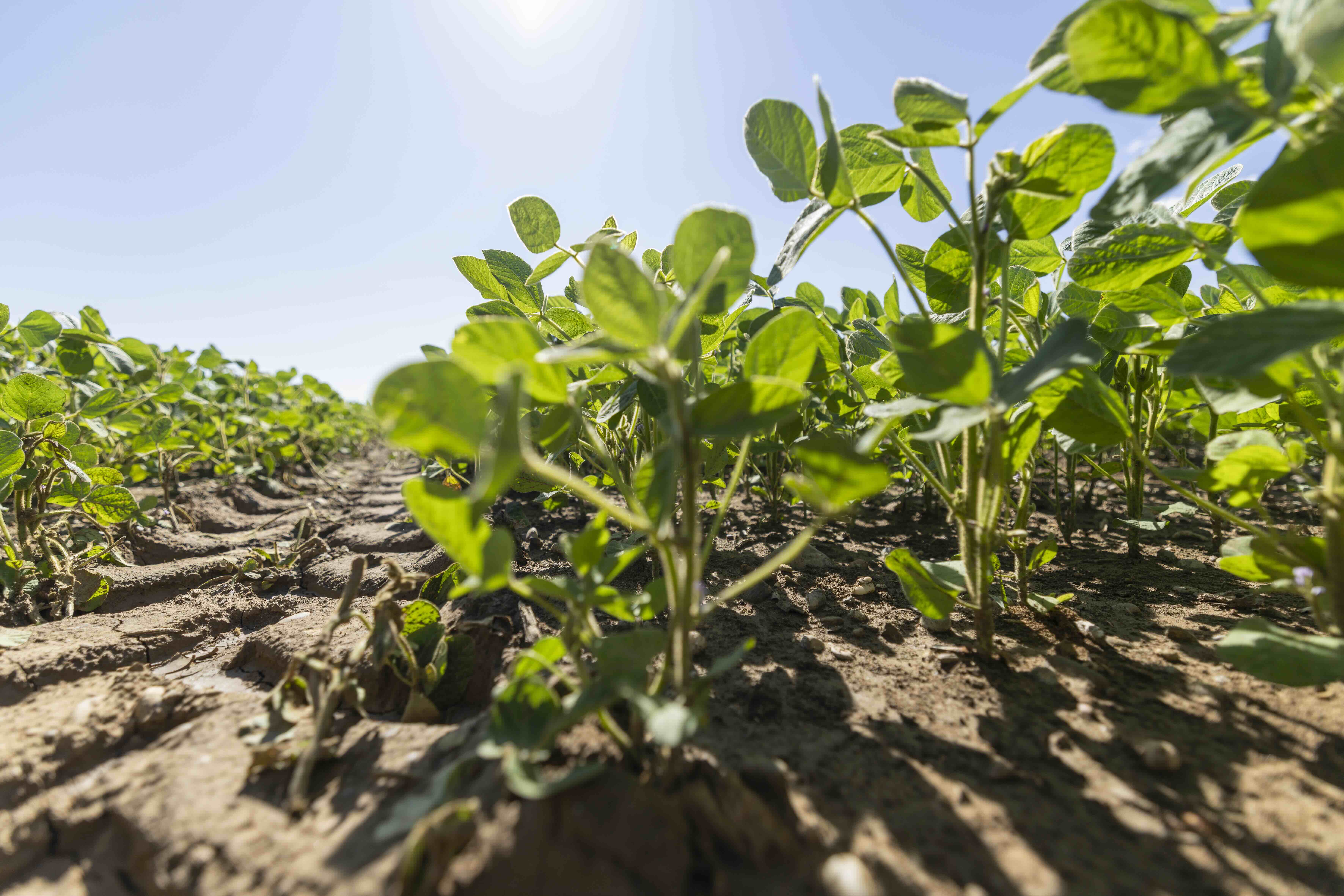
Protecting farmers across Brazil
Using the GiFT technique allows scientists to introduce a new trait into a plant's genetics, resulting in positive characteristics like better disease resistance. However, often a single trait isn't enough, so using multiple traits in the plant’s DNA gives a better chance of maintaining resistance to disease for longer.
Once new traits have been introduced, the next step is crucial: getting them into the field for testing to see how they perform in real-world conditions.


Kian Eghrari, Syngenta’s Trait Evaluation Lead for Brazil.
Kian Eghrari, Syngenta’s Trait Evaluation Lead for Brazil.
Kian Eghrari is Syngenta’s Trait Evaluation Lead for Brazil. Once a new trait or trait stack has been developed in lab conditions, it finds its way to his team to test out on the ground.
He says: “Brazil is such a large country, so we test across multiple environments to ensure that each new trait performs well across different environments, different weather patterns and different soils.”

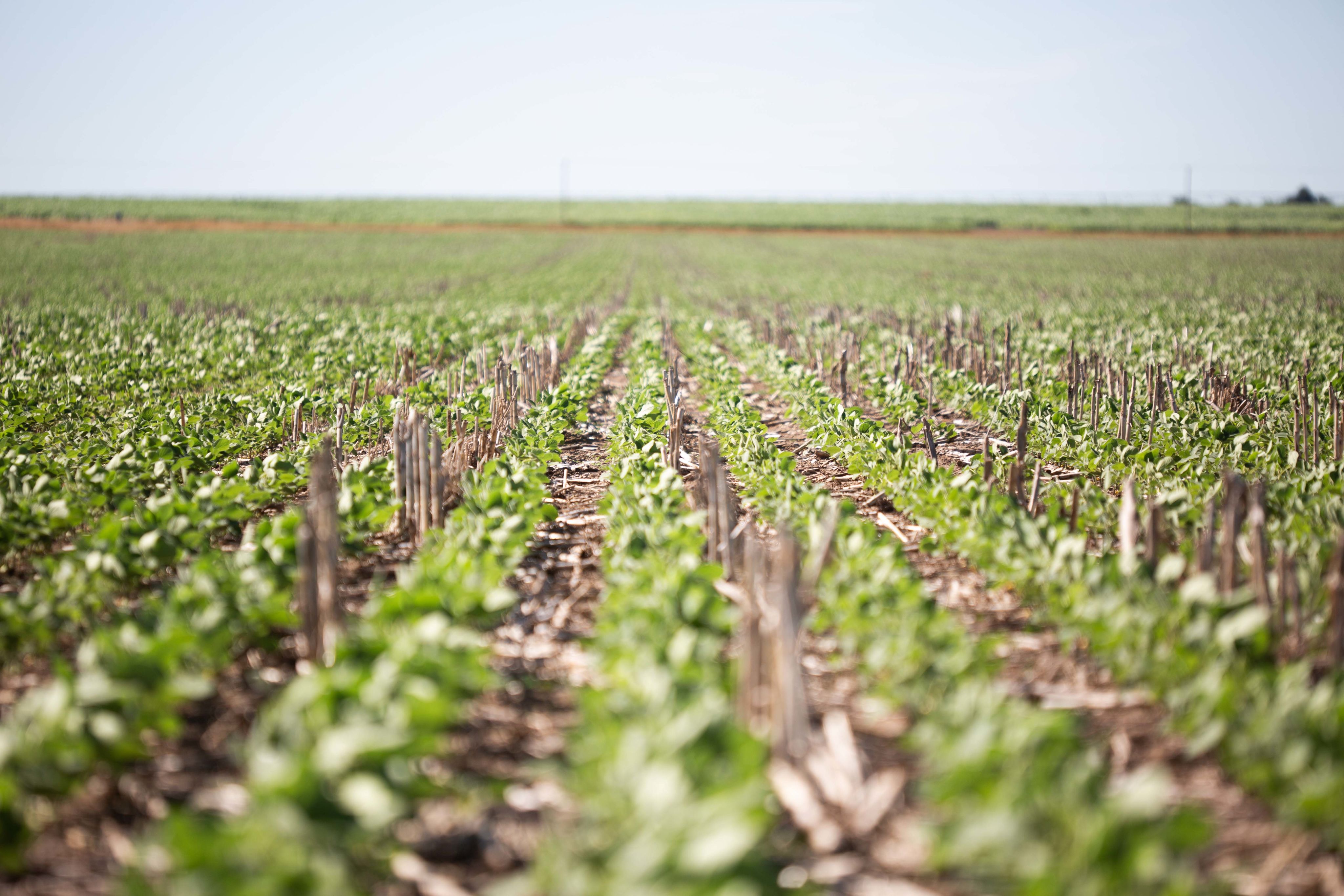
Soybeans are an essential crop but remain vulnerable to diseases that can spread quickly and ruin harvests.
Soybeans are an essential crop but remain vulnerable to diseases that can spread quickly and ruin harvests.
There are multiple trialing sites in operation across the country, sometimes more than 500 kilometres apart. These sites are where real-world performance data about different traits, genetics and environment interactions are gathered, ensuring that only the most productive and strongest soybeans end up in the hands of farmers.
An innovative approach
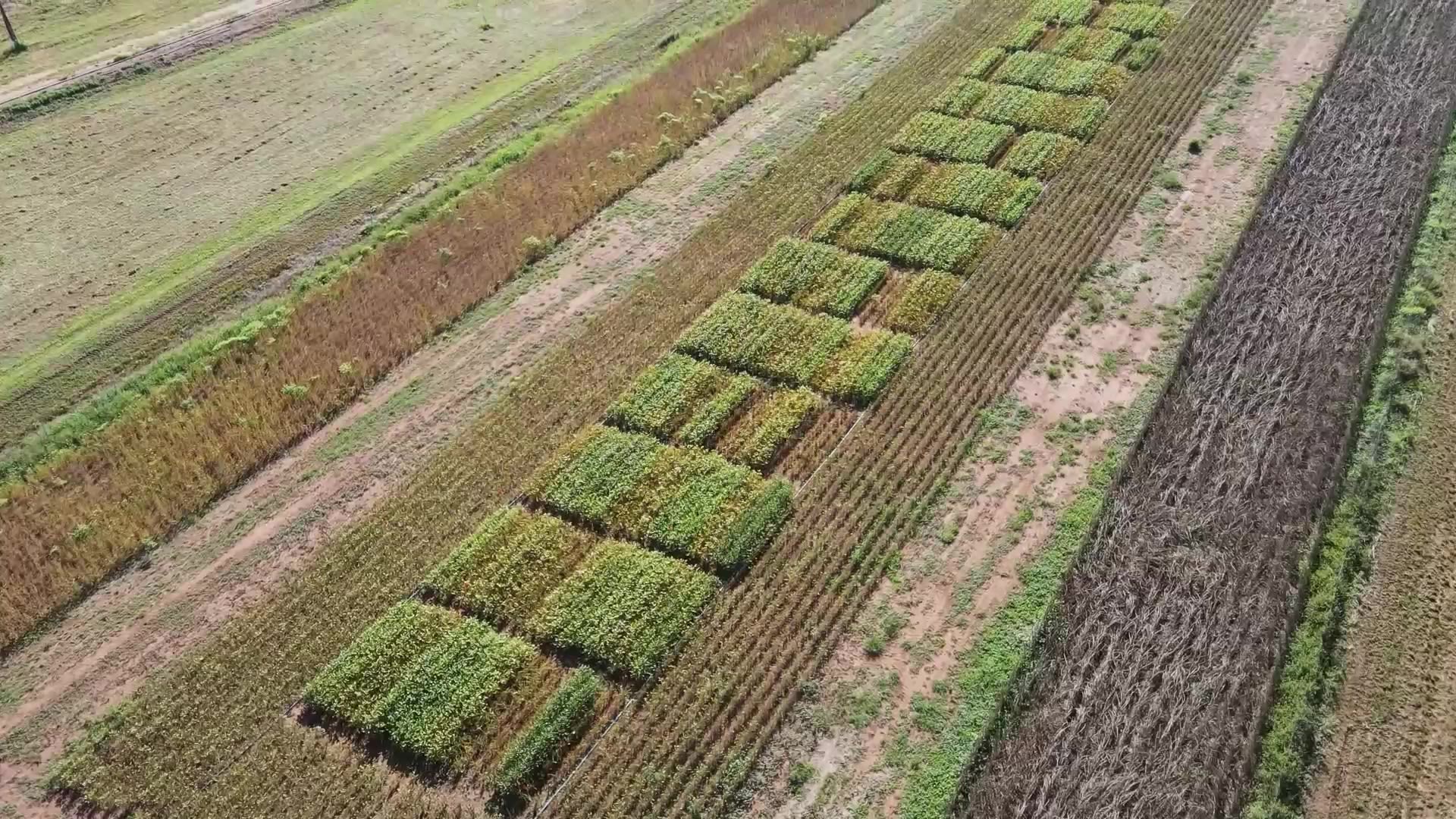

It isn’t just about the yield performance either – after all, conditions don’t impact the plant but also the disease which threatens them.
As Marcella explains: “ASR is caused by a biotrophic fungus, and this disease is heavily influenced by the weather. In the warmer, southern parts of Brazil the disease can progress more quickly than in the north. This is another reason we need to test in the different regions of the country, to see how traits perform against different disease populations.”
When spores land on a plant, they infect it, form lesions, and start feeding on the plant. Just a single lesion can contain millions of spores meaning that an infection can multiply exponentially.
When a plant carries resistance traits, it recognizes the fungus as a threat and attacks it, causing distinctive small dark marks on the leaves.

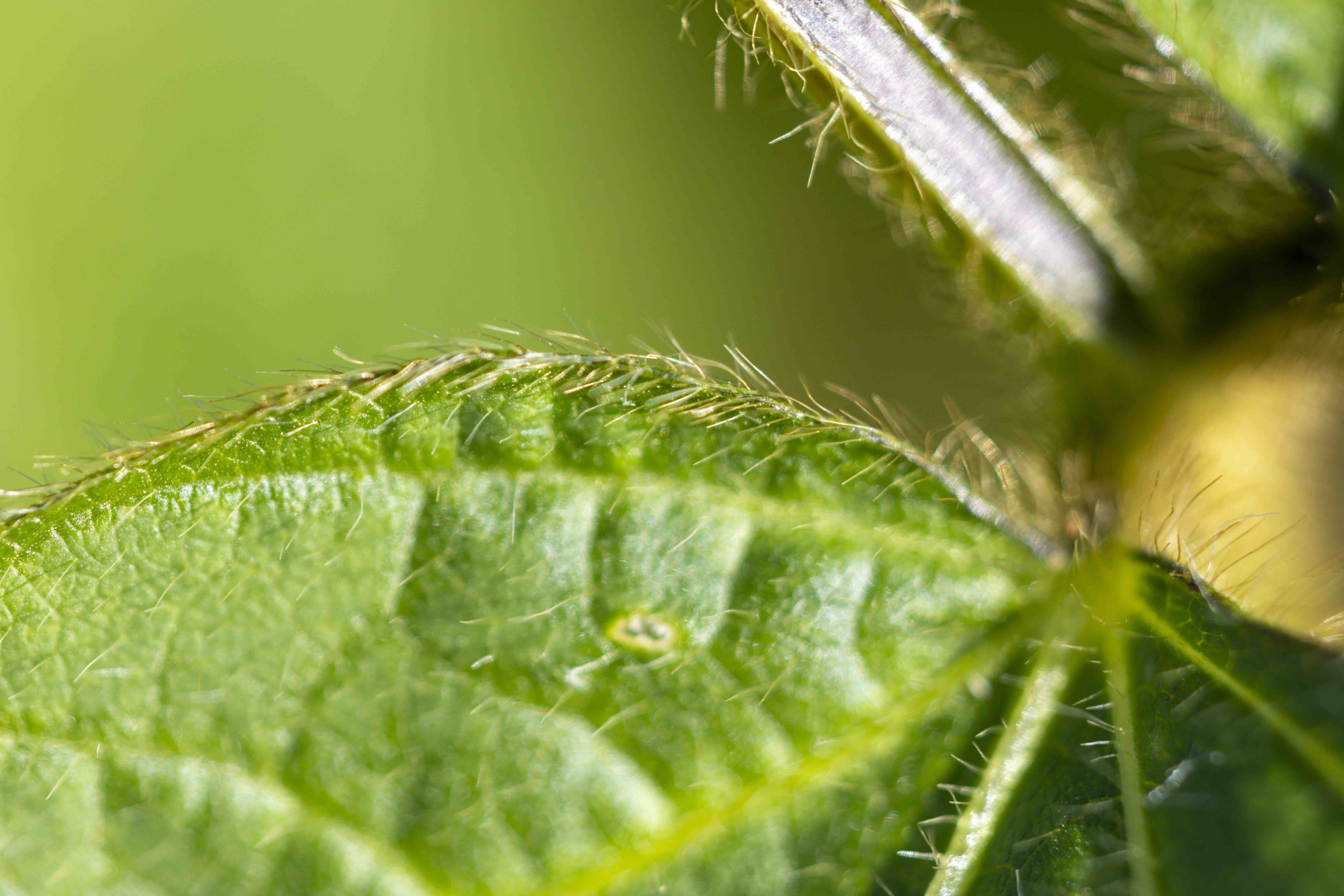
Marcella says: “The quicker the recognition of the threat, the less chance it can spread and the better the resistance. This is what we we’re working towards.”
Mauricio Sanches, Product Placement Lead for Brazil, explains what this can mean for farmers: “A rust-resistant soybean changes the game. With this technology, it becomes possible to expand the technical positioning of the crop into areas historically associated with greater risk of disease. Regions that previously required intensive and costly management can now be explored with greater safety and efficiency.”
Given the variations in environment, disease pressures and farmer needs, trialing is a constant balancing act between the need to generate better resistance while boosting productivity at the same time.
It’s only through the close links between the lab and the field that the best performing new traits can be developed and brought to growers as quickly and efficiently as possible.
Getting the best soybeans to farmers depends on innovation in plant genetics and a large-scale trialing program in real-world conditions.
Getting the best soybeans to farmers depends on innovation in plant genetics and a large-scale trialing program in real-world conditions.
Ultimately, managing a complex, ever-evolving disease threat to soybeans requires both scientific precision and testing at scale. This vast trialing operation isn’t solely focused on finding new high performing traits, it’s also about testing and developing an agronomic platform that combines genetic resistance to disease with cutting-edge crop protection.
Marcella says: “It’s a unique collaboration. We’re trialing the new traits we’re developing alongside crop protection to see what combinations of both chemistry and genetics will give the best disease resistance.”
The advantage of this is it means that not only do plants benefit from genetic protection, but there’s also a lower chance of the disease developing resistance to fungicides.
The future of soybeans depends upon this team approach of genetics, crop protection and agronomic excellence all working together. Thanks to Syngenta scientists and researchers, this is already being tested out in the fields.