

Helping forests thrive
Tackling one of commercial forestry's most devastating pests
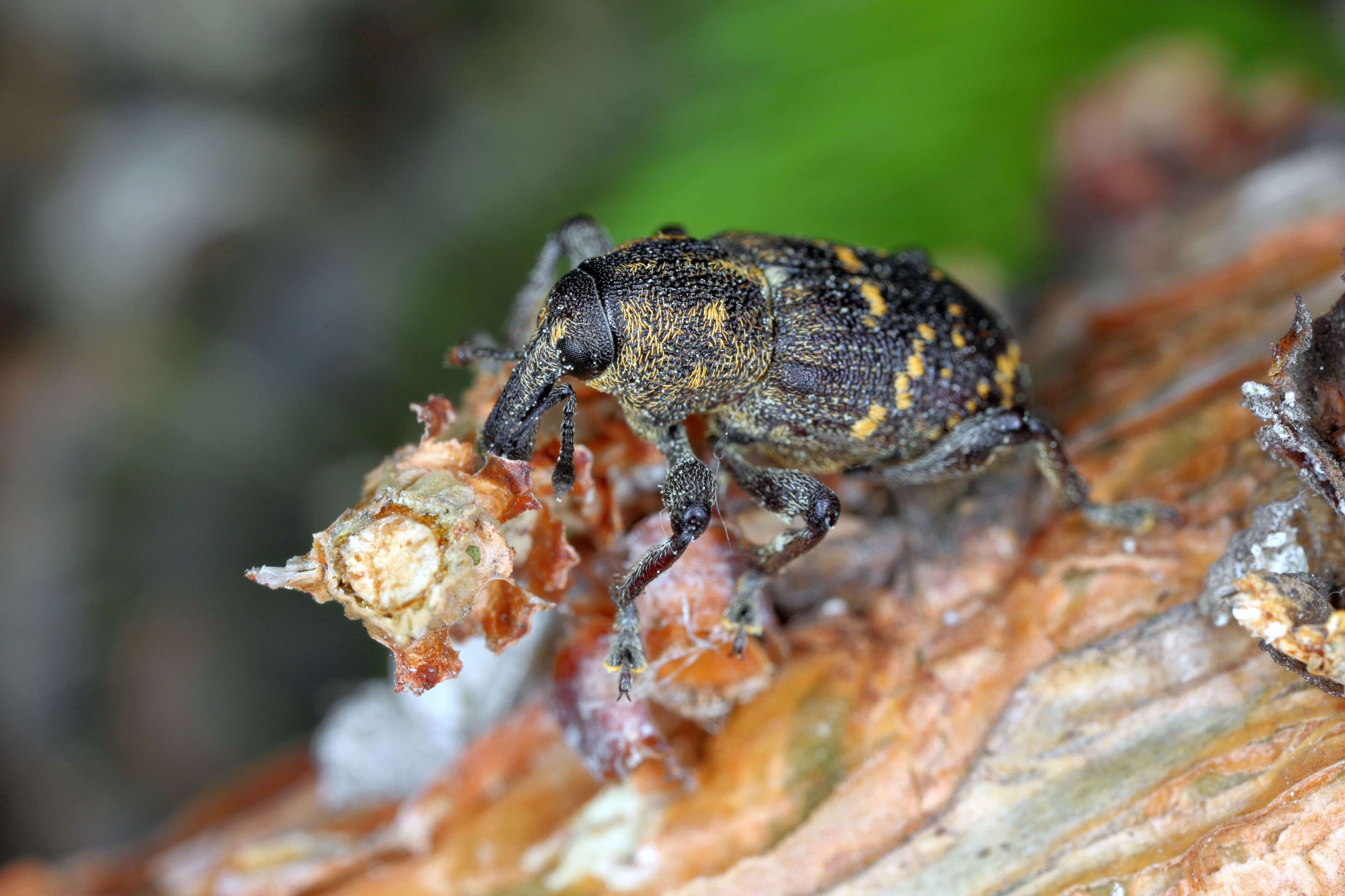


It might be small but it's one of the biggest threats to forestry across Europe - meet the large pine weevil.
They chew through a tree’s delicate bark, leaving it vulnerable to the elements, insects and animals.
No bigger than a fingernail, the large pine weevil is found in forests across Europe, feeding on its favourite food, the Sitka spruce. While mature trees can cope with this unwelcome visitor, saplings are particularly at risk.

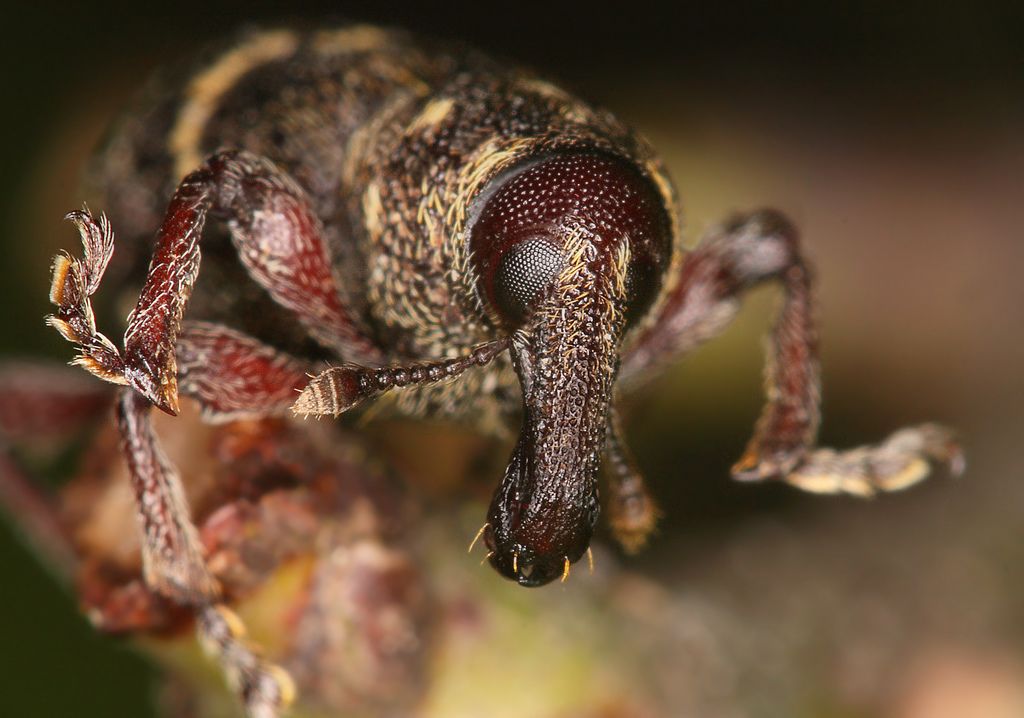
The pine weevil represents a huge threat to the 35 million young saplings planted in the UK every year.
The pine weevil represents a huge threat to the 35 million young saplings planted in the UK every year.
In the UK alone, some 35 million young Sitka trees are planted each year. That’s according to the Confederation of Forest Industries (Confor), making it the country’s third largest single crop area - behind wheat and barley. And the cost of large pine weevil damage is significant, reckoned at around £5 million per year.

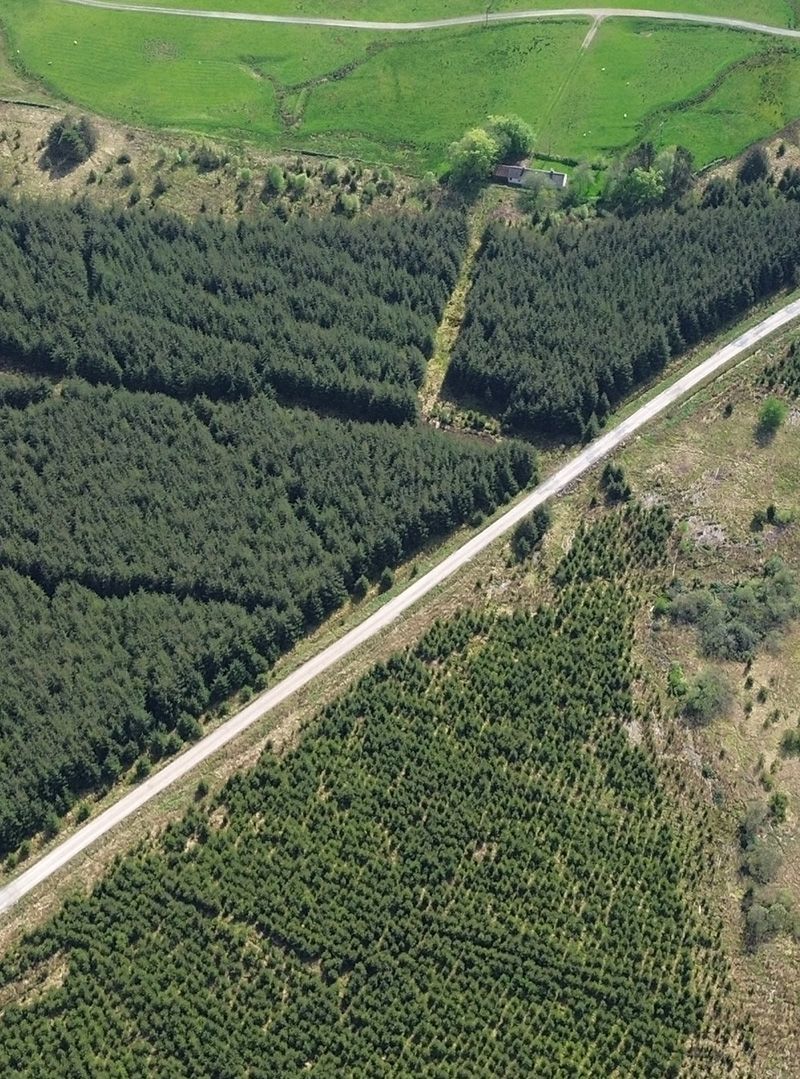
Commercial forestry requires a delicate balance to keep trees healthy and productive.
Commercial forestry requires a delicate balance to keep trees healthy and productive.
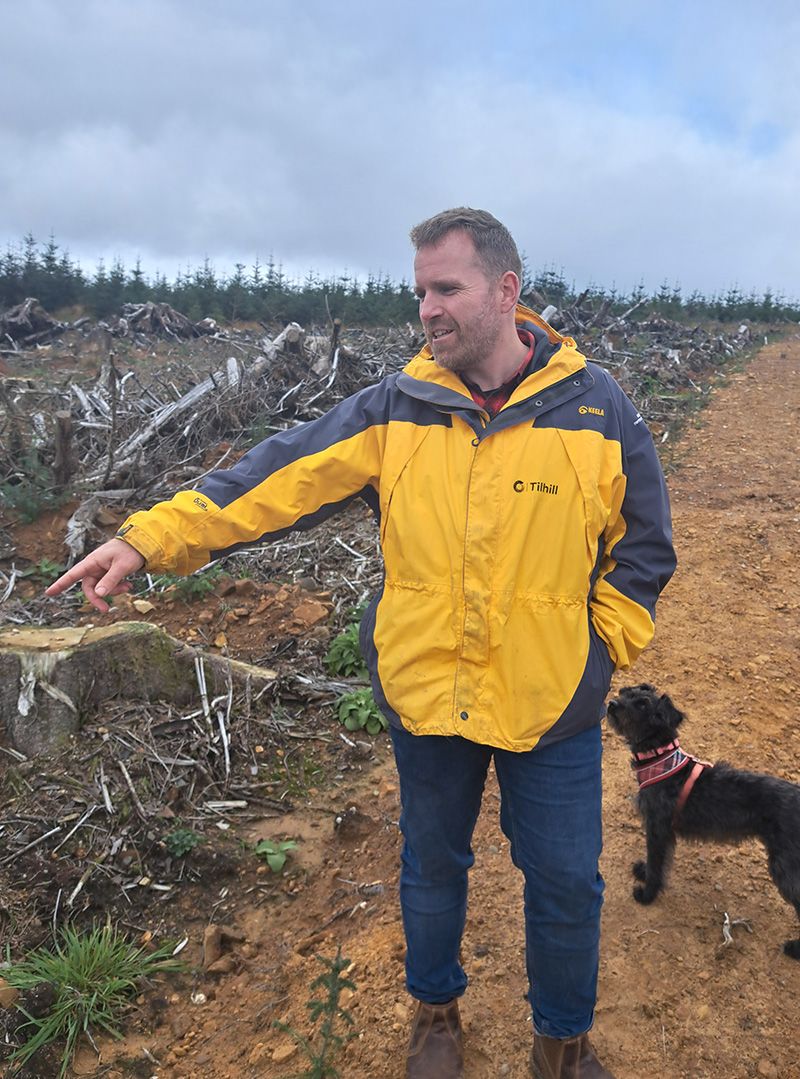
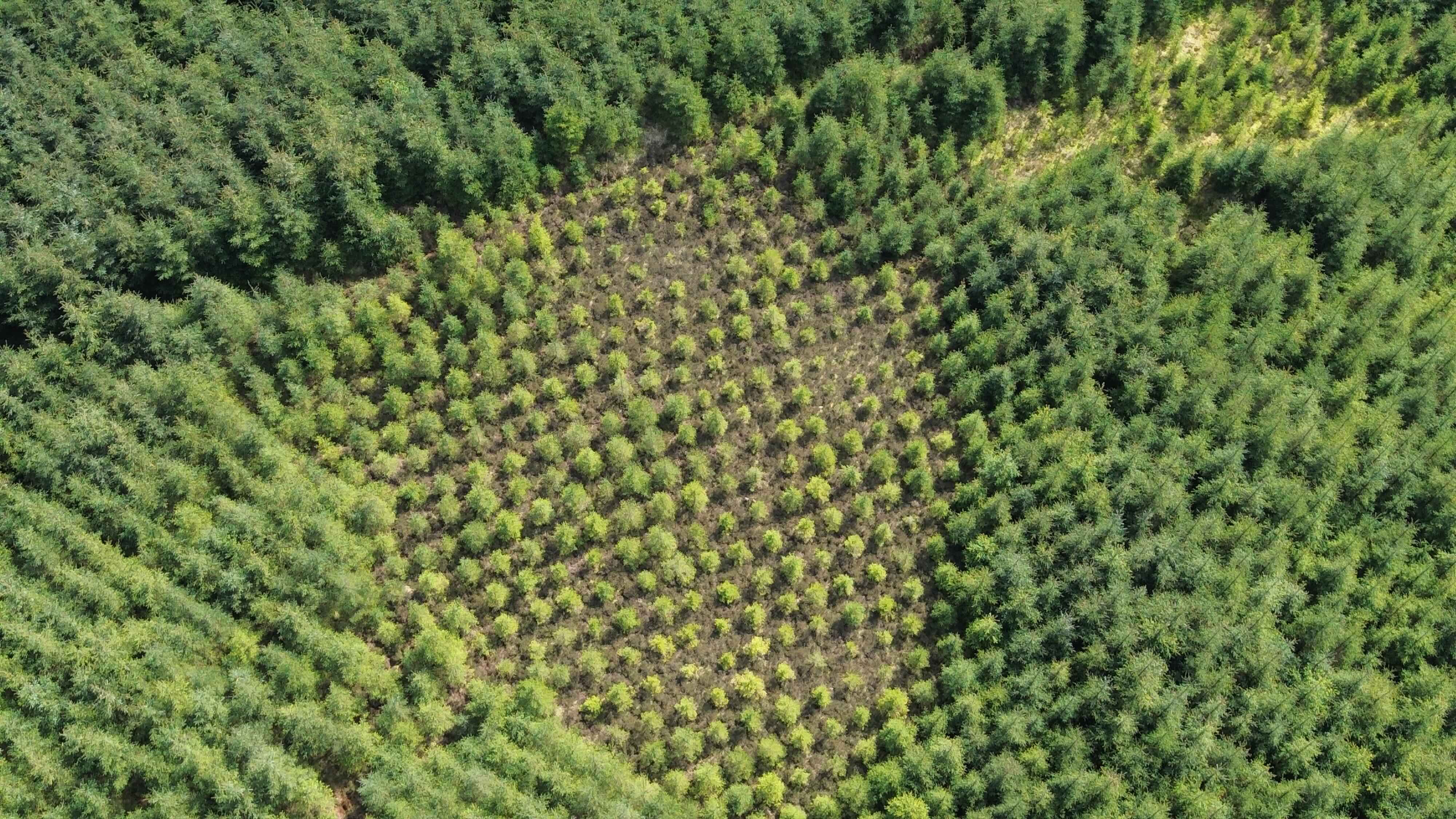
James Harrison-Moore, Senior Forest Manager, pointing out the pine weevil's preferred habitat.
James Harrison-Moore, Senior Forest Manager, pointing out the pine weevil's preferred habitat.
The Sitka spruce story
On more than 900 hectares overlooking a rural valley in northern England, the slopes are blanketed in Sitka spruce. The view is a patchwork of old and young trees, some growing for years, others newly planted. This is a sign of a well-managed forest because after a portion of trees are harvested, the area is restocked with young trees supplied from UK nurseries such as Maelor Forest Nurseries. For the saplings, this is a critical moment.
While crops like wheat or barley are only most susceptible to pests for a matter of months, young Sitka need time to establish themselves, leaving them exposed to pine weevils for up to five years after planting. And this is a huge industry, with Sitka accounting for an estimated 50 percent of the entire £2 billion UK forestry trade.
Not surprisingly, monitoring weevils across commercial sites is a constant challenge, as James Harrison-Moore, a forester for the past decade and a Senior Forest Manager at sites across the North of England, explains.
“You might walk through a whole restock area and not see any, but come back a brief time later and you see them. The weather conditions can play a big part as to when the weevil emerge to feed, and to allow us to effectively spray the tree. Getting the timing right when to spray, particularly on larger sites, can be a challenge,” he says.
“Just like farming, forestry is about working with the land to continually improve it to be more resilient, environmentally and financially sustainable for the future. But unlike farming we don’t have a yearly harvest, we might only harvest timber once in 20, 30, or even over 40-year intervals.”
Contemporary forestry operates a delicate balance: forestry requires active management to keep trees heathy and productive, which in turn helps to protect entire systems of biodiversity.
The threat to the forest

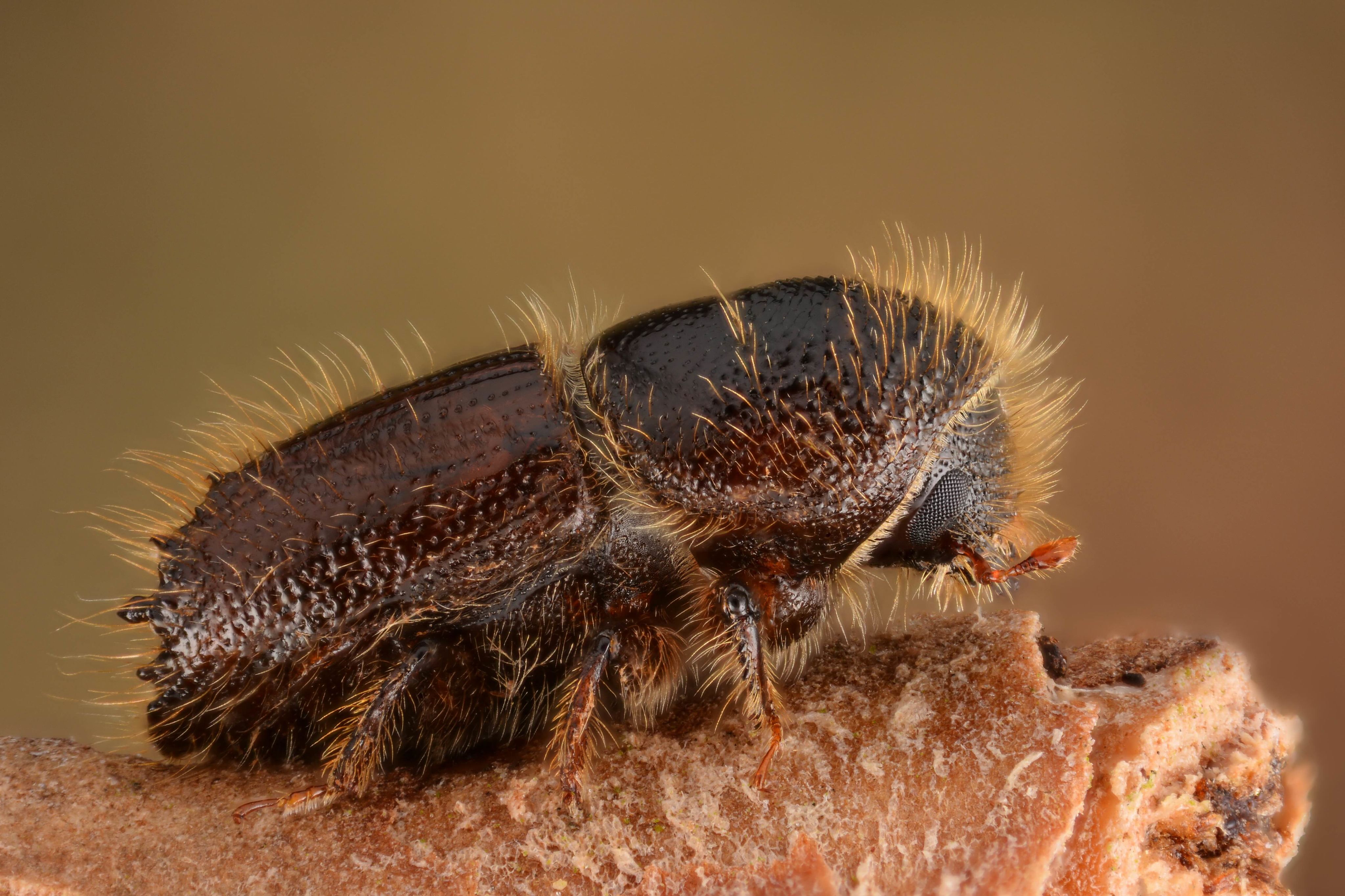
Otherwise known as the large pine weevil, Hylobius abietis chomps through the bark of the spruce and feeds on the sap. Without check, weevils can strip away the bark entirely, ‘girdling’ the trunk and inevitably killing the tree.
Harrison-Moore says: “We aim for a planting density of around 2,700 young trees per hectare. Losses of around 10-15 percent in the first year are considered a good baseline, but without active management weevils can wipe out entire restocks.”
According to a Confor spokesperson: “The Hylobius abietis threat to forestry cannot be understated in any way - the damage inflicted on young trees usually results in the deaths of thousands of plants.”
Restock areas are particularly attractive to weevils because they support every stage of its life cycle. When trees are felled for harvesting, they emit what’s called volatile organic compounds or VOCs. These attract mature weevils that lay eggs on or near the stumps. When young restock trees are brought in, young weevils hatch and start feeding.
This life cycle means that there are two points in a year when weevils are most active: in spring, when adults lay their eggs nears stumps, and again in the autumn when their offspring emerge to start the feeding process.
Chris Williams, Chief Executive of the Royal Forestry Society, points out that these pests also have a serious environmental impact.

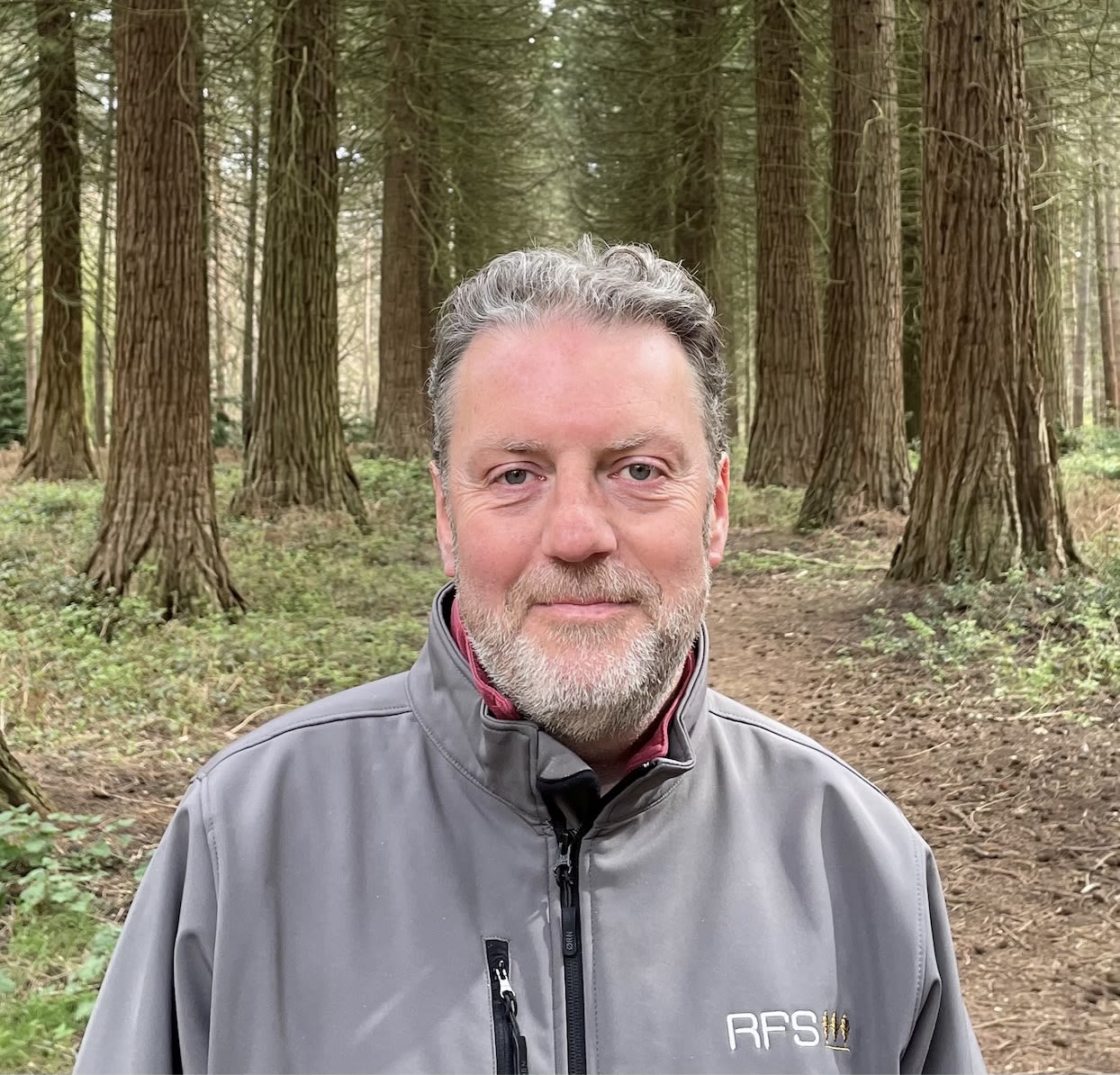
Chris Williams, Chief Executive of the Royal Forestry Society.
Chris Williams, Chief Executive of the Royal Forestry Society.
“Trees are essentially made from air, they sequester carbon dioxide from the atmosphere, and if the timber is used, it locks up the carbon indefinitely. Beating the large pine weevil, and other pests like it, is important in the fight against climate change,” he says.
These losses are not just damaging to the environment but directly impact a forest’s commercial success. After all, even if restocks aren’t destroyed, weevil damage affects crop quality and drives down the price of timber.
There’s more. Several control options have been withdrawn from use over the past few years as regulations have changed, leaving foresters facing long-term pressures without clear options of how to manage them.
Harrison-Moore says: “Leaving an area, more commonly known as a compartment block, fallow after felling can reduce the weevil population over time. But we are legally obligated to restock felled land within 10 years of harvesting, and commercially it's important to prepare the ground and restock as soon as possible. Due to the scale of the process, the weevil population is consistently high, with the habitat (cut stumps) and potential food source never taken away.”
With protective options in short supply and weevils an ever-present threat, CONFOR successfully applied for emergency authorization in 2025 to use Syngenta’s insecticide Lanzarta, bringing effective weevil control to the forestry sector.

Effective, selective control
Lanzarta selectively targets chewing pests. Andrew Crossthwaite, Head of Bioscience Target Selectivity at Syngenta, explains how it works.
“When the active ingredient in Lanzarta was developed, the mechanism of action was new – and the advantage this brings to controlling Hylobius is that there is a low chance of resistance developing.”

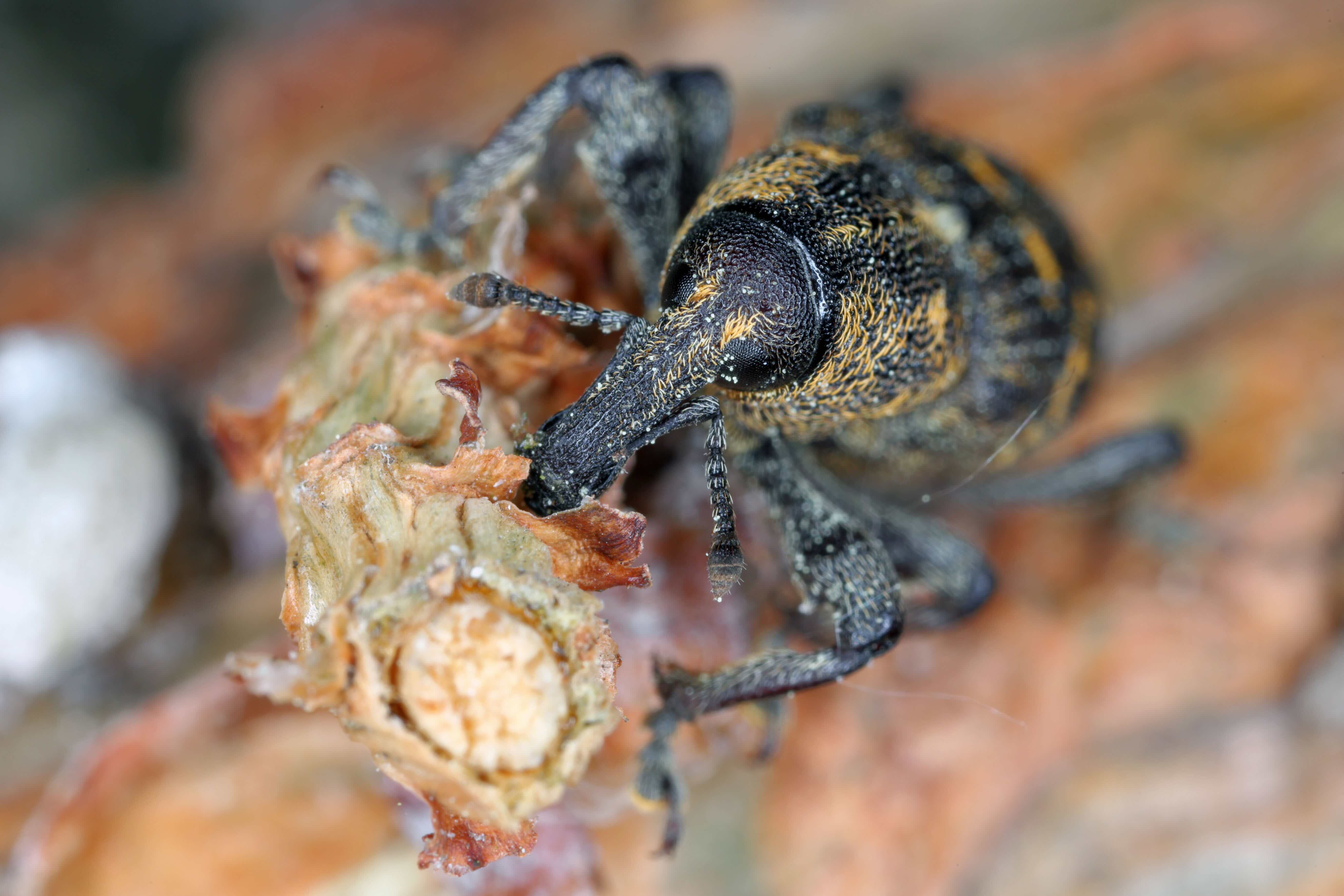
The large pine weevil chomps through the bark of the spruce and feeds on the sap.
The large pine weevil chomps through the bark of the spruce and feeds on the sap.
He continues: “The active ingredient modifies a protein in insect muscle cells. When the insect feeds on a tree that has been treated, it’s taken up, works its way to the target site and binds to what’s called the ryanodine receptor, which it opens. This releases a huge amount of calcium inside the muscle cells leading to paralysis.”
This new solution is also highly efficient. Just 60ml of Lanzarta mixed with the recommended amount of water is enough to protect up to 1,000 trees for the season.

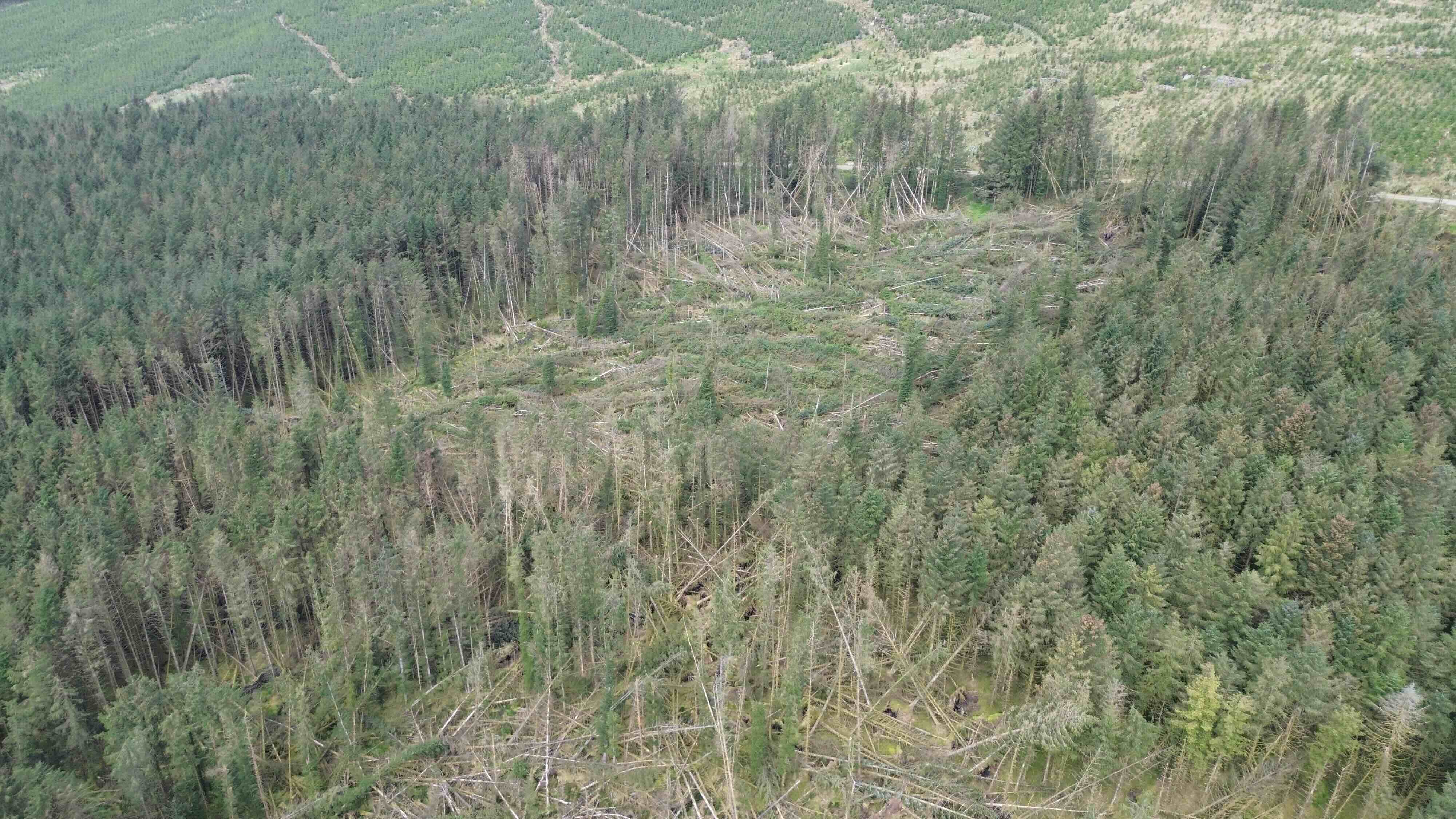
Syngenta's Lanzarta offers efficient protection against the pine weevil with just millilitres protecting thousands of trees.
Syngenta's Lanzarta offers efficient protection against the pine weevil with just millilitres protecting thousands of trees.
“We have used and trialled other solutions previously which weren’t as effective or weren’t as selective,” says Harrison-Moore. “You can use biological nematodes, but this needs vast amounts of water and specialist equipment. On many sites that’s just not workable.”
And one of the biggest advantages of Lanzarta is its ease of use which saves time and cuts labour costs.
After it’s temporary emergency authorization last year, Lanzarta has now been granted full authorization in the UK, meaning it can be used to protect trees as both a pre-treatment for young trees growing in nurseries and for in-forest application.
“The authorization shows just how important control tools are for the forestry sector,” explains Sarah Hughes, Syngenta Professional Services Business Manager for UK and Ireland. “We spend a lot of time on researching, developing the best possible tools and techniques to give foresters all the help they need.”
Find out more about how Syngenta is working with foresters to protect trees from the pine weevil.