
From bark to berries
– how Chile’s forests inspired botanical crop protection

A collaboration rooted in nature and driven by science is bringing a promising innovation to growers across the Americas.
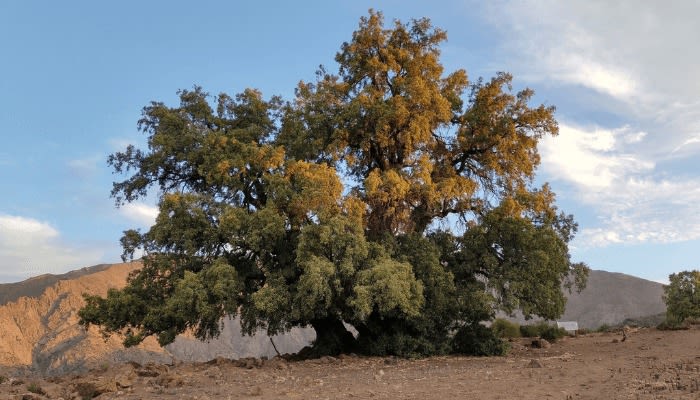
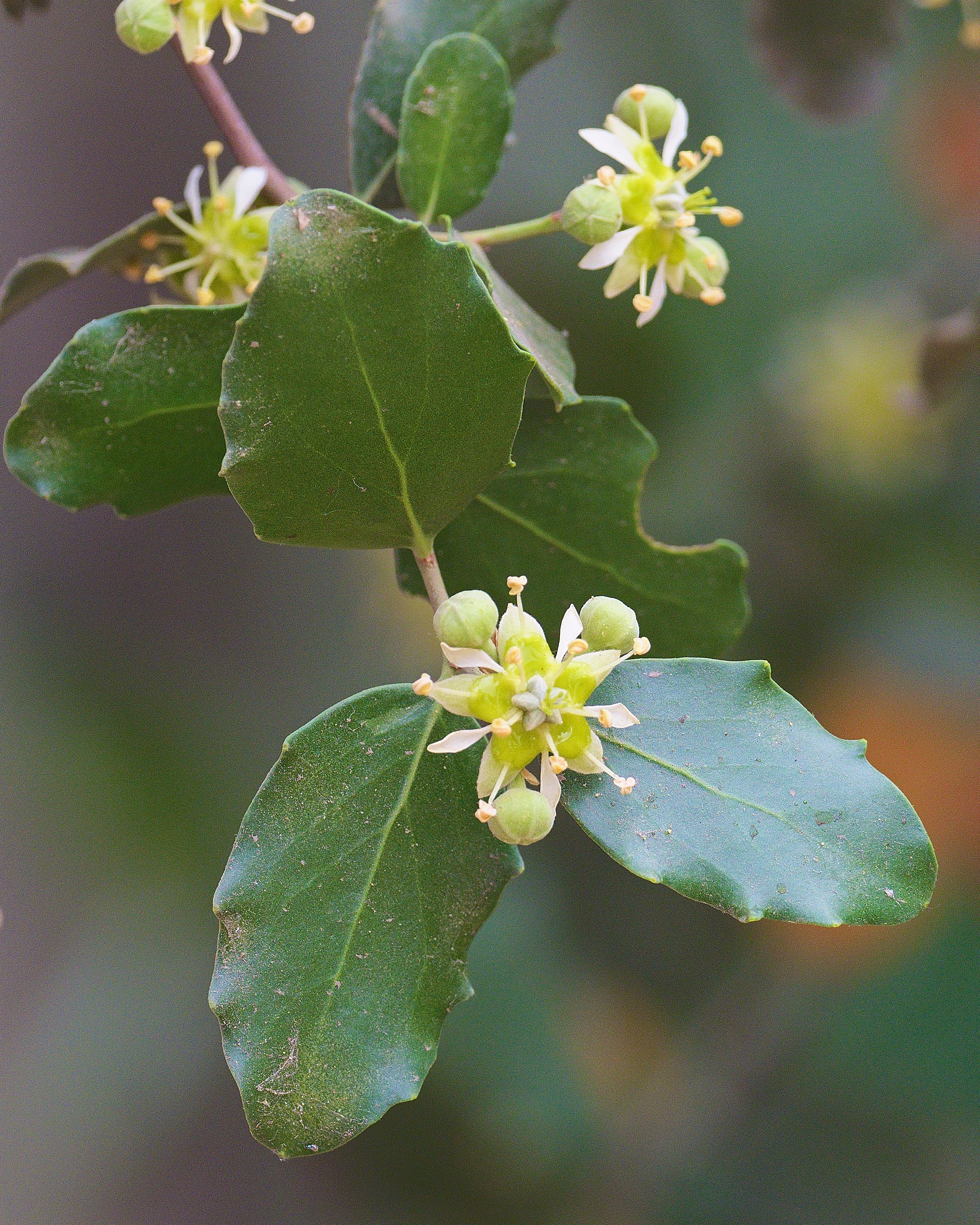
For centuries, Quillaja saponaria has grown quietly across the hills and valleys of Chile. An evergreen tree, unremarkable to the passing eye, its bark contains one of nature's more extraordinary chemical secrets.
Within the tree’s bark lies an unusually high concentration of saponins: complex molecules that the tree produces as part of its own defense system against pathogens and environmental stress.
Scientists have spent decades studying saponins. Now, thanks to a collaboration between Syngenta and Chilean biotech company Botanical Solution Inc. (BSI), those same molecules are protecting some of the world's most valuable crops from fungal disease.
In February 2026, Syngenta announced it hopes to bring the product, Quillibrium, to growers in Mexico, the United States, and Canada — a significant expansion for a biological that has already proven itself across vineyards and berry farms in Chile and Peru.
"Quillibrium is exactly the kind of solution growers of grapes, berries, and tomatoes have been looking for. It delivers reliable disease control while supporting healthier plants and more resilient, sustainable yields,” says Leo Zappe, Global Head Product Management, Seedcare and Biologicals, at Syngenta.

Sustainable distinction
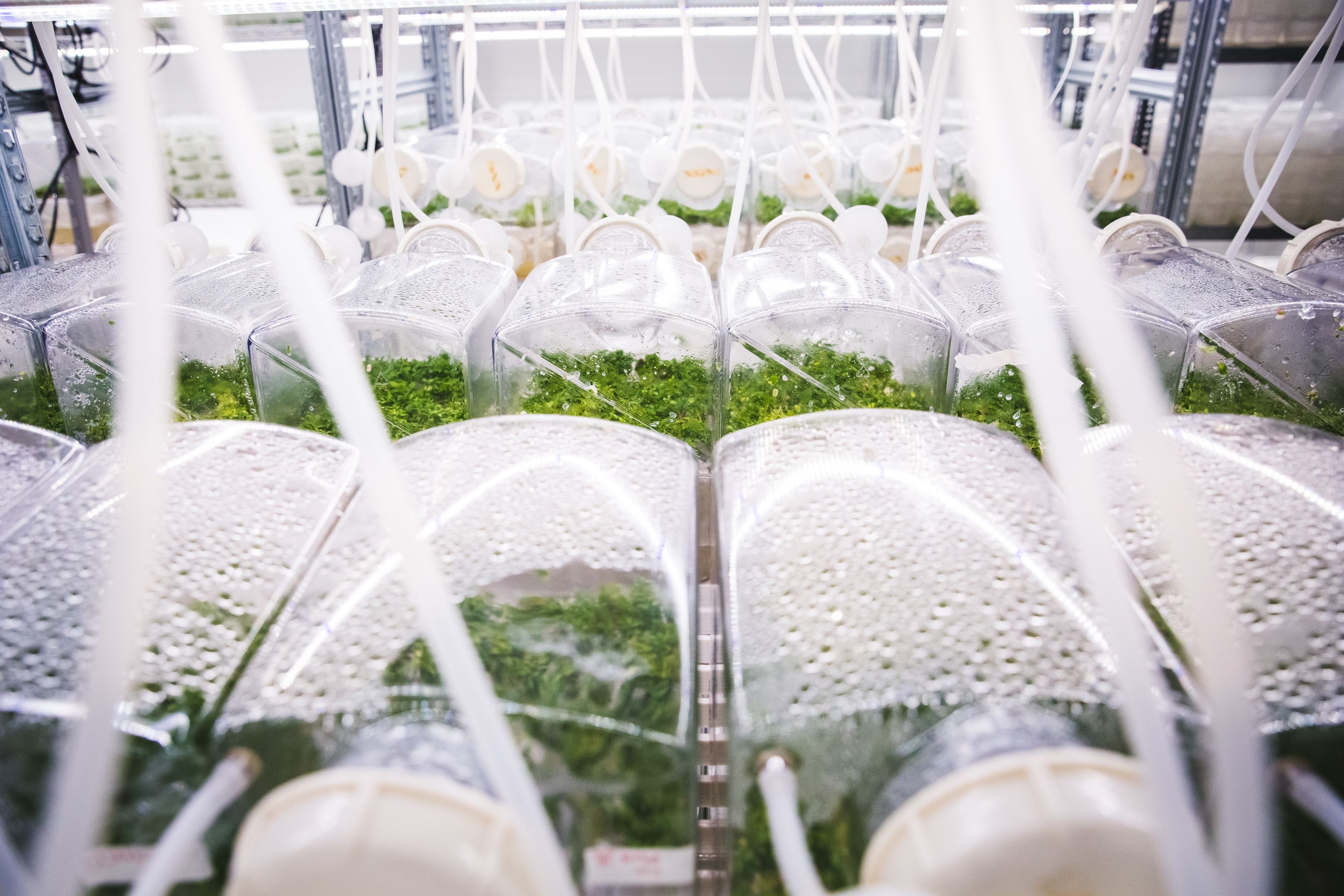
What makes Quillibrium distinctive begins with how it is made. BSI has built a proprietary plant tissue culture platform that produces consistent, high-quality extracts from Quillaja saponaria without harvesting a single wild tree or operating conventional plantations. The process allows BSI to cultivate the tree's active compounds entirely in controlled conditions.
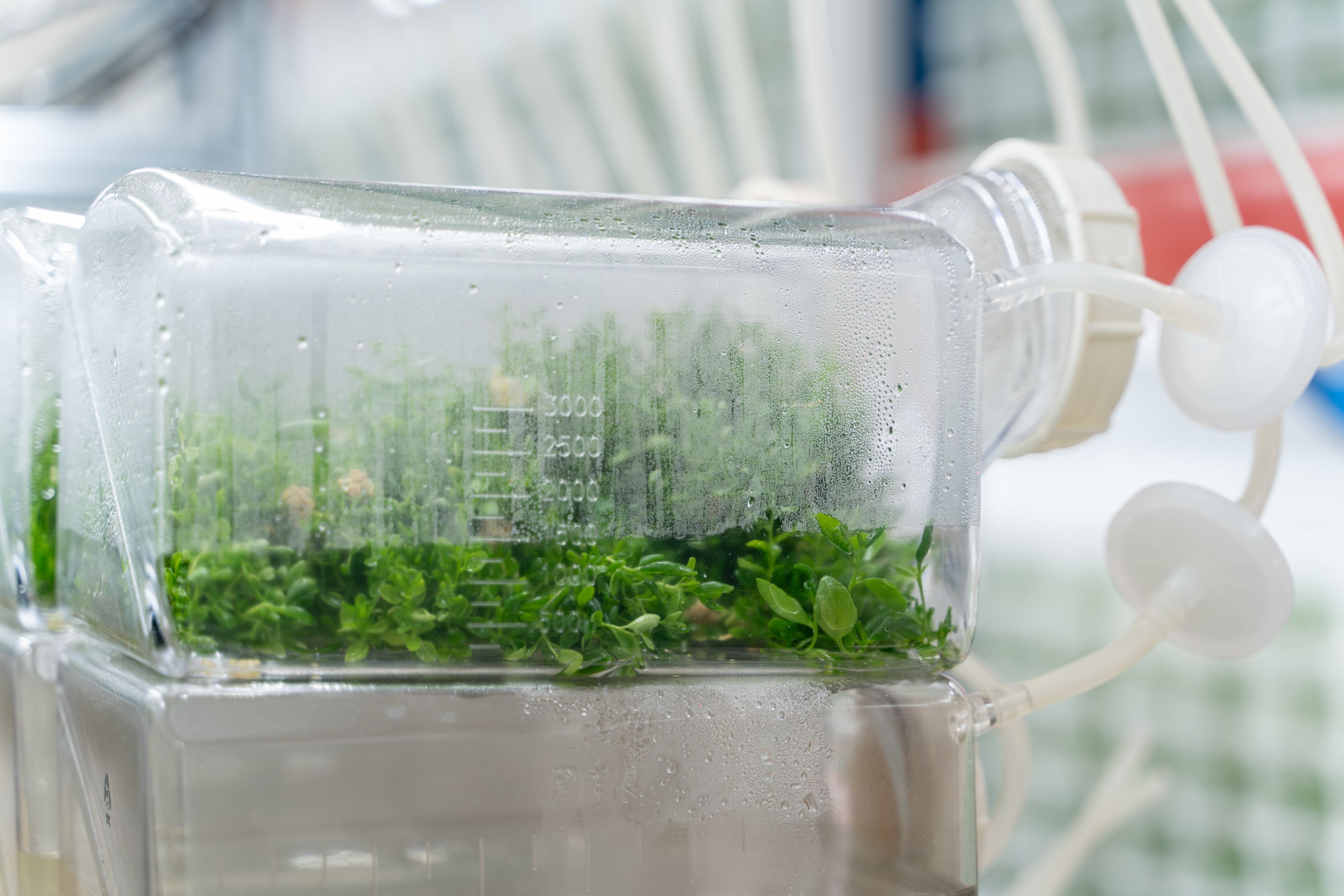
The result is a supply chain that is both commercially reliable and sustainable: a protected native species stays protected, while farmers have access to a product with consistent quality. The controlled production removes the variability found in wild trees, whose saponin levels can differ with seasons, locations and growing conditions.

A proprietary plant tissue culture platform produces consistent, high-quality extracts from Quillaja Saponaria without the need to harvest a single wild tree.
A proprietary plant tissue culture platform produces consistent, high-quality extracts from Quillaja Saponaria without the need to harvest a single wild tree.
How it works in the field
The saponins in Quillaja saponaria act against fungal pathogens through multiple mechanisms, directly targeting the pathogen while priming the plant’s own defenses.
"Quillibrium acts as an enzyme inhibitor, inhibiting cellular respiration in the pathogen, while also inducing systemic acquired resistance in the plant itself," explains Eric Thomas, Global Product Management Lead for Biocontrols at Syngenta.
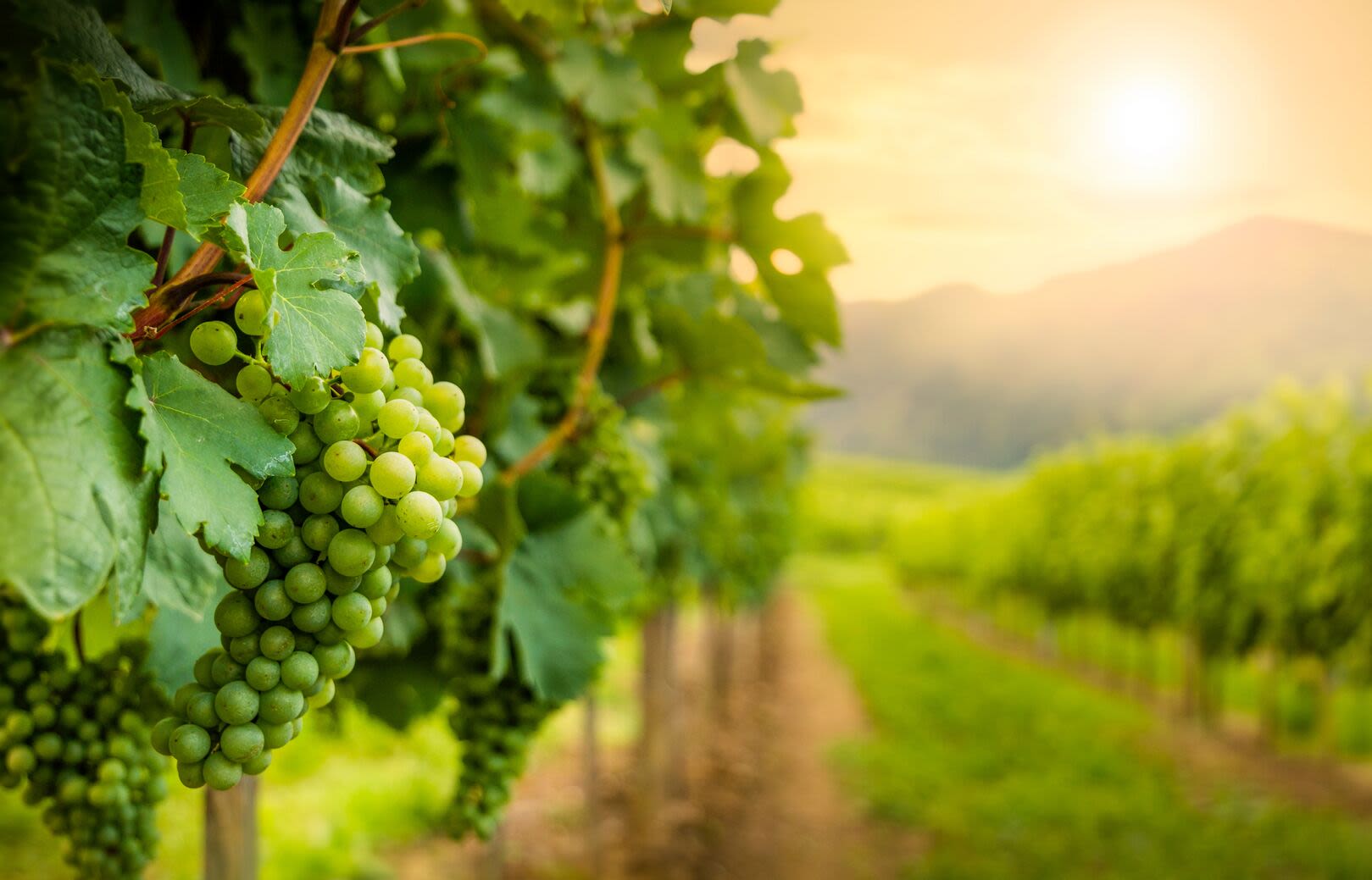
This dual action has made it effective against diseases including Botrytis, Powdery Mildew, Sour Rot, and Alternaria alternata, diseases that pose significant challenges for growers in both Chile and Peru. Growers in Mexico and the U.S. face similar disease pressures across major fruit and vegetable crops.

The science goes deeper than direct pathogen control.
“Quillibrium activates specific genes within the plant that strengthen its natural defense response, effectively teaching the crop to better protect itself,” explains Fiorella Gattini, Development Manager for the Andinos region at Syngenta.
This gene-level activation has proven particularly significant against Sour Rot, a disease notoriously difficult to manage with conventional chemistries and one that can devastate grape and berry harvests in warm, humid conditions. Quillibrium works both as a preventative and as a curative, and because it is a plant extract, its effectiveness is not dependent on weather conditions — a meaningful advantage in the variable climates where high-value fruit crops are grown.

Where it fits in a grower's program

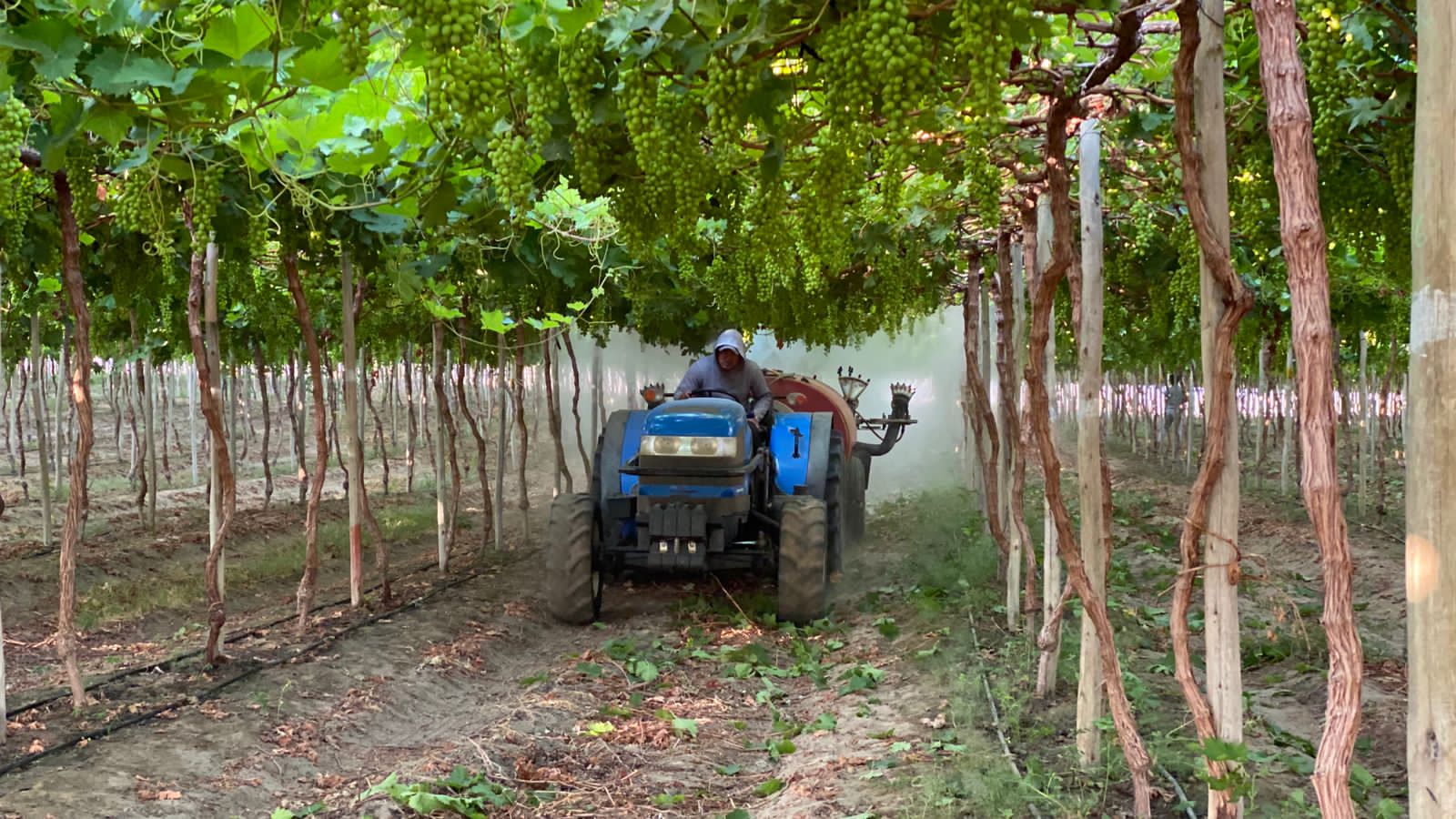
Biocontrol products are designed to complement conventional crop protection, giving growers a more complete toolkit.
Fiorella describes the logic of an integrated program: "In a disease control program for crops such as grapes and vegetables, conventional crop protection products are used at the beginning of the cycle, delivering high efficacy, long control effect, and broad-spectrum coverage. Quillibrium is applied at the end of the cycle, close to harvest, to protect the fruit and ensure it reaches commercialization in better condition.”
That late-season positioning is one of Quillibrium’s most significant features. As export markets in Europe and Asia continue to tighten residue standards, the ability to apply an effective biofungicide right up to harvest gives growers greater flexibility in how they manage their programs and plan their harvests.
The product is also certified by Organic Materials Review Institute (OMRI) for use in organic production, giving it a place in both conventional and organic systems. And because it carries multiple modes of action, it can be rotated with other active ingredients as part of resistance management programs — an important consideration as some pathogens develop tolerance to more widely used chemistries.
Partner of choice

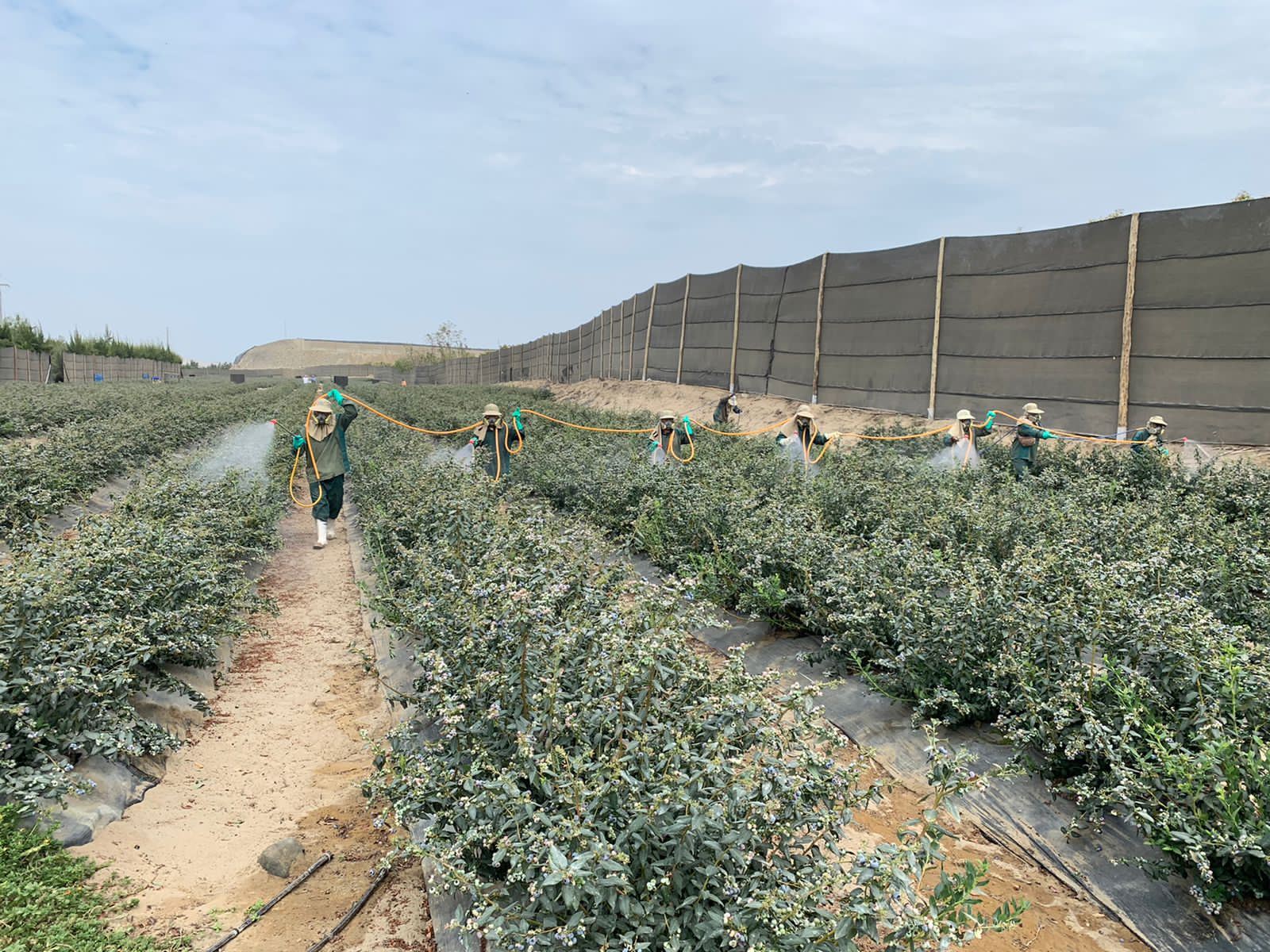
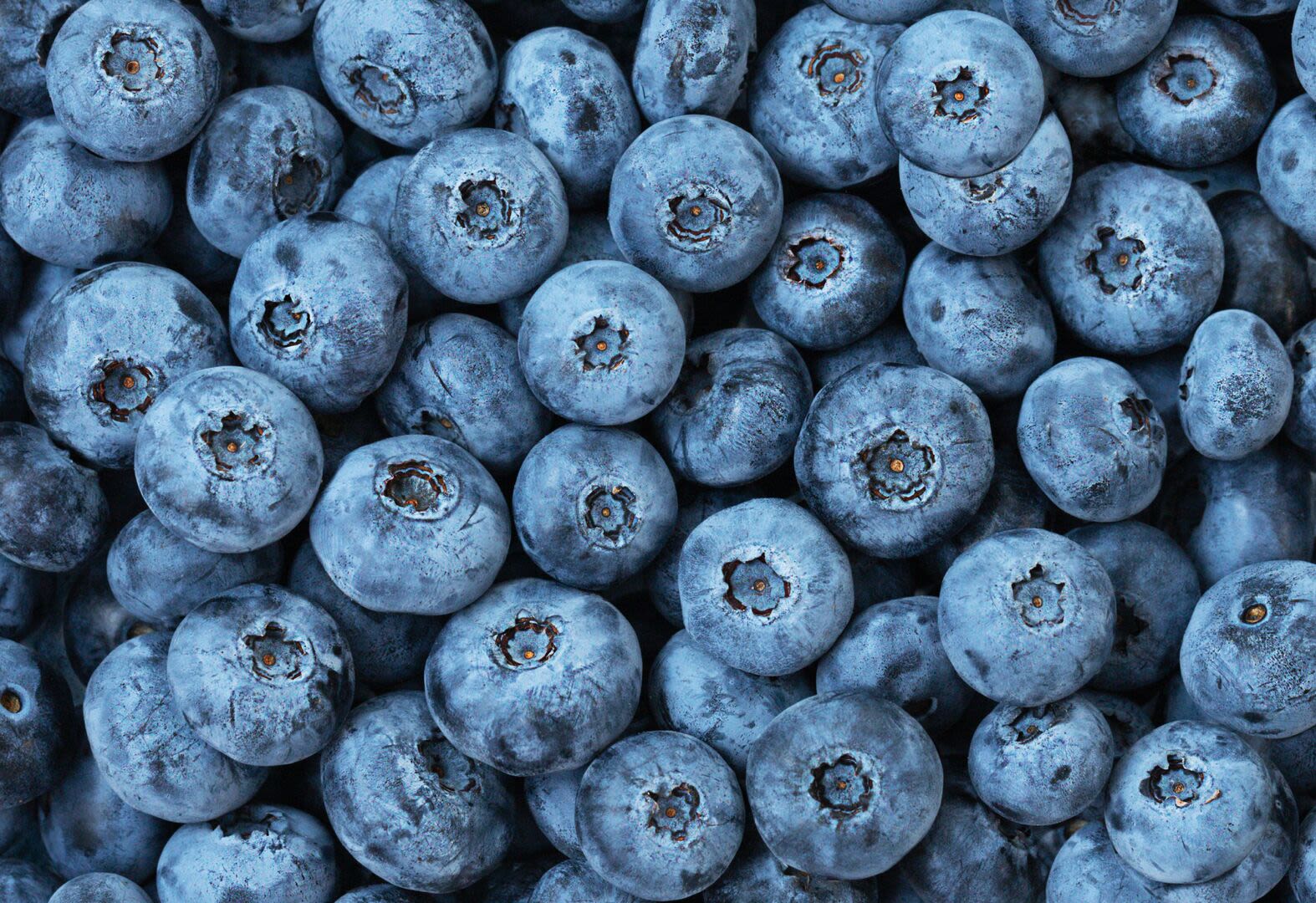
Since 2021, Syngenta and BSI have been commercializing it in Chile and Peru — marketed there as BotriStop — across grapes, blueberries, tomatoes, berries, and cherries. Independent multi-season trials on table grapes, conducted by agronomic consultants working across both markets, have confirmed consistent efficacy against Botrytis, Powdery Mildew, and Sour Rot.
"In Chile and Peru, Quillibrium has become part of standard blueberry and grape management programs due to its high efficacy and reliability," says Evelyn Salinas, Asset Manager, Pacific Cluster, at Syngenta. "Farmers value the consistency of the product year after year, and in certain regions have observed improved fruit quality linked to its use."
It is hoped that Mexico and the U.S. could be next. The former is the fastest growing market for biofungicides in North America, driven by grower interest in sustainable solutions and export market requirements. The U.S. biofungicides market is on track to reach $1.6 billion by 2030.
The BSI partnership reflects how Syngenta is approaching innovation in this space — working with specialized biotechnology partners whose scientific depth complements its own global reach and agronomic expertise.
"BSI could have taken this technology anywhere. They came to us because they knew we had the reach, the agronomic expertise, and the commitment to make it work at scale. That says something about where Syngenta stands in biologicals today — and about what we can offer growers that others cannot," adds Zappe.
Bigger biologicals ambition
Syngenta has been building a biocontrols portfolio that spans microbials, botanicals, and pheromones alongside its conventional chemistry.
The story of crop protection has long been told in terms of chemistry developed in laboratories, scaled in factories, and applied in fields. Quillibrium suggests that nature has been running its own research and development program for millions of years — and that we are only beginning to learn from it.