

Safeguarding seeds and global food production


A year on: How a state-of-the-art Seed Health Lab in the Netherlands is providing farmers with high-quality, healthy vegetable seeds.

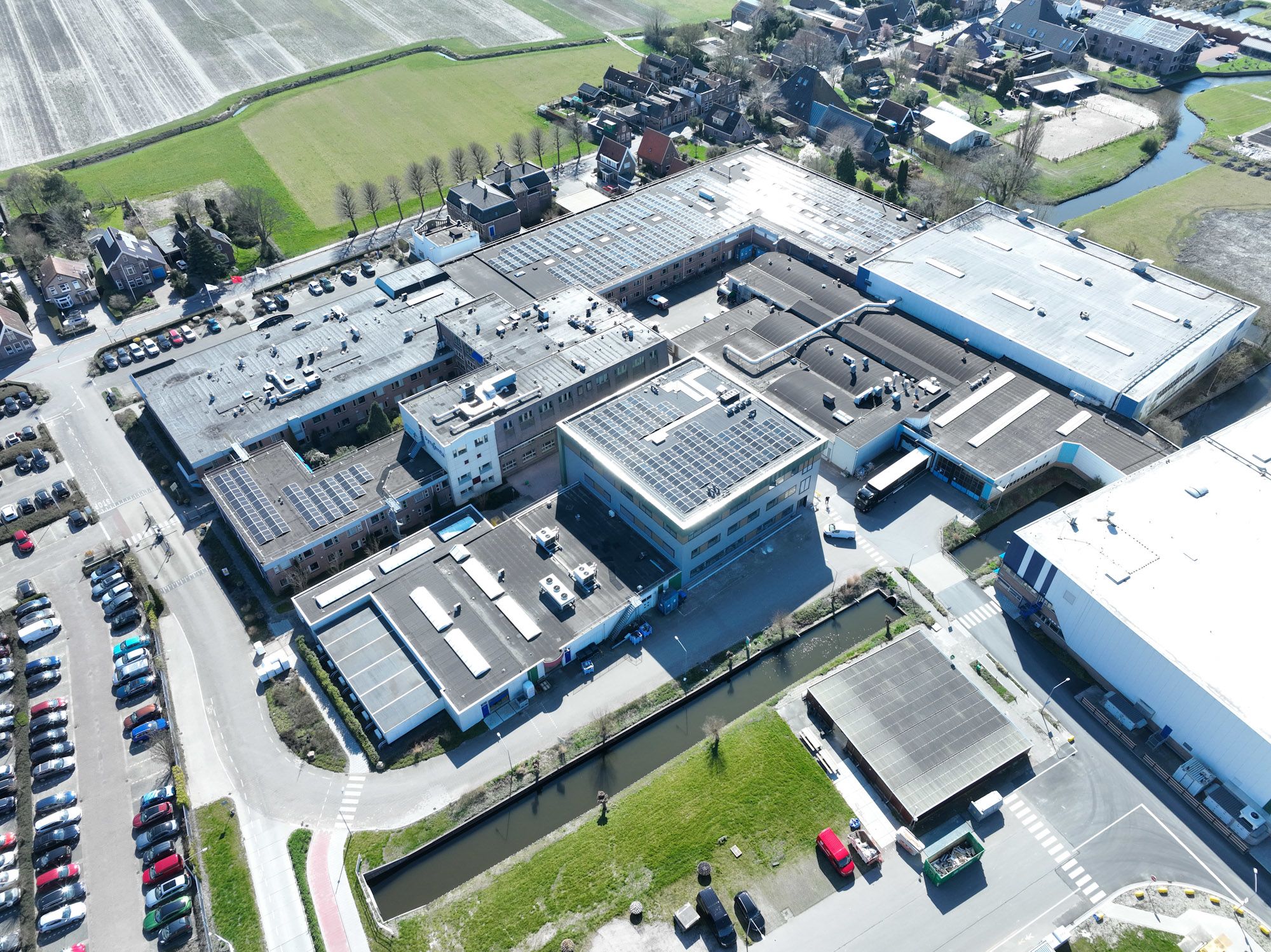

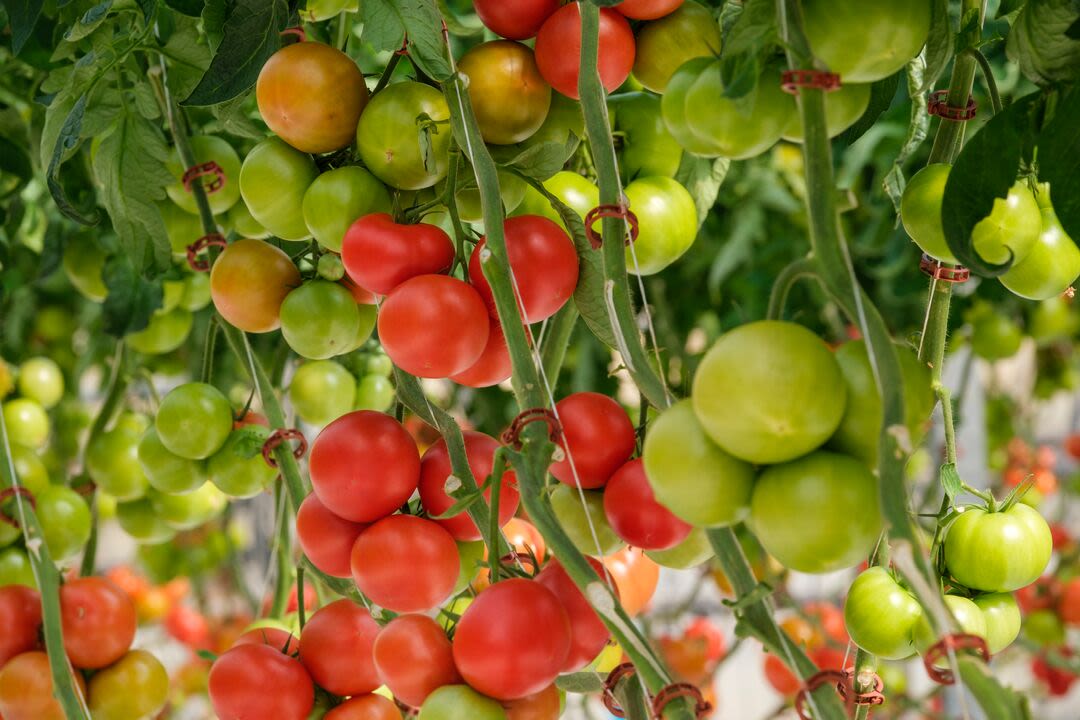
Visitors to the new Seed Health Lab in the Netherlands are given strict instructions: Do not have tomatoes for breakfast and don’t bring anything containing tomatoes for lunch. This may seem like an odd request, but there’s a good reason for it.
“Here at Syngenta in Enkhuizen, it is forbidden to eat tomatoes,” says Erik Postma, Global Head of Quality Management, Vegetable Seeds & Flowers. “You might think, why would we forbid people to eat fresh tomatoes in the canteen? Because while a tomato might look and taste fantastic, it still could contain pathogens.”
At the pioneering $9 million lab, hygiene is taken seriously. Failure to maintain high standards can have devastating consequences, as Erik explains.
“If a person eats a tomato in the canteen and then goes to the lab, they could contaminate the lab. For example, something that tests negative could instead test positive because they have touched it. The pathogen can be detected because the protocols we are using today are around 1,000 times more sensitive than the protocols of 30 years ago. We can detect minute amounts of pathogens. And regulation also demands that we test at these levels. So, the new lab is more or less completely isolated from the rest of the site with strict batch-controlled entries for only the laboratory staff.”
Investing in the future
A year after launch and the Seed Health Lab in Enkhuizen has cemented its place in a worldwide network of vegetable Seed Health Quality Control labs, reinforcing Syngenta’s commitment to providing growers with healthy seeds.
Seed health labs are essential for ensuring that only quality seeds are sown in fields and greenhouses. Key functions at Enkhuizen include identifying pathogens, testing germination potential, analyzing batches for purity, checking for pests, preparing for transport, and adhering to strict international phytosanitary rules and regulations.
Since 2022, Syngenta has invested nearly $30 million in three new Seed Health Labs, with Enkhuizen joining facilities in India and the United States. Enkhuizen itself has the capacity to process thousands of seed tests each year, serving customers around the world. In its first year of operation, the lab processed more than 10,000 tests.

In its first year of operation, the Enkhuizen lab processed more than 10,000 tests.
In its first year of operation, the Enkhuizen lab processed more than 10,000 tests.
Laurel Carter is Head of Phytosanitary and Seed Movement Compliance at Syngenta. She says that testing seeds to the highest standard is crucial to prevent infection spreading.
“Like people, plants can get sick too. There are lots of viruses, bacteria, fungi and other pathogens that can impact the quality of seeds. And people may not realize what that means in terms of loss of yield, loss of productivity, and the impact on supply.”
For example, Tomato Brown Rugose Fruit Virus (ToBRFV) can have a devastating impact on tomato production, infecting up to 100 percent of a crop, with yield losses of between 25 to 70 percent due to tomatoes not fit for sale. Meanwhile, clubroot infects the roots of brassicas and is estimated to cause yield losses of up to 15 percent. Fields unlucky enough to be widely infected can see complete crop failure.
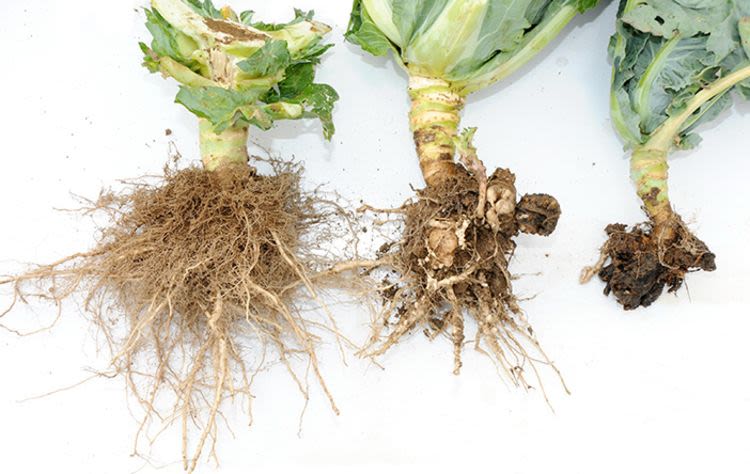

Failure to tackle clubroot leads to the telltale swollen and distorted root system, with a loss of the finer roots, severely inhibiting water and nutrient uptake.
Failure to tackle clubroot leads to the telltale swollen and distorted root system, with a loss of the finer roots, severely inhibiting water and nutrient uptake.
Quality seeds are the foundation for global food production

As growers face increased challenges, including extreme weather, emerging pathogens, economic pressures and environmental concerns, rigorous testing and strict phytosanitary standards in seed movement are more important than ever.
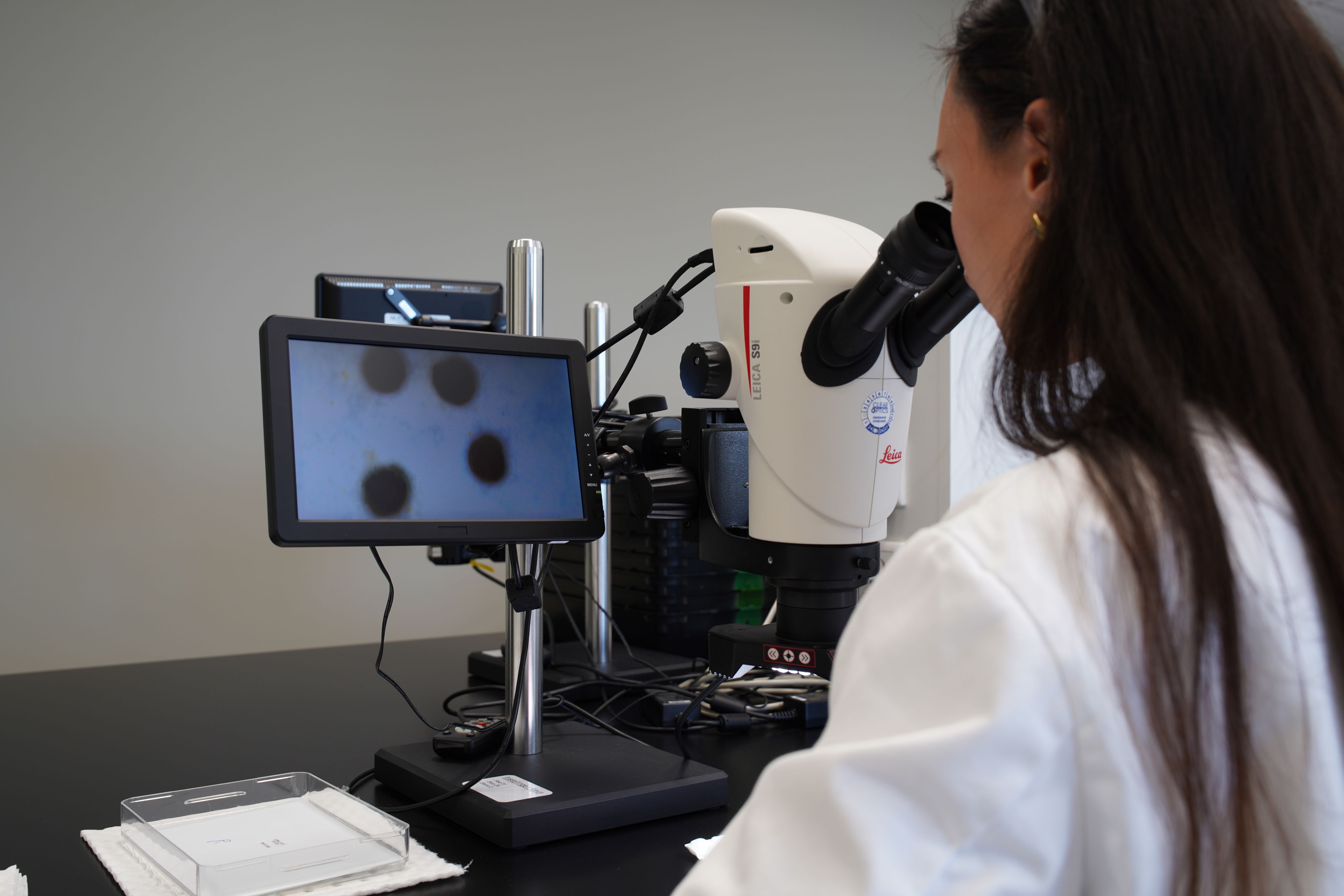
At Enkhuizen, the laboratory houses both the seed health new protocols development team and the routine seed health experts. They develop new testing methods and run diagnostics, employing advanced molecular testing and standardized protocols to manage potential pathogens which affect a wide range of vegetable crops, from cauliflower and lettuce to peppers and cucumbers.
Molecular applications include polymerase chain reaction (PCR) technology. Often used in medical testing, PCR tests can detect the presence of the DNA of seed-borne pests in a matter of days. Other assessments, also employed in medicine, include protein testing. Again, this only takes a day or two and allows scientists to identify viral proteins by watching for color changes.
Technicians also test seeds for damage, examine germination rates, look at seed lot purity, and check that any seed treatment is applied appropriately.

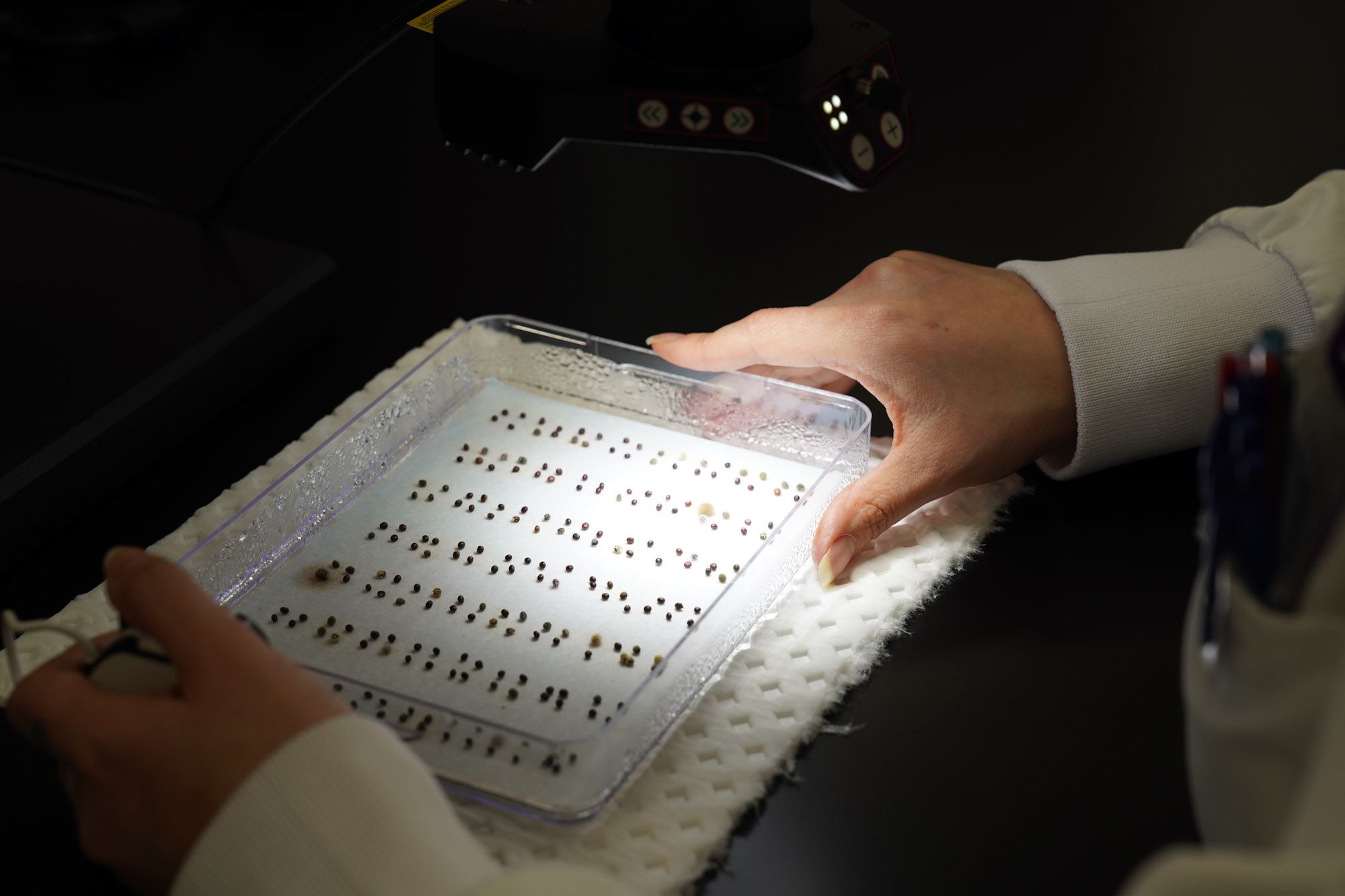
Seeds under the microscope: at Enkhuizen, the laboratory houses both the seed health new protocols development team and the routine seed health experts.
Seeds under the microscope: at Enkhuizen, the laboratory houses both the seed health new protocols development team and the routine seed health experts.
Sending seeds around the world

Meanwhile, the Enkhuizen lab is accredited through third-party organizations to allow for the import and export of seed. With each country running its own certification agency and stipulating its own rules for seed delivery, it’s a complex process.
Laurel says: “We do operate in a very complicated regulatory environment. Almost daily, you get a notification that a pest is regulated in a different country or in a different market. Our supply chains are global, so there is always a new regulation that must be met.”
She continues: “It’s vital to our success as a seed supplier to ensure that we are in full compliance with all international regulations for movement of seed. From the testing laboratory perspective, the lab in Enkhuizen combined with our footprint in Nampa, Idaho and our facilities in Hyderabad, India give us the opportunity to ensure that we can test the seed before it moves to meet all those regulatory requirements to ship seed internationally.”
Safe movement of seed is critical to a stable and secure food system. As far as vegetables are concerned, they are valuable seeds which produce crops that everyone eats. High-tech tomato seeds may actually be worth more than their weight in gold, but their virus resistance and stronger yields can make a difference to the entire value chain. And consider this: a single tomato seed has the potential to yield up to 40 kilograms of tomatoes.
With a multitude of crop species to test across ever-changing global growing conditions, providing quality seeds to the customer and ensuring global regulatory compliance across country borders is a delicate balancing act.
With the increased capacity afforded by the new lab at Enkhuizen, and those in the US and India, Laurel says that “we can get new innovations to the customer faster. For certain diseases, that means that resistant materials are getting to the customers as quickly as possible.”
She adds: “The grower knows that we are meeting or exceeding the industry standards that have been set out through the International Seed Health Initiative in terms of the pests that we are testing for and the methodology that we’re using. And our internal quality management system drives the risk assessment, and ultimately our professionalism, in terms of ensuring that our customers will not have to deal with seed-borne diseases in the seed that they receive.”
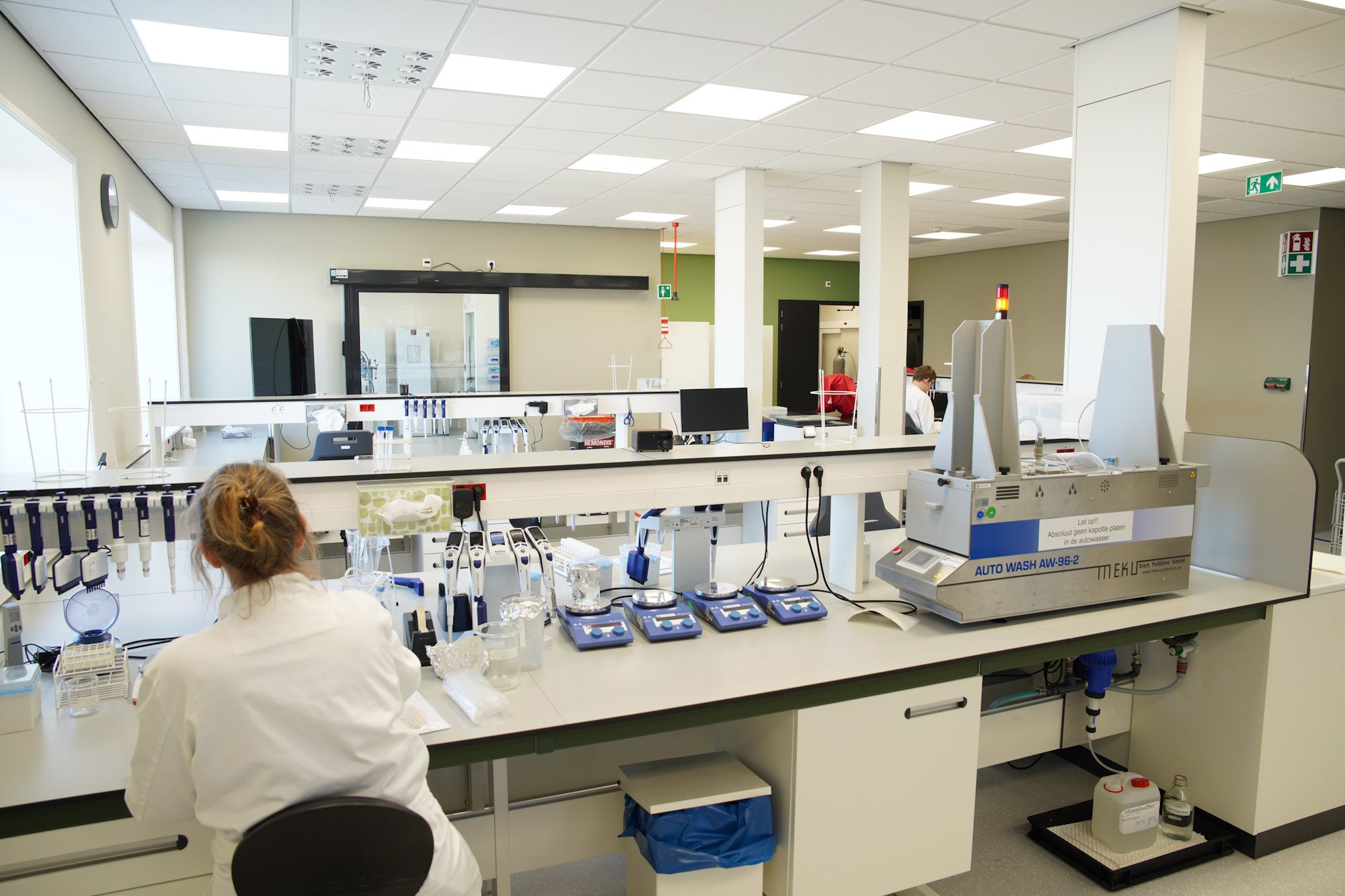
Seeds are tested in the lab so they meet regulatory requirements to ship seed internationally.
Seeds are tested in the lab so they meet regulatory requirements to ship seed internationally.