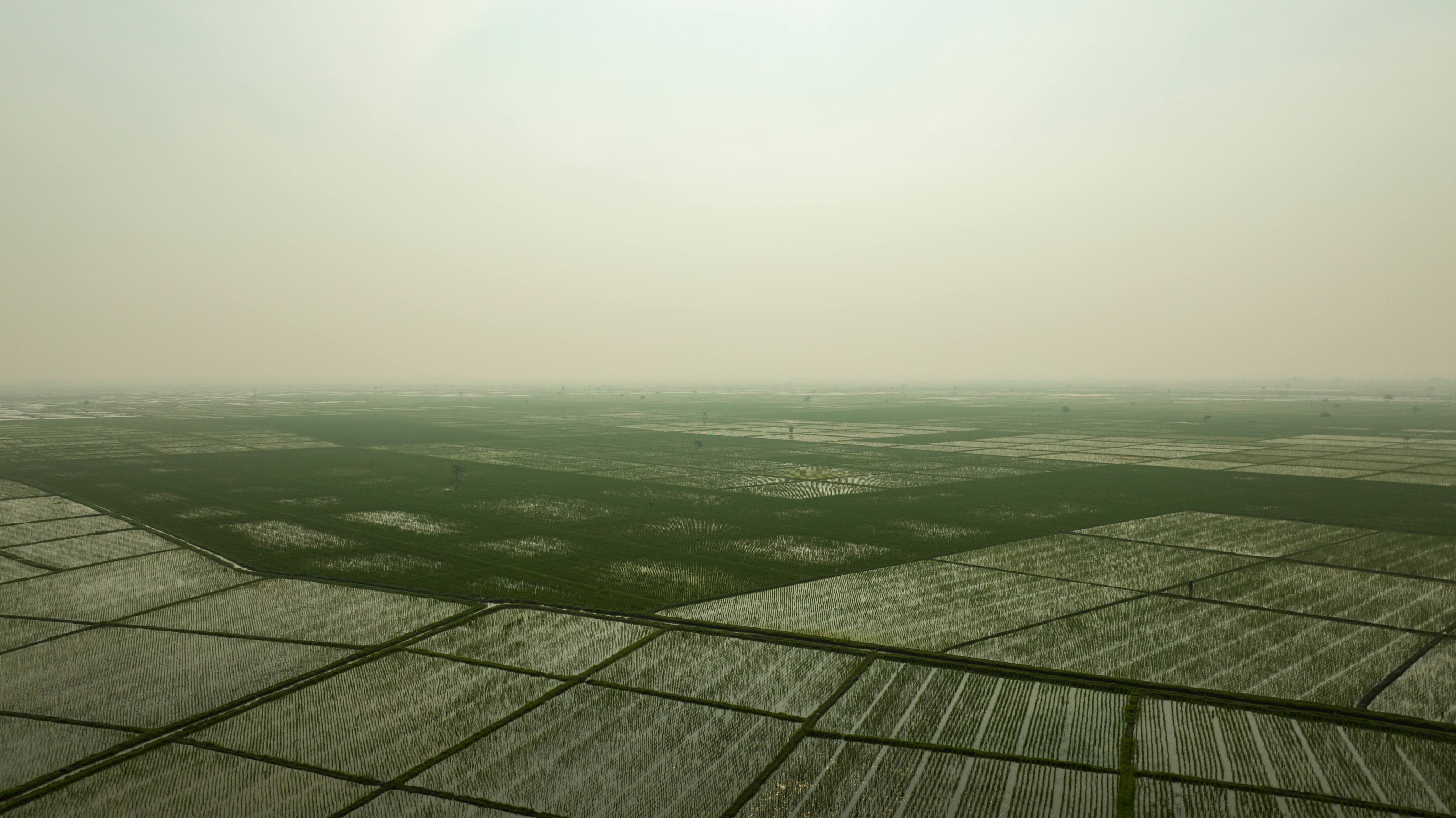

Protecting the rice harvest and beneficial insects
Pheromone technologies prove a sustainable approach to pest control

Protecting the rice harvest and beneficial insects
Pheromone technologies prove a sustainable approach to pest control
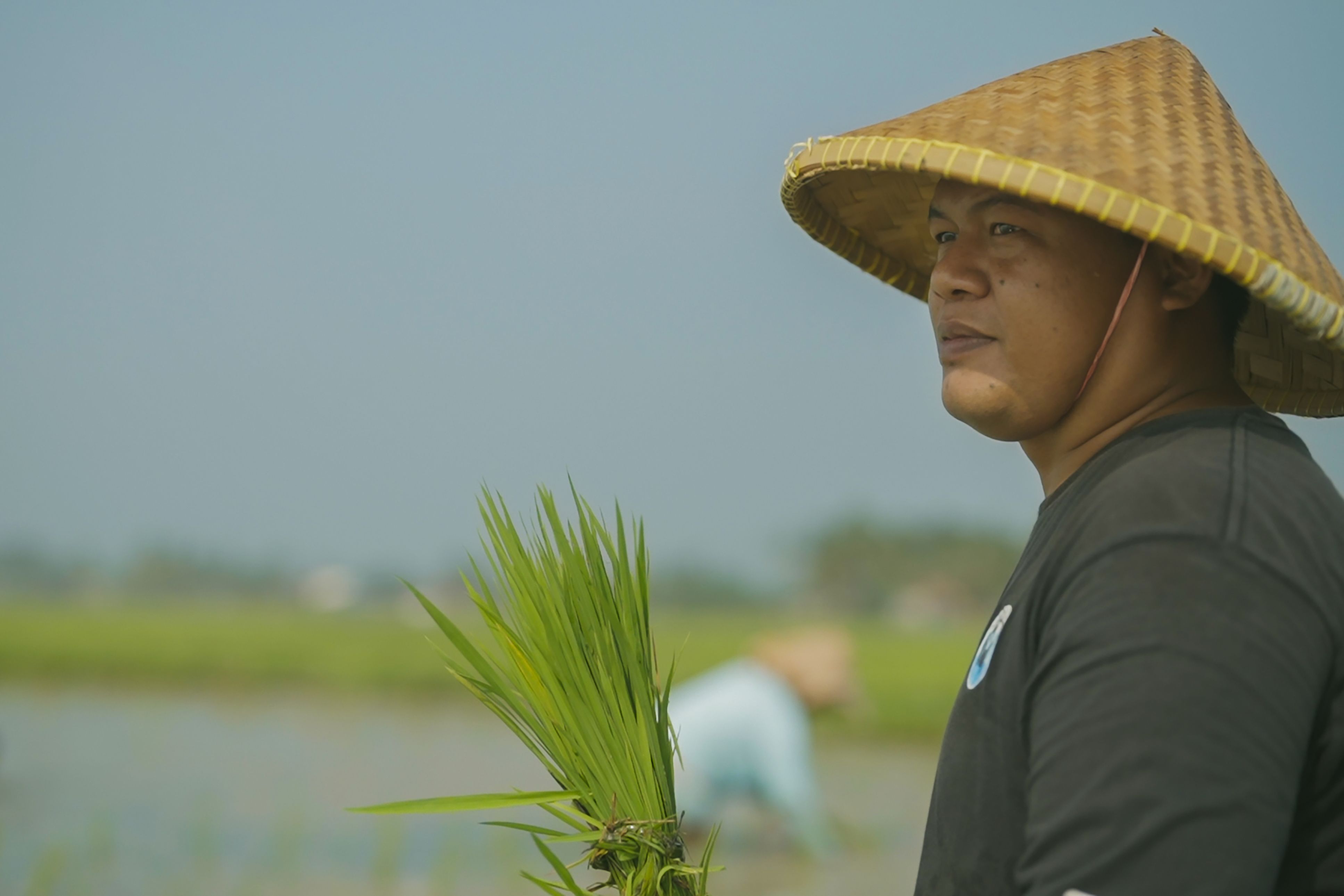
In Indonesia, rice isn't merely a staple; it's the cornerstone of food security, livelihoods, and cultural identity for farmers.
While Indonesia has large-scale commercial farming in exports crops like palm oil, most of the farmers growing rice are smallholders managing less than two hectares of land. These subsistence farmers are facing a formidable enemy: the rice stem borer.

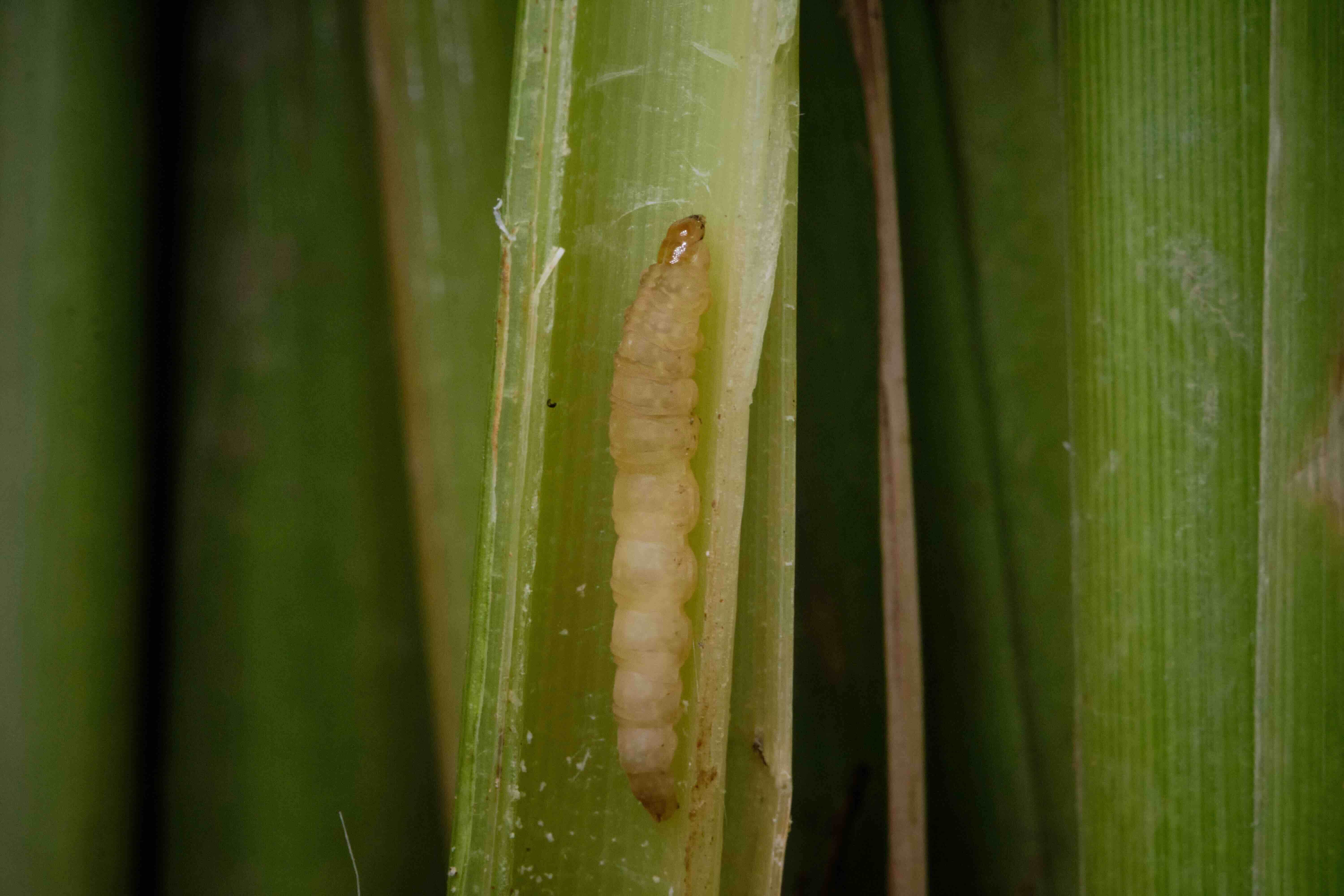
This small insect bores into rice plant stems, feeding on internal tissues and causing devastating damage.
“The impact of this pest can result in 50 percent harvest failure, or even the point where there is no harvest at all, depending on the rice variety,” says farmer Indra Laskman, a fourth-generation rice farmer in the southeast Asian nation.
Rice serves as the primary food source for about half the world’s population. As the third-largest producer, Indonesia plays a key role in global food security. In the regions of Java and Sulawesi, fertile soil and favorable conditions support both irrigated and rainfed rice farming.
Persistent problem
Rice stem borers are characterized by their small size, with a wingspan of 20-25mm. Adult moths have brown-yellowish forewings with darker longitudinal stripes. Males have pale straw-colored hind wings, while females are white.

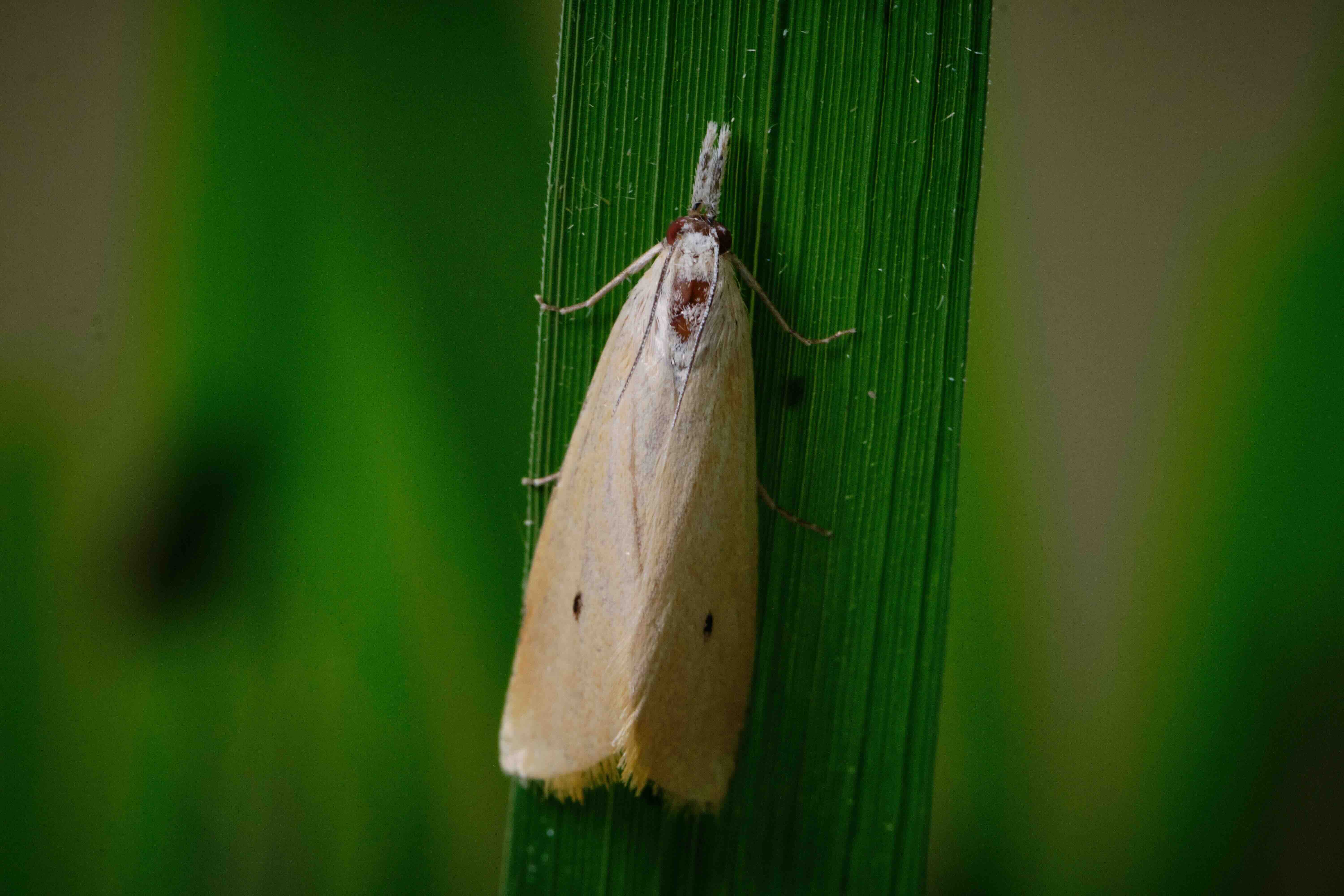
Rice stem borers are characterized by their small size, with a wingspan of 20-25mm.
Rice stem borers are characterized by their small size, with a wingspan of 20-25mm.
Controlling rice stem borers poses challenges due to their larvae's protected location within the stem, making them difficult to reach with conventional crop protection.
Rising heat and humidity in rice growing regions, driven by climate change, favors growth of stem borer populations and has put rice crops at greater risk.
“The impact of this pest can result in 50 percent harvest failure, or even the point where there is no harvest at all, depending on the rice variety,” says farmer Indra Laskman, a fourth-generation rice farmer in the southeast Asian nation.
Rice serves as the primary food source for about half the world’s population. As the third-largest producer, Indonesia plays a key role in global food security. In the regions of Java and Sulawesi, fertile soil and favorable conditions support both irrigated and rainfed rice farming.
Persistent problem
Rice stem borers are characterized by their small size, with a wingspan of 20-25mm. Adult moths have brown-yellowish forewings with darker longitudinal stripes. Males have pale straw-colored hind wings, while females are white.
Rice stem borers are characterized by their small size, with a wingspan of 20-25mm.
Rice stem borers are characterized by their small size, with a wingspan of 20-25mm.
Controlling rice stem borers poses challenges due to their larvae's protected location within the stem, making them difficult to reach with conventional crop protection.
Rising heat and humidity in rice growing regions, driven by climate change, favors growth of stem borer populations and has put rice crops at greater risk.
To combat these challenges, Syngenta has developed clever solutions that disrupt the mating behavior of pests, confusing males and reducing their reproductive success.


Innovative solution
Syngenta’s answer to the problem involves scrambling the chemicals signals that pests use to communicate, known as pheromones.
Emilhano Lima, Head of Seedcare and Biologicals, says: "Used in combination with conventional solutions, biocontrol solutions such as pheromones are crucial to address pest pressure, evolving with climate change, while preserving biodiversity. We are committed to helping farmers protect their yield, and income, more sustainably.”
This approach, known as mating disruption, is part and parcel of biocontrol solutions, a key element in an integrated pest management program that helps farmers protect their yield and preserve biodiversity.
The global demand for such products is substantial. This market is expected to grow at a fast pace due to the products' resistance management drivers and low residues.
Indra's experience with pheromone-based pest management has been transformative. “The fields look healthier, fresher. Our overheads aren’t as high as they previously were, we don’t need to use a sprayer and only need workers just to install it. For us, it is simpler, cleaner and more effective.”
As Indonesia continues to navigate the challenges of feeding its growing population while preserving its agricultural heritage, innovative solutions such as pheromone-based pest management offer hope for a sustainable future all season long. Syngenta has also partnered with Provivi to expand access to such solutions.
For farmers like Indra, who see rice cultivation as more than work and more as a way of life, these technologies represent not just better harvests, but the preservation of traditions that have sustained communities for generations.


Indra in his rice fields, utilizing a traditional technique that helps deter the insects.
Indra in his rice fields, utilizing a traditional technique that helps deter the insects.
The battle against rice stem borers is far from over, but with science and innovation on their side, Indonesian rice farmers are better equipped than ever to protect their fields, their livelihoods, and their cultural legacy.