

Grow Well, Eat Well
How Syngenta is empowering Thai farmers to build sustainable livelihoods
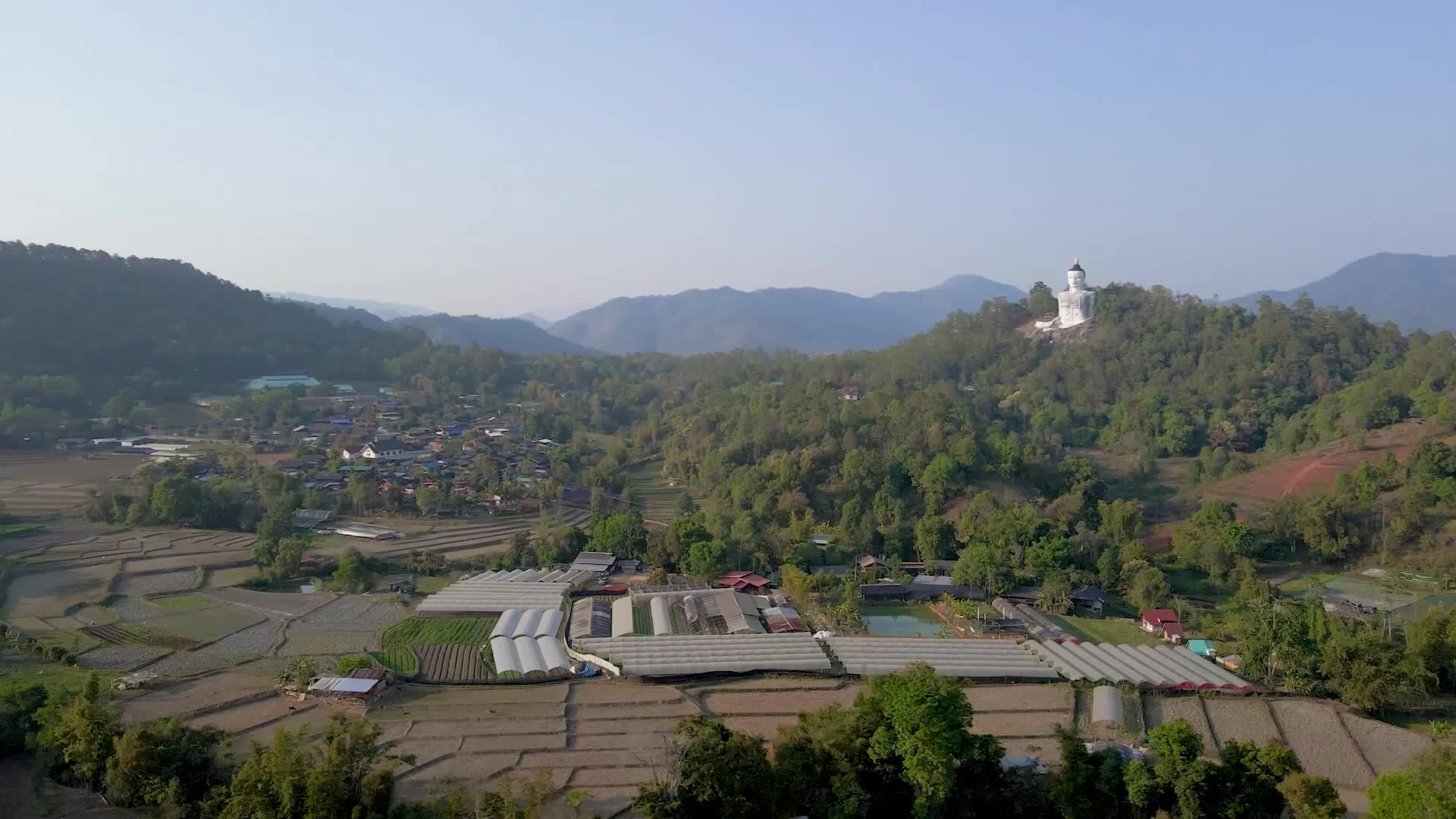

A new project in Thailand is helping smallholder farmers boost their yields, strengthen their livelihoods, and transform their farms into more resilient businesses.

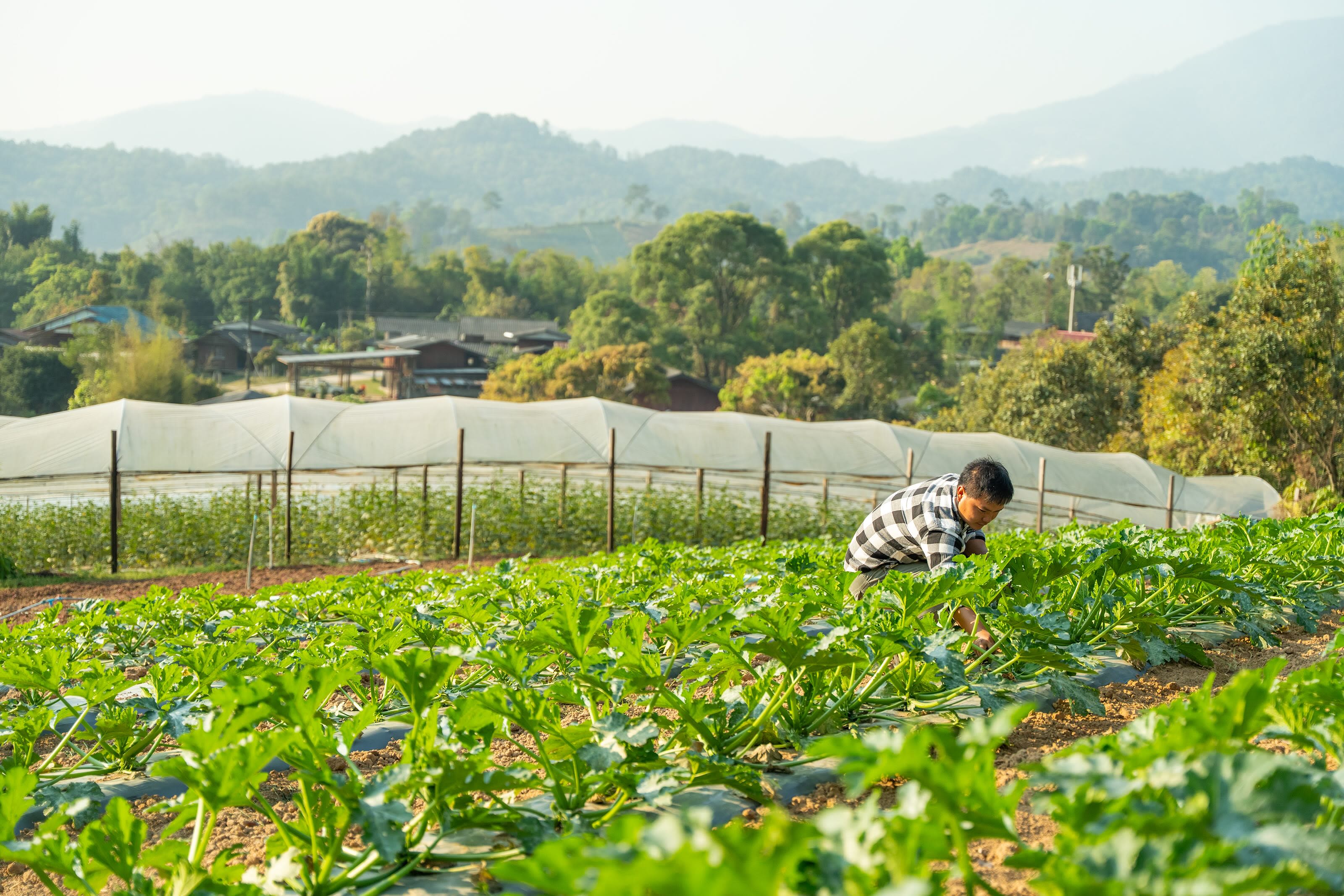

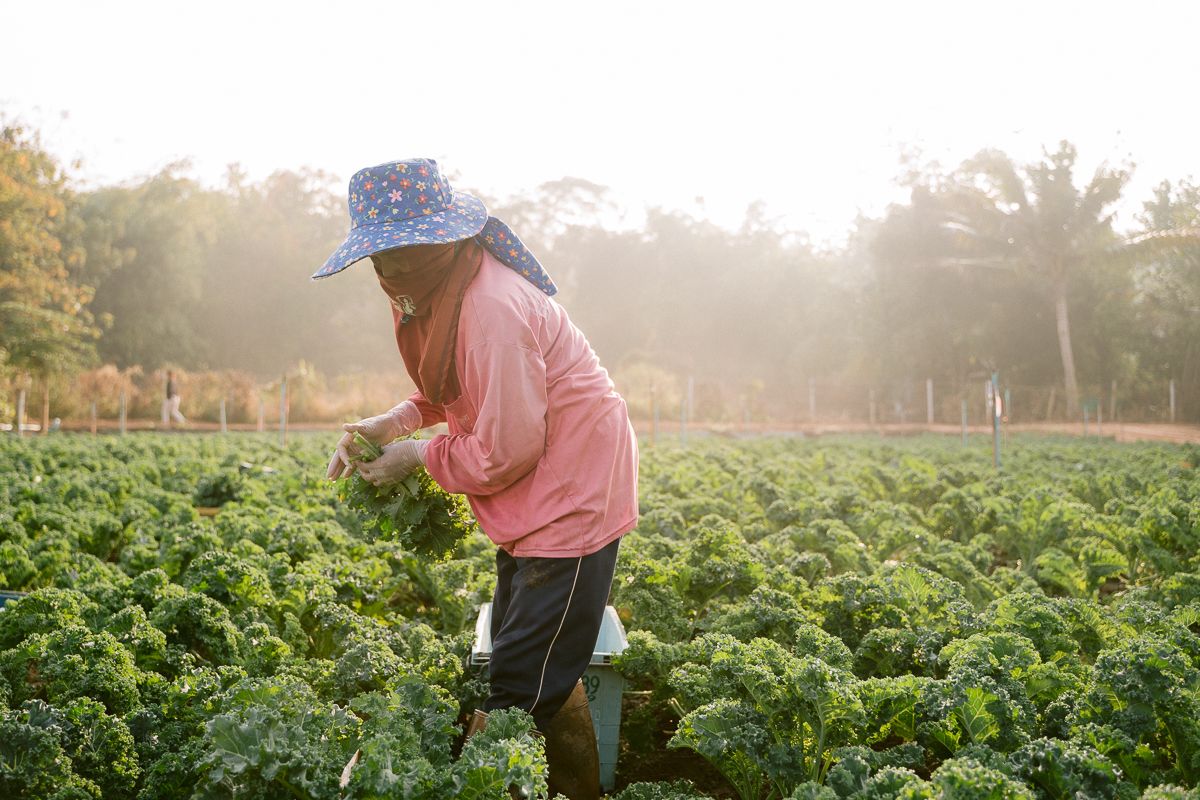
Chiang Mai, in northern Thailand, is part of the country’s agricultural heartland.
With fertile soils and a favorable climate, the area is the perfect place for smallholder farmers to grow leafy greens, vegetables and other high-value crops.
But farmers in the region also face tough challenges. Highlighting the ways in which low incomes, unpredictable weather, pests and plant diseases can leave farmers searching for solutions, two female growers from Chang Mai explain the issues they’ve faced over the years.
"I've been farming all my life," says Penchan Sonthikul, "but there have been many challenges with diseases, pests, the weather, and soil problems - I wasn't sure how to manage them or what products to use.”
Rattana Sommatha says: “I have been a vegetable farmer for more than 20 years. The main challenge for farmers is the weather. Sometimes it’s too dry, sometimes there’s too much rain, and that causes many plant diseases.”

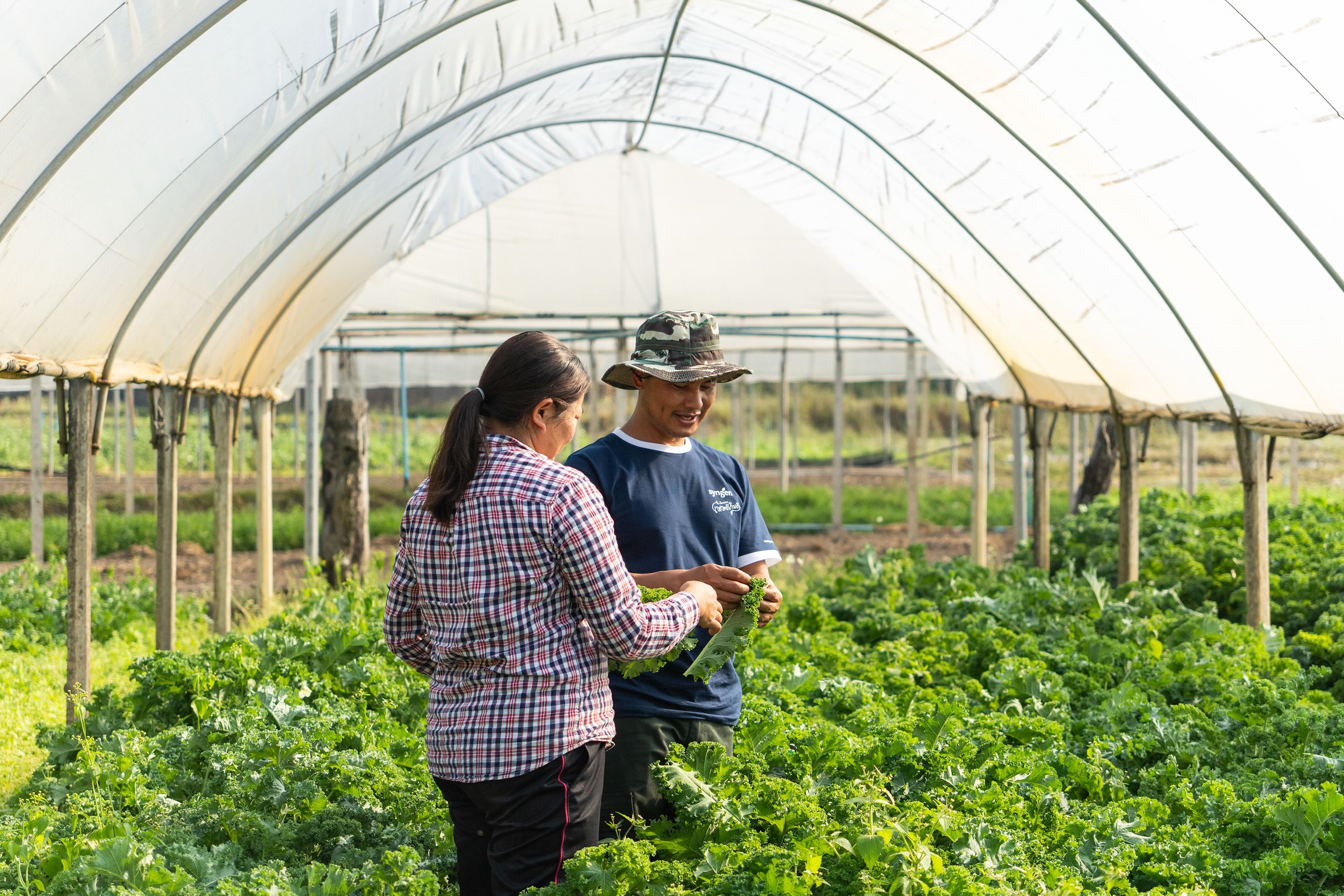

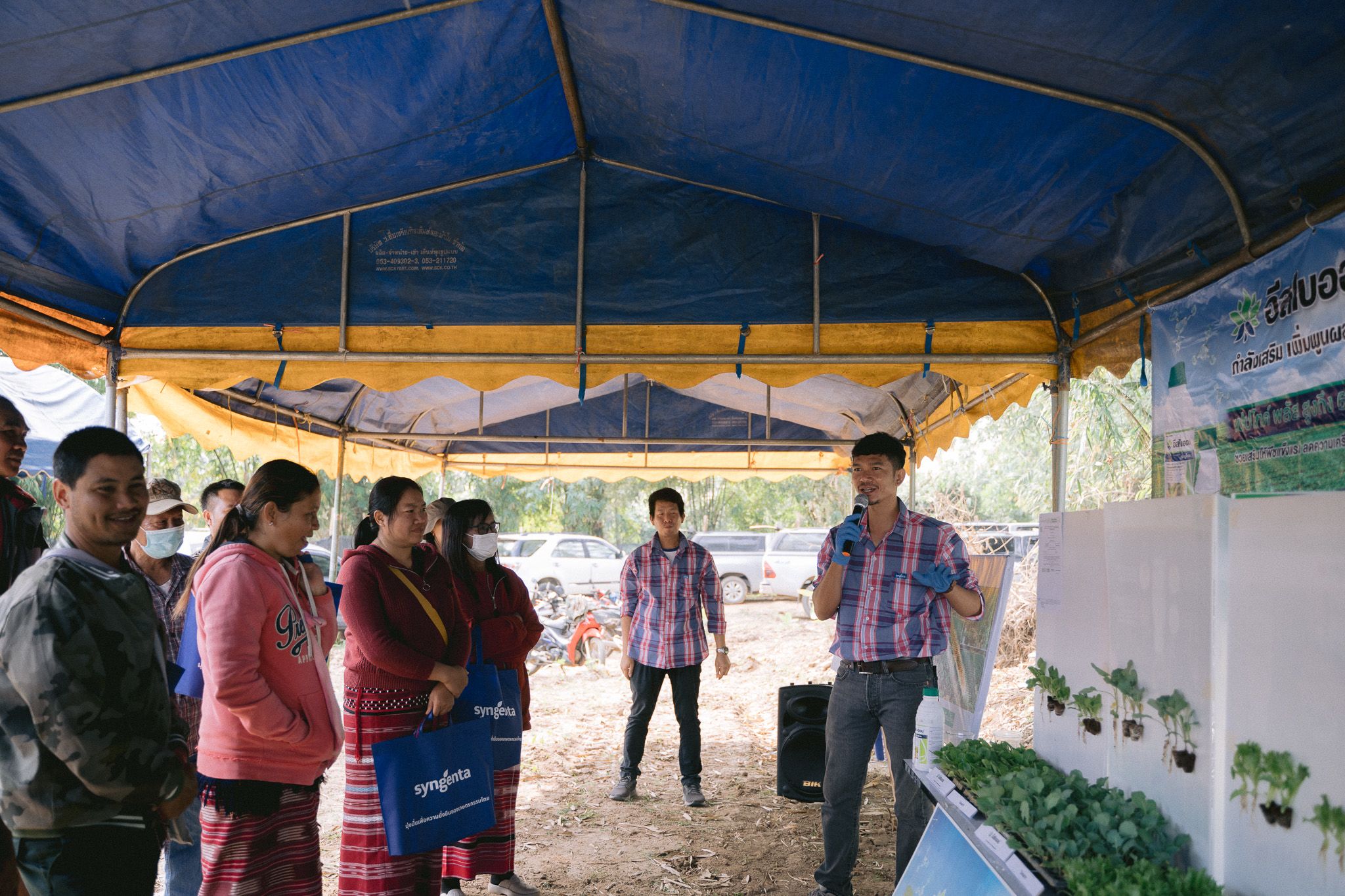
But a new project is taking root in the country, empowering local smallholder farmers and helping them overcome these challenges.
The Grow Well Eat Well program is a partnership between Syngenta Thailand, the Raks Thai Foundation and local governmental authorities to provide practical knowledge, technical support, and market connections.


Grace Nuchniyom, Syngenta General Manager, Thailand.
Grace Nuchniyom, Syngenta General Manager, Thailand.
Grace Nuchniyom, Syngenta General Manager for Thailand, says: “We wanted to make a real impact by working closely with farmers to address the challenges they face. That’s how the Grow Well, Eat Well program was born. By supporting Good Agricultural Practices (GAP), we are helping farmers improve food safety and quality, access more stable markets, and build stronger, more secure futures for their families and communities.”
By offering hands-on training in crop protection strategies, pest management, soil improvement, and modern farming practices, farmers are gaining the skills they need to improve productivity and reduce losses.

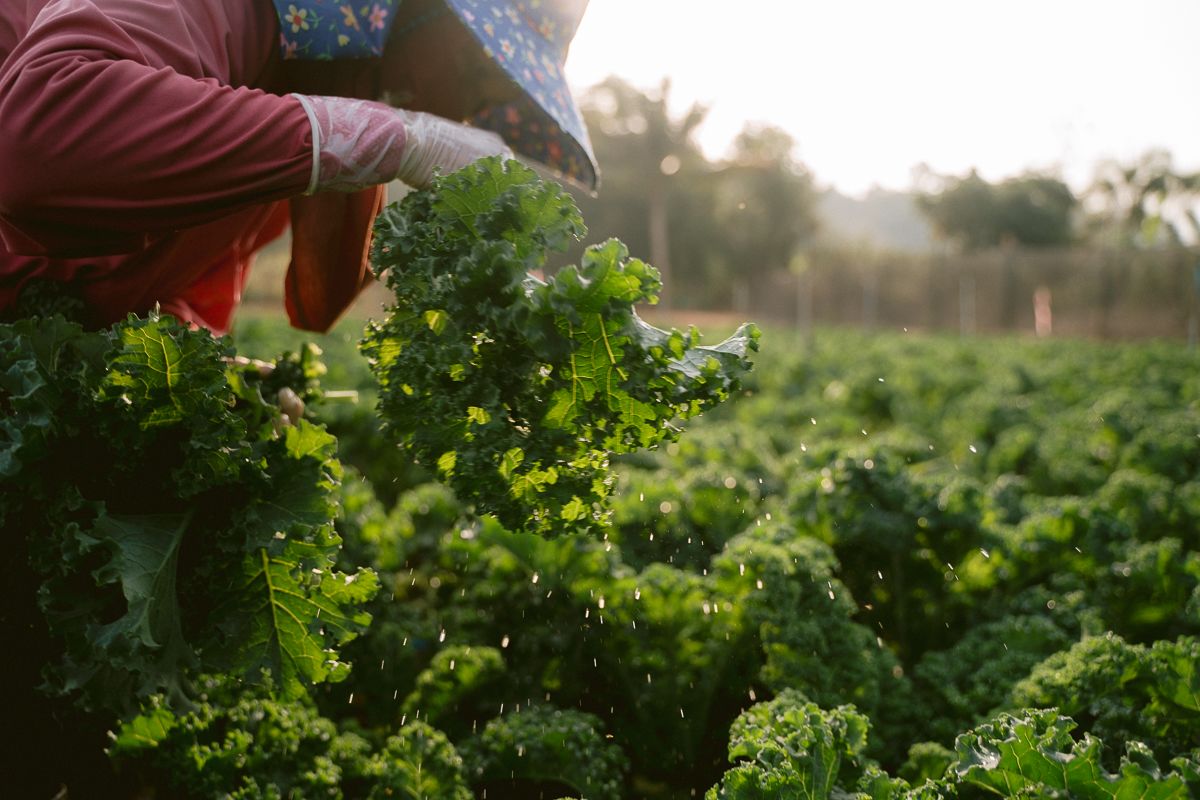
“Through the Grow Well Eat Well project, I learned proper crop protection techniques and have improved my soil. In the past we didn’t sell much, but with this program, we now have access to markets and that helps farmers sustain their livelihoods," Sonthikul adds.

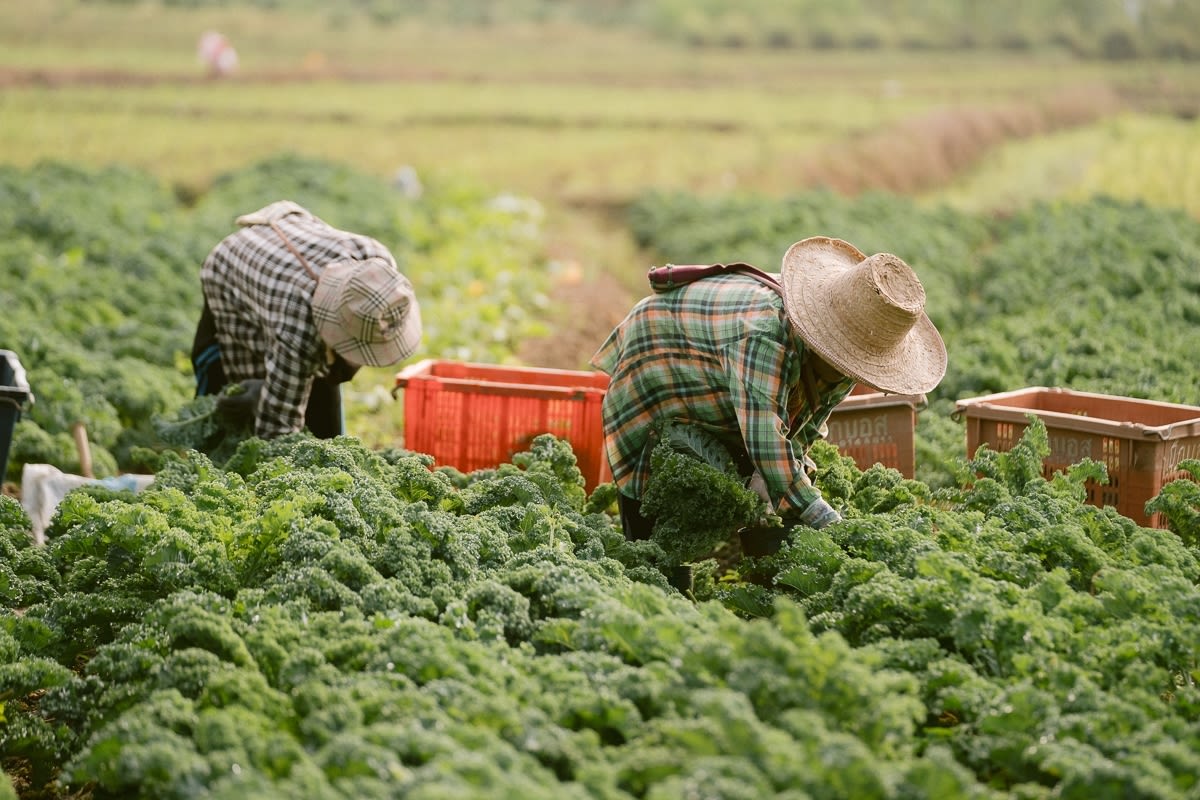
Through the Grow Well, Eat Well program, farmers are gaining the skills they need to improve productivity and reduce losses.
Through the Grow Well, Eat Well program, farmers are gaining the skills they need to improve productivity and reduce losses.
But it doesn’t stop there. The Grow Well, Eat Well project also connects farmers to the wider agricultural value chain, enabling production that is better aligned with market demand while strengthening food safety across the country.
Sumalee Duangjin is another farmer in Chang Mai who has benefitted from the program.
“I had no idea about demand, I’d be lucky if my crops sold, if it wasn’t it would just be thrown away.” But thanks to the Grow Well, Eat Well project, she says: “My passion came back, I want to grow more produce.”

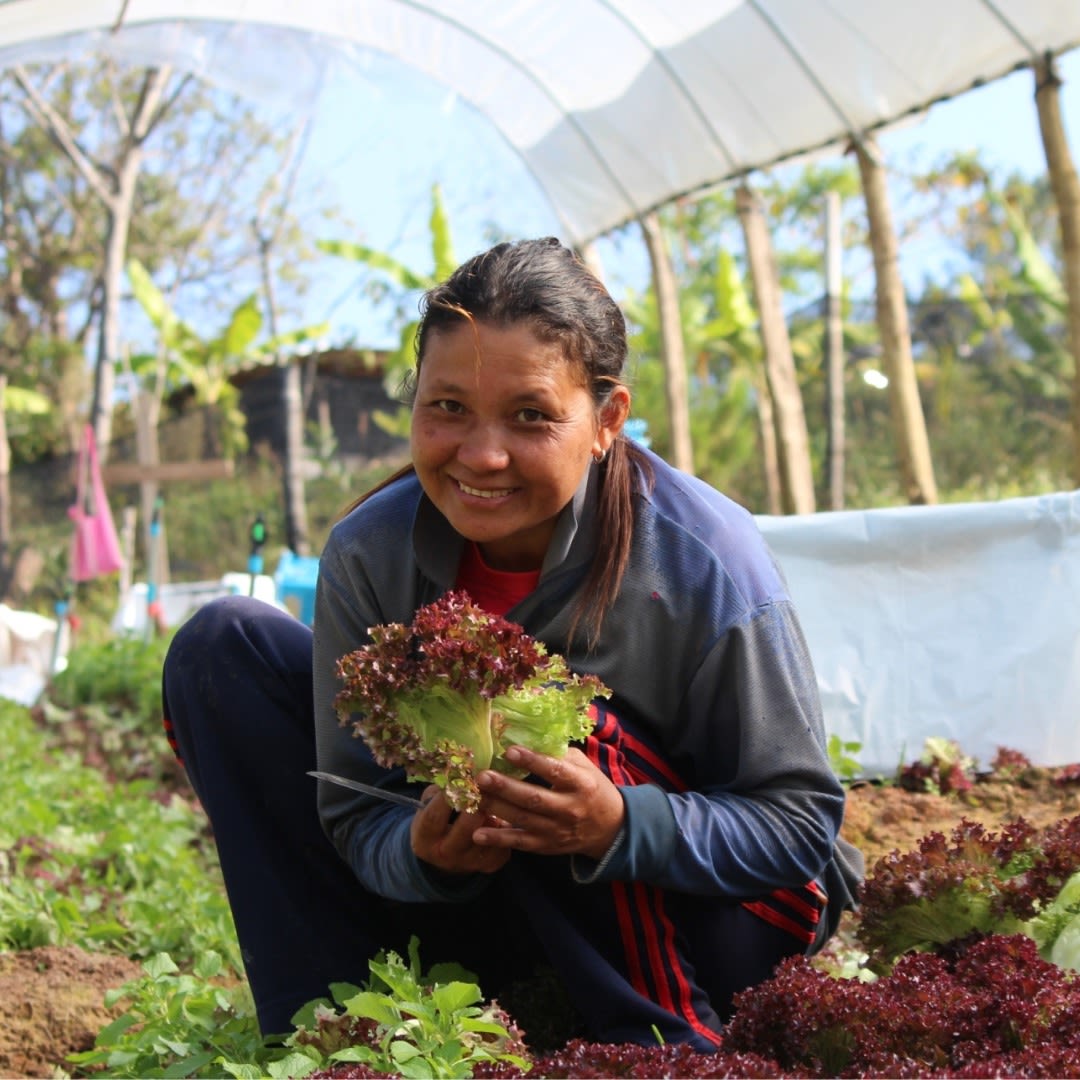
Sumalee Duangjin farms in Chang Mai.
Sumalee Duangjin farms in Chang Mai.
Sumalee Duangjin is another farmer in Chang Mai who has benefitted from the program.
“I had no idea about demand, I’d be lucky if my crops sold, if it wasn’t it would just be thrown away.” But thanks to the Grow Well, Eat Well project, she says: “My passion came back, I want to grow more produce.”
Sumalee Duangjin farms in Chang Mai.
Sumalee Duangjin farms in Chang Mai.
In its first year, more than 500 local smallholder farmers participated in Grow Well, Eat Well. The project isn’t just about training for productivity, it also helps raise standards for farmers. Over the past two years, nearly 300 GAP certifications have been achieved under the program, reflecting strengthened food safety standards, improved quality assurance, and enhanced farm management practice among participating farmers.

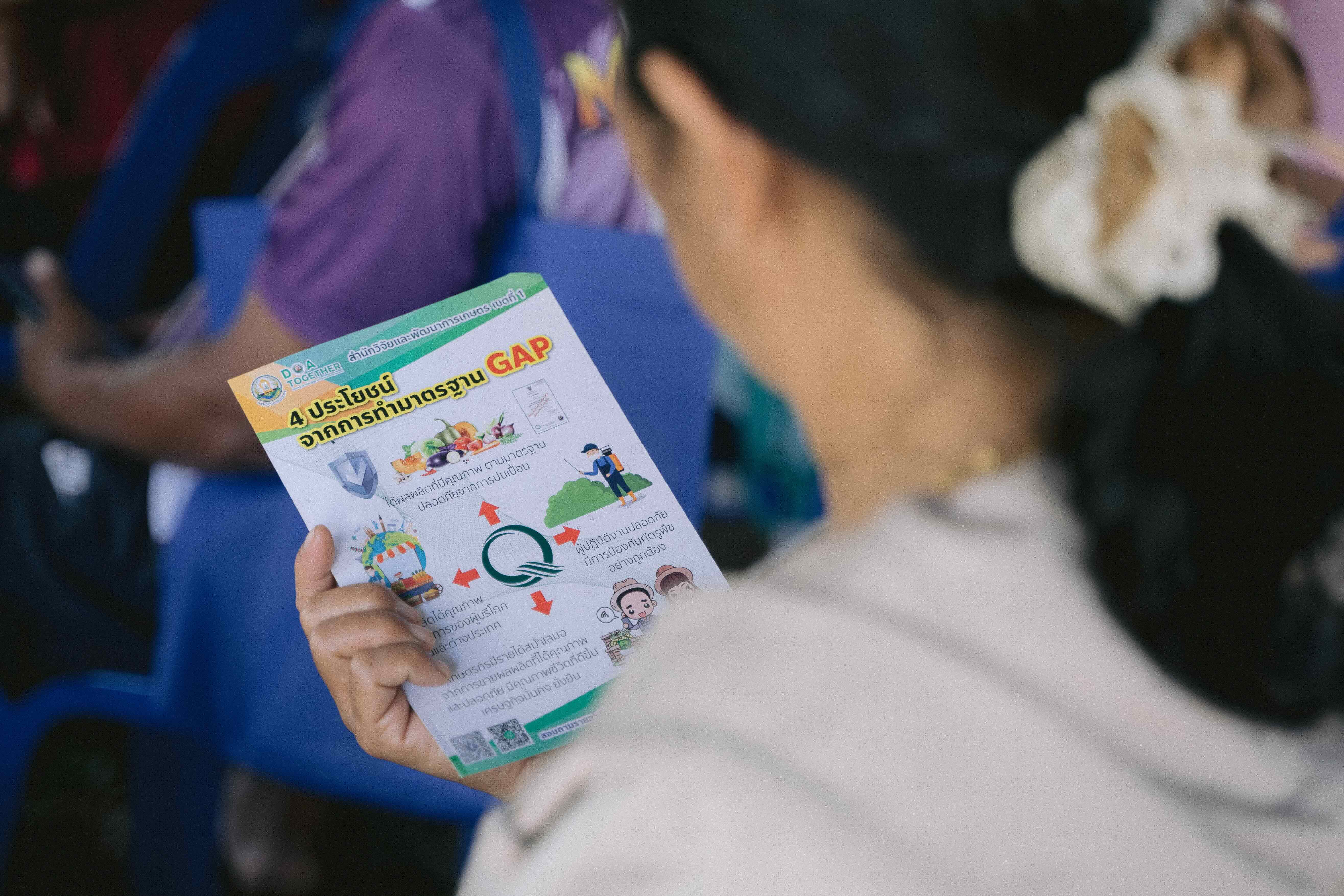
Achieving GAP certification means growers can access larger domestic markets and increase future international trade opportunities.
Achieving GAP certification means growers can access larger domestic markets and increase future international trade opportunities.
Manop Samranrakjai is an operations officer for the Raks Thai Foundation. He says: “Changing decades-old farming practices hasn’t been easy. But with support from Syngenta’s experts, we can clearly see how much progress farmers have made.”
GAP certification is more than just a compliance document. It’s a set of standards that ensures the safety and quality of farmer produce. This enables farmer access to larger domestic markets and opens the door to future international trade opportunities.
Local farmers are already reaping the benefits of the program. Samran Rattanchaiprasit is head of a local community enterprise group in Chang Mai and says the program has introduced farmers to modern agricultural approaches.
“We had the opportunity to learn directly from skilled experts who guided us on modern farming practices,” he says.
Pissamai Preuksachimplee is also part of the same community enterprise group and agrees with the positive impact that the project has had. She says: “The program has taught me many things. They support us in building our market and even help us manage plant diseases.”
Thanks to this new knowledge and training, farmers can make greater profits and put more money back into their operations. Inspired by others’ success, Preuksachimplee decided to fully commit to farming.
“Since joining the program, we have invested our profits in greenhouses,” she says. Her farm now has nine greenhouses, and she’s been able to take up farming full-time thanks to the expansion of her business.
Wannaporn Wattanakasemsat, Head of Sustainability and Corporate Affairs at Syngenta Thailand, says: “We aim to empower Thai farmers to produce nutritious, high-quality, and safe food that meets consumer needs. By collaborating with farmers and partners, we are fostering a positive transformation in the agricultural sector and improving farmers' livelihoods.”

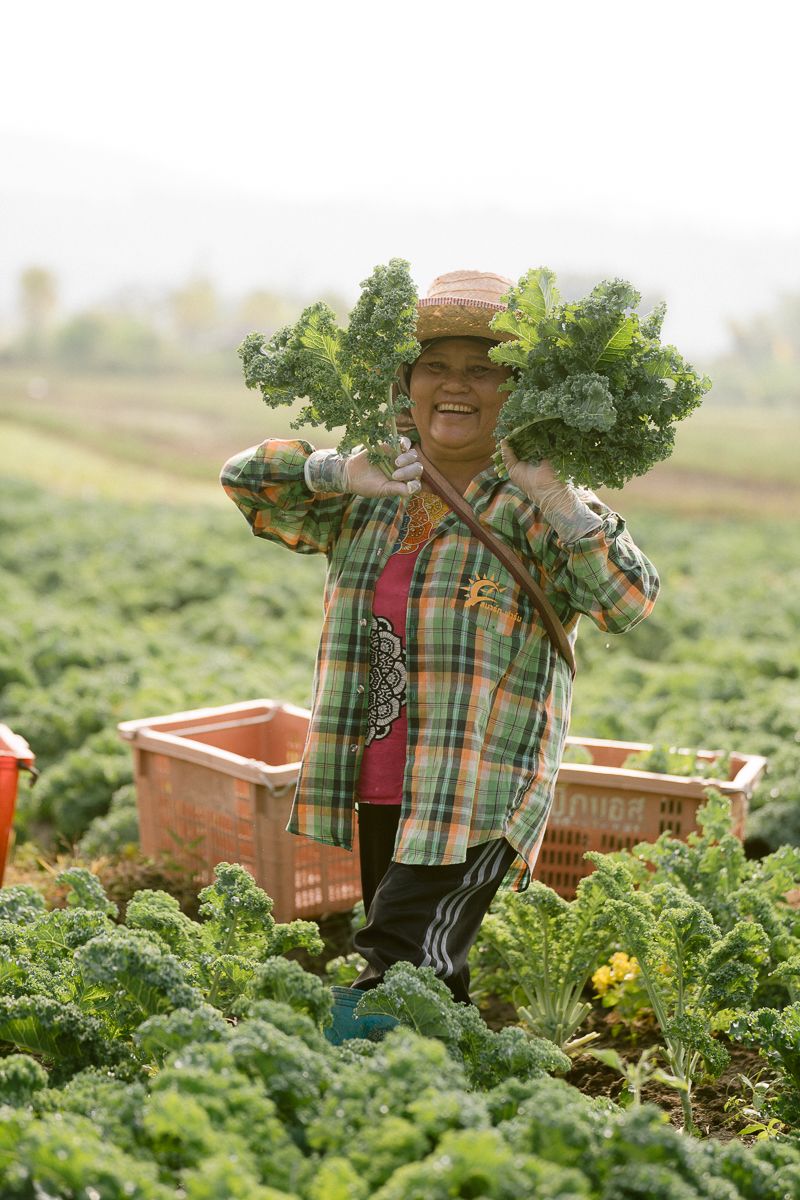
The Grow Well, Eat Well program means farmers can make greater profits and put more money back into their operations.
The Grow Well, Eat Well program means farmers can make greater profits and put more money back into their operations.

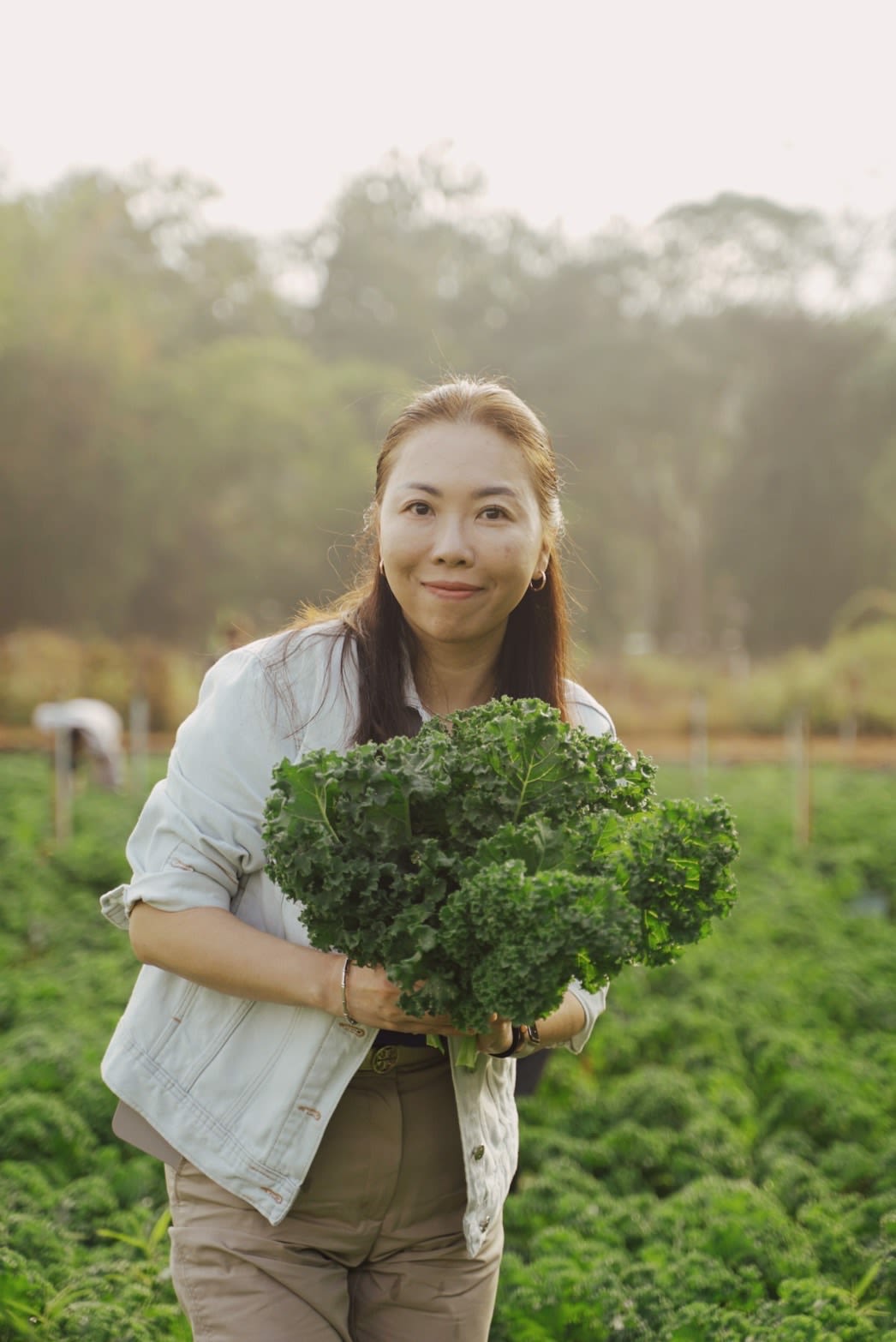
Wannaporn Wattanakasemsat, Head of Sustainability and Corporate Affairs, Syngenta Thailand.
Wannaporn Wattanakasemsat, Head of Sustainability and Corporate Affairs, Syngenta Thailand.
Local farmers are already reaping the benefits of the program. Samran Rattanchaiprasit is head of a local community enterprise group in Chang Mai and says the program has introduced farmers to modern agricultural approaches.
“We had the opportunity to learn directly from skilled experts who guided us on modern farming practices,” he says.
Pissamai Preuksachimplee is also part of the same community enterprise group and agrees with the positive impact that the project has had. She says: “The program has taught me many things. They support us in building our market and even help us manage plant diseases.”
Thanks to this new knowledge and training, farmers can make greater profits and put more money back into their operations. Inspired by others’ success, Preuksachimplee decided to fully commit to farming.
“Since joining the program, we have invested our profits in greenhouses,” she says. Her farm now has nine greenhouses, and she’s been able to take up farming full-time thanks to the expansion of her business.
Wannaporn Wattanakasemsat, Head of Sustainability and Corporate Affairs at Syngenta Thailand, says: “We aim to empower Thai farmers to produce nutritious, high-quality, and safe food that meets consumer needs. By collaborating with farmers and partners, we are fostering a positive transformation in the agricultural sector and improving farmers' livelihoods.”

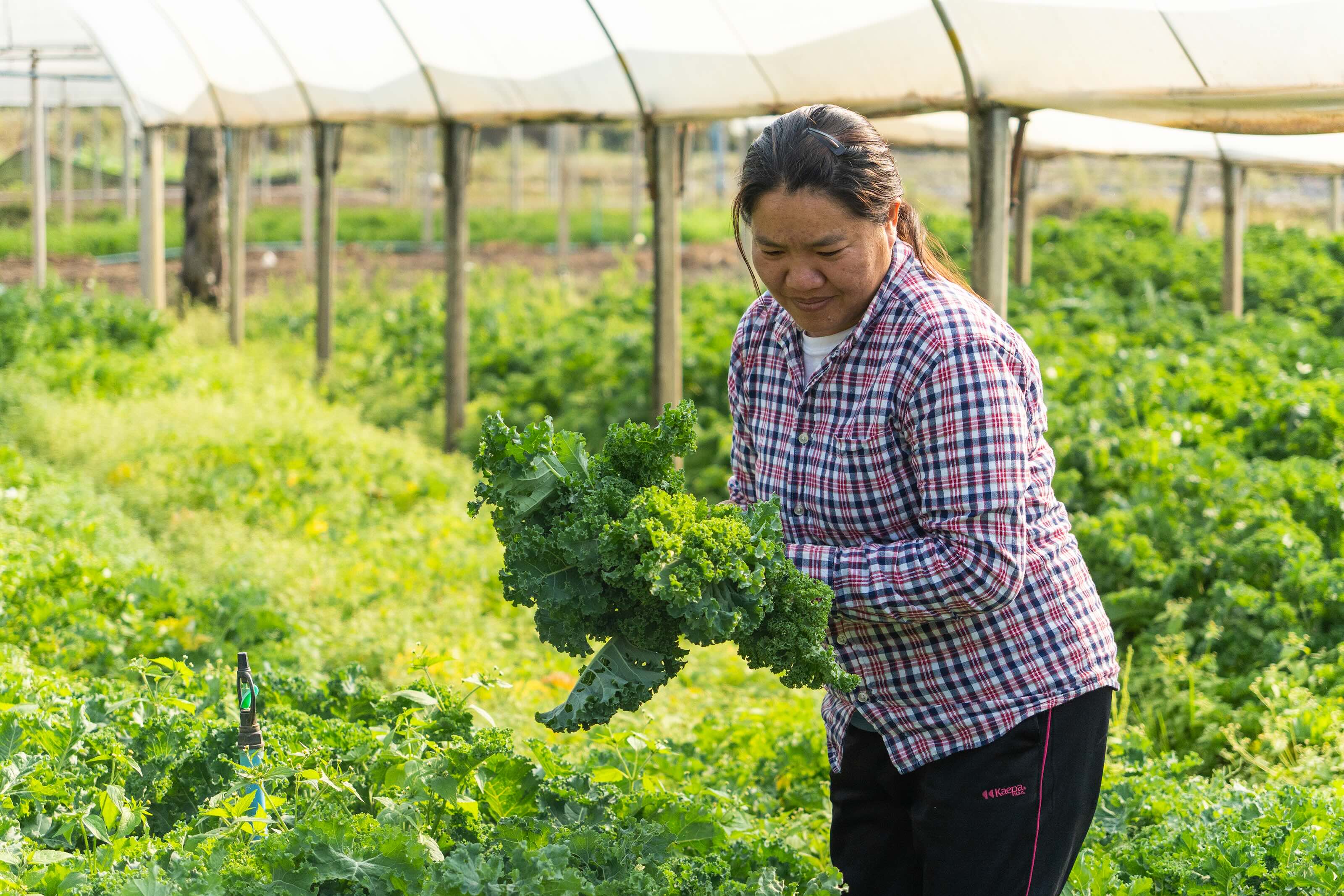
The Grow Well, Eat Well program means farmers can make greater profits and put more money back into their operations.
The Grow Well, Eat Well program means farmers can make greater profits and put more money back into their operations.
Wannaporn Wattanakasemsat, Head of Sustainability and Corporate Affairs, Syngenta Thailand.
Wannaporn Wattanakasemsat, Head of Sustainability and Corporate Affairs, Syngenta Thailand.
The project has been implemented across more than 250 hectares of farmland, demonstrating scalable impact, with expansions planned to more regions across the country.
Paul Luxton, Syngenta’s Head of Asia, says: “Syngenta Thailand is a leader in the industry that really cares about the farmers we work with, and how we can help those farmers make practical changes to their programs to allow them to be more profitable and to have a more sustainable future.”
Watch the video to find out more about the Grow Well, Eat Well program.