
Carbon sequestration is the act of capturing carbon dioxide (CO2) from the atmosphere and storing it in plants, soils, and the ocean.
As CO2 is one of the main greenhouse gasses associated with global warming, capturing and storing it in a stable way helps to mitigate climate change.
And it can play a vital role in offsetting emissions. As some sectors, especially energy-intensive industries, are more difficult to decarbonize, carbon sequestration can play a role in offsetting these emissions until alternatives are found.
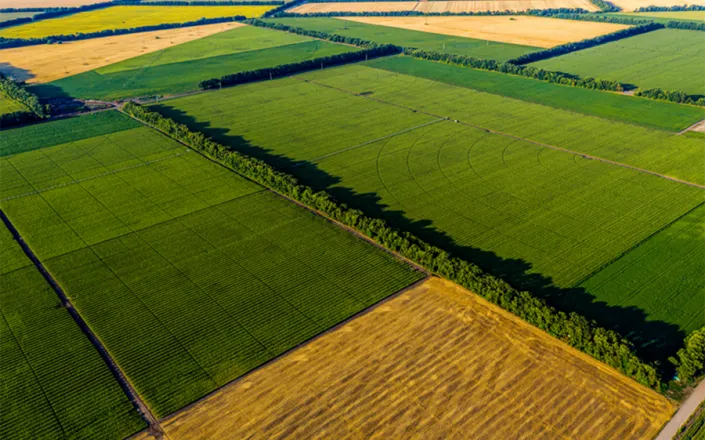
We work with farmers to feed a growing global population while ensuring agriculture becomes a climate solution, regenerating soil and nature. Carbon sequestration is just one way we can help farmers to offset their emissions while growing healthy, reliable yields.
What are the four types of carbon sequestration?
The four types of carbon sequestration are biological carbon sequestration, ocean carbon sequestration, geological carbon sequestration, and technological carbon sequestration.
Biological carbon sequestration
Nature itself has the ability to capture and store carbon in what’s known as biological carbon sequestration.
Photosynthesis is an example of this process. When plants are exposed to sunlight, they covert CO2, water, and minerals, into chemical energy and organic compounds.
Because of this ability, large natural areas such as forests, wetlands, and grasslands, are often called carbon sinks - as they absorb more carbon from the atmosphere than they release. Bogs, peatlands, and swamps can also store a large amount of CO2 for a long time.
Agricultural soils also share this ability. However practices such as tilling, which disturbs the soil, can release this stored carbon into the atmosphere.
Ocean carbon sequestration
This involves storing carbon dioxide in the earth’s oceans. Naturally, our oceans absorb about a quarter of the CO2 from the atmosphere - but there are ways we can enhance this process.
There are two methods for this: the ocean fertilization method and the direct injection method.
The ocean fertilization method involves adding nutrients, like iron, to the surface of the ocean. This stimulates the growth of the phytoplankton and microscopic plants that use photosynthesis to absorb CO2 from the atmosphere – supercharging the amount of carbon that can be absorbed and stored. Then, when these tiny microbes and plants die, they sink to the ocean floor, along with the carbon they’ve removed from the atmosphere.
Meanwhile the direct injection method, as the name might suggest, involves capturing CO2 and then injecting it deep into the ocean. The high pressure and low temperature of this environment ensures the carbon is then safely stored for decades.
Geological carbon sequestration
This is similar to the ocean direct injection method of carbon sequestration, but the captured carbon is instead stored in porous rock formations.
Once captured, the CO2 is compressed and injected into rocks, typically one-to-two-and-a-half kilometers underneath the Earth’s surface. There, it can be safely stored for millennia.
Technological carbon sequestration
Advances in technology have widened the scope for human-engineered methods to enhance carbon sequestration. These technologies mean we can now try to remove CO2 directly from the carbon cycle, preventing their release into the atmosphere – bypassing the need to capture these emissions later by other means.
An example of this is Carbon Capture and Storage (CCS), which encompasses the end-to-end process of collecting, transporting, and storing carbon.
CO2 is captured directly from major sources, such as factories and power plants, and compressed. It is then transported, typically through pipelines, to geological storage sites. These sites include reservoirs deep in the earth’s crust, where the carbon can be stored indefinitely.


Planting extra trees
Like plants, trees and hedgerows use photosynthesis to capture and store carbon. The higher the number of plants and trees in an area, the more carbon that can be sequestered. By planting more trees and hedgerows and tending to forests or woodlands on their land, growers can dramatically increase the carbon sequestration capabilities of their farms.
Soil health management
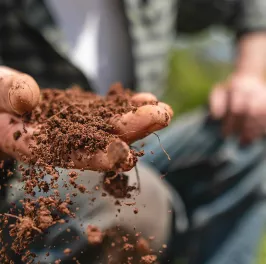
Some practices that enhance soil health also boost its ability to capture and store carbon. The healthier the soil, the faster plants can pump carbon from the atmosphere to the ground.

Peatlands
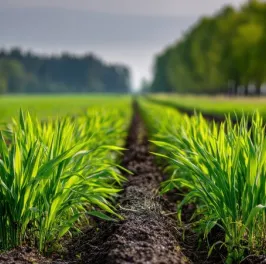
These unique ecosystems should be preserved or restored where possible. As well as playing an essential role in supporting plant life and biodiversity, these habitats can also store large amounts of carbon. Conversely, when they are drained or degraded, this carbon is then released into the atmosphere, just as it is in deforestation.
Carbon sequestration is just one of the ways we work with farmers to ensure that the food that feeds the world can also help improve it.
Guided by our Sustainability Priorities, we’ve embedded these principles across every aspect of our business. And we’re committed to holding ourselves accountable too, reducing the environmental impact of our supply chain while keeping farmers at the heart of our work.
What is the difference between carbon sequestration, carbon sinks, and carbon removal?
Carbon sequestration is the process of capturing CO2 from the atmosphere and then storing it in a safe place.
A carbon sink is a potential holding place to store this carbon. These are natural environments that store more carbon than they release – such as oceans, forests, and wetlands.
Carbon removal, also called direct air capture, is the extraction of CO2 already in the atmosphere - whereas carbon sequestration captures and then stores this carbon, thereby mitigating the impacts of climate change.
What are the benefits of carbon sequestration?
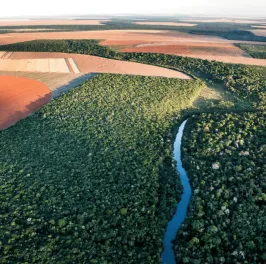
Mitigating climate change
Reducing the overall amount of CO2 in the atmosphere means there is less to contribute to the greenhouse effect, which is one of the causes of global warming. Technological carbon sequestration also helps limit global warming by storing CO2 before it is released into the atmosphere, preventing its contribution to climate change.
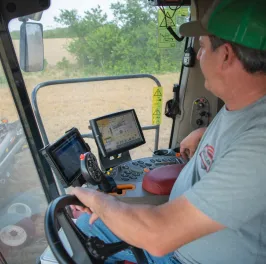
Boosting productivity
As farmers increase soil health - specifically the quantity and quality of soil organic matter and biological activity – their yields tend to increase.
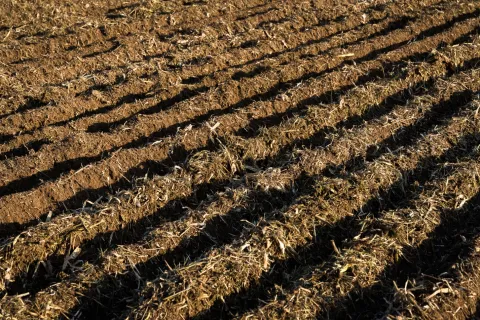
Practices that tend to improve soil health include conservation tillage, cover cropping, and diversified crop rotations.
Image
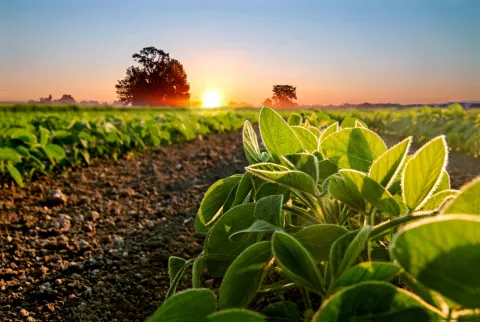
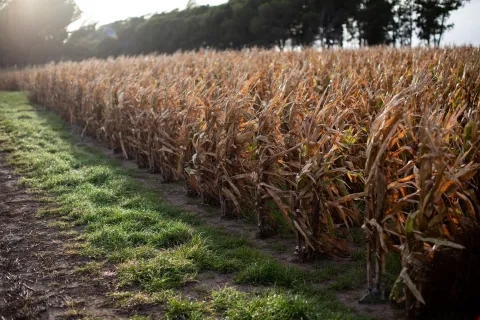
Diversified crop rotations
Adding more crop species and varying crop types in sequence - has clear, consistent benefits for yield, profitability, and soil health. Research shows that diversified rotations increase crop yields and profits, improve soil health indicators, and enhance system resilience compared to simple or continuous monoculture systems.
Systems with greater crop diversity show higher profits - on average, 20-37 percent more than less diverse rotations - due to both higher yields and reduced input costs (e.g., fertilizer, irrigation).
Systems with greater crop diversity show higher profits - on average, 20-37 percent more than less diverse rotations - due to both higher yields and reduced input costs (e.g., fertilizer, irrigation).
The bottom line
Let’s not forget about profitability - if it’s not profitable, why do it?
Conservation and strip tillage, especially when combined with cover crops, generally improve farm profitability by reducing costs and often increasing or maintaining yields. For example, a study found that a no-till plus cover crop system reduced cash crop production costs by 43 percent compared to conventional tillage, providing a clear, short-term economic incentive.
These practices offer a positive return on investment, particularly when adopted for the long term and managed appropriately for local conditions.
Our sustainability stories