Image

Weed management in agriculture is important because weeds compete with crops for the same essentials: light, water, nutrients and space, and that competition can reduce both the overall yield and crop quality. Weeds also act as hosts for pests and pathogens, adding extra pressure to fields that are already working hard to manage weather, nutrition and disease challenges.
Good weed management is not just about making a field look clean. It is about protecting the crop’s ability to establish well, use all inputs efficiently, and reach its full production potential.
Effective weed management also protects future harvests, not just the current season. When weeds survive long enough to shed seed, they add to the soil seedbank. This is the reserve of weed seeds in the soil that drives future weed infestations. That is why strong weed management in agriculture aims to do two things at once: reduce weed competition today and stop tomorrow’s weed problem from building.
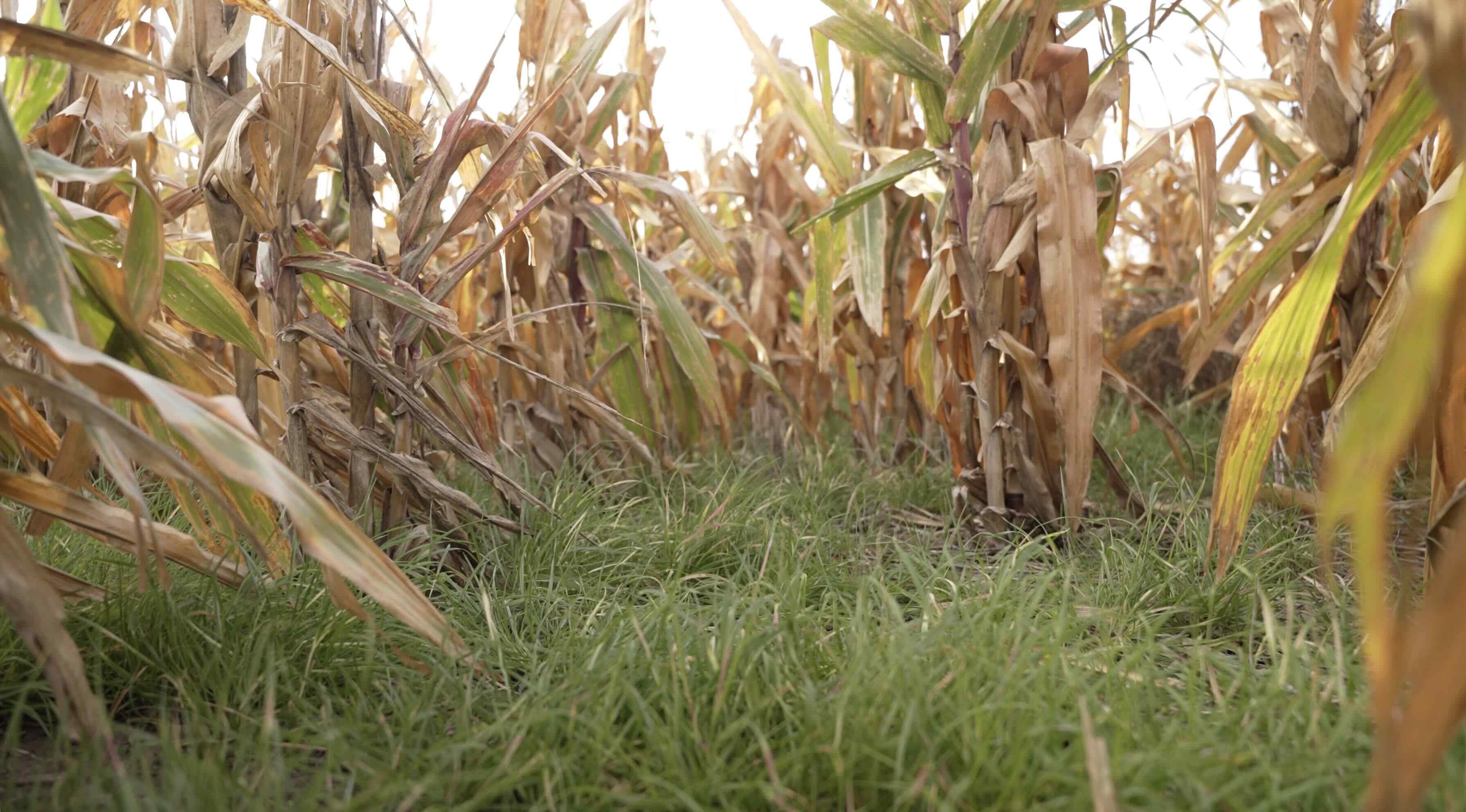
Weeds, like the ryegrass in this corn field, pose a constant challenge to farmers' yields.
Why weeds are a threat starts with their biology. Many weed species are highly adaptable, produce large numbers of seeds, and establish quickly in cultivated fields where soil is disturbed and plenty of nutrients are available.
Some species spread mainly by seed, while others can also regrow from roots or other underground structures, making them harder to remove completely. Weeds can spread through fields via crop seed, hay, compost, manure, irrigation water, machinery or neighboring land, so the threat doesn’t just come from inside the field but also around it.
Weeds become an even bigger threat when the same control method is repeated too often. For example, regular use of the same herbicide mode of action can accelerate the development of resistant populations, making future control less reliable, and narrowing the options for weed management over time.
In other words, weeds are a threat because they compete for resources today, they can spread and multiply tomorrow, and they can adapt long term if they are not managed strategically.
Some of the most invasive weeds are species that grow aggressively, spread quickly and produce hundreds of thousands of seeds from a single plant. Many of them have also developed resistance to some of the most common control methods.

Integrated weed management (IWM) is a practical approach that combines several weed control methods instead of relying on a single solution. Put simply, IWM brings together prevention, accurate weed identification, farming practices (such as crop rotation and cover crops), mechanical methods (such as cultivation or mowing), and carefully chosen herbicides applied where they are needed and can be most effective.
The goal is to make the whole farming system less favorable to weeds while mitigating the risk that one tactic will be overused.
IWM is important because no single method works on every weed, every crop, or across every season. An integrated program helps keep weed pressure below damaging levels, improves consistency when conditions change, and reduces the selection pressure that drives herbicide resistance.
This cycle can help form the practical backbone of effective weed management: plan early, prevent weeds from spreading, act on time, and keep refining different tactics field by field, and season by season.

Accurate weed identification is vital for effective weed management. Different weed species will naturally respond differently to cultural practices, mechanical control methods and herbicides, so identifying the right weed as soon as possible can improve control decisions and reduce unnecessary costs. Successful weed management begins with understanding which species are present and how they grow.
When identifying weeds in the field, farmers should consider different characteristics:
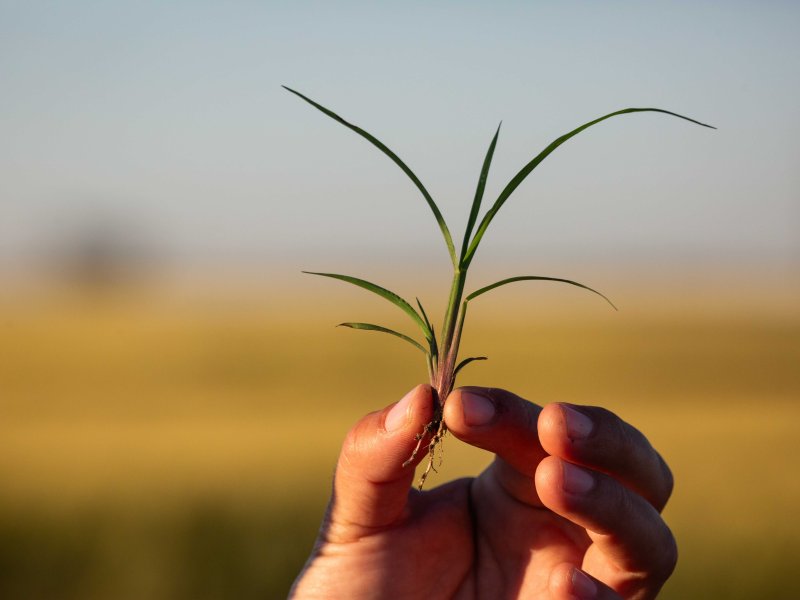
It is also important to identify weeds at the seedling stage, when control is usually easier and more cost-effective. Many weeds become harder to control as they grow larger or develop extensive root systems. Regular scouting throughout the season helps farmers detect new infestations early and choose the most appropriate management strategy.
The weeds that appear in a field are influenced by a combination of environmental conditions, farming practices, and the existing weed seedbank. Understanding these factors helps farmers anticipate likely problems and develop proactive, rather than reactive, management plans.
One of the biggest influences is the weed seedbank — the reserve of weed seeds already in the soil. Seeds can survive for years and emerge when conditions become favorable. Previous weed infestations often shape the future weed population.
A few other important factors include:
In practice, weed populations are rarely random. They are usually a reflection of field history, management decisions and environmental conditions. Understanding these relationships is a key part of IWM.
Advances in artificial intelligence (AI), computer vision and machine learning are creating new opportunities for faster and more accurate weed identification.
These technologies analyze images collected from smartphones, drones, robots or field sensors and compare them with large image databases of known weed species.
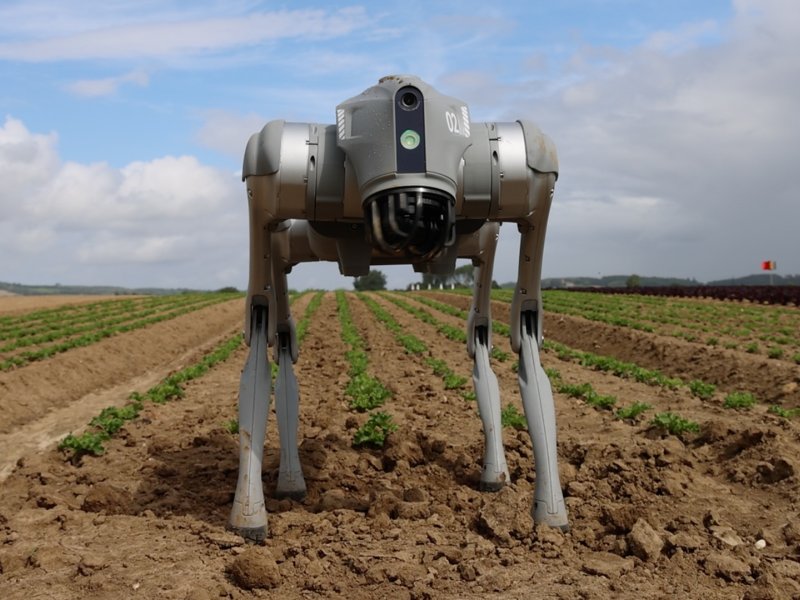
Modern AI system use extends beyond identification and can help farmers by:
AI isn’t a replacement for agronomic expertise but can be a valuable tool to support decision making. The most effective approach combines human experience with digital technologies, allowing farmers to make better-informed decisions within an IWM program.

The most effective weed control strategies do not rely on a single timing. Instead, successful weed management in agriculture combines actions before planting, at planting and after emergence, with the goal of controlling weeds before they can compete with the crop.


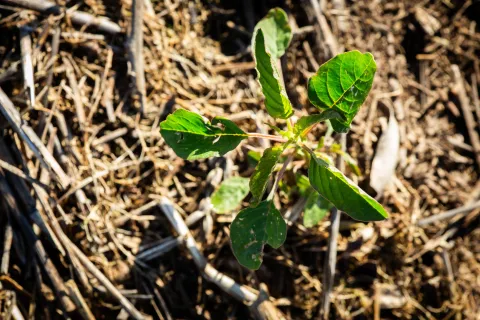

Effective weed control depends upon several factors, from the type of weed pressure to the conditions on farm. Therefore, efficacious control depends on multiple tactics that include cultural and preventative practices such as good field hygiene, mechanical methods like tillage, biological controls, and chemical intervention with herbicides when necessary. Developing a successful weed control strategy requires careful planning and a broad range of tactics.
Preventing a problem is often the most effective weed management strategy and far better than having to manage an established infestation. Once weeds become established and add seeds to the soil, they can create problems for many years into the future. Preventing new infestations reduces both immediate weed pressure and the size of the future weed seedbank.
Good weed prevention starts with strong field hygiene. Weed seeds can be introduced through crop seed, feed, hay, compost, manure, irrigation water, machinery and even field traffic. Carefully cleaning equipment before moving it from one field to another can help prevent the spread of problematic weeds, particularly herbicide-resistant species. Additionally, managing field borders, fence lines, drainage ditches and non-cropped areas is equally important, as these areas can act as sources of new weed seed.
Cultural weed control focuses on creating conditions that favor the crops and make it harder for weeds to thrive. Rather than targeting weeds directly, these methods improve crop competitiveness and reduce opportunities for weed establishment. Cultural practices are a core component of IWM.
One of the most widely used cultural methods is crop rotation. Different crops have different planting dates, growth habits and management practices. Rotating crops disrupts weed life cycles and prevents individual species from becoming dominant. It can also allow farmers to use different weed control tools throughout the rotation.
Introducing cover crops can be another valuable practice depending on the farming operation. Species such as cereals, legumes and mixed cover crops can suppress weeds by shading the soil or competing for resources. Cover crops can also contribute to soil health and support broader regenerative agriculture goals.
No-till and reduced-tillage systems can also be helpful for the right operation. No, or low till systems can be useful for weed management by stifling weed germination. These systems can also help reduce soil disturbance, preserve soil structure, and work effectively when combined with other weed management tactics. However, it is important to note that no-till is a key component of regenerative agriculture but is typically a net negative for weed control. Small-seeded broadleaf weeds in particular tend to become a much bigger management challenge in no-till systems. For this reason, effective use of herbicides has been a key enabler of increased no-till adoption.
Additional cultural practices can include selecting competitive crop varieties, optimizing planting dates, increasing crop populations where appropriate, and using narrower row spacing to encourage faster canopy closure. A vigorous crop can shade emerging weeds and reduce their ability to compete.
The most successful weed management strategies combine several cultural practices together. By making fields less favorable for weeds but more favorable for crops, farmers can reduce weed pressure and improve the resilience and sustainability of their production systems.
Mechanical weed control uses physical methods to remove, bury, damage, or suppress weeds. It can be highly effective as part of an IWM program, particularly when weeds are small and conditions are suitable. Different mechanical options work best at different stages of the season, so timing is often just as important as choosing the right tool itself.
Tillage: Best before planting and for resetting heavy infestations. Tillage is one of the oldest forms of weed control. Primary tillage can eliminate many existing annual weeds before planting and help manage some perennial species by disrupting their growth. It is particularly effective when used to create a clean seedbed before the crop is established. However, excessive tillage can increase soil erosion, disturb soil structure and bring buried weed seeds back to the surface, where they may germinate. As a result, tillage is often most effective when used strategically rather than routinely.
Cultivation: Best when weeds are small. Inter-row cultivation is most effective shortly after weeds emerge and before they become established. Shallow cultivation can uproot or bury young weeds while minimizing disturbance to the crop. Many farmers aim to cultivate when weeds are still at the seedling stage, as control becomes more difficult once weeds develop larger root systems. Cultivation can be particularly valuable in row crops where equipment can operate between the rows without causing any damage to the crop itself.
Mowing: Best before weeds produce seed. Mowing is most useful for managing weeds in field margins, pastures, orchards, non-cropped areas and some perennial cropping systems. It can prevent seed production and reduce the spread of problem weeds. Repeated mowing can also weaken certain perennial weeds by gradually depleting their root reserves. However, mowing generally does not eliminate weeds and is less effective against low-growing species.
Flaming and thermal control: Best on very young weeds. Thermal weed control uses heat rather than cultivation to kill weeds. Flame weeders are most effective on small annual weeds before or just after emergence. The heat damages plant cells, causing the weed to die shortly afterwards. Thermal methods are commonly used in some vegetable crops and specialized production systems where cultivation is difficult.
Hand roguing: Best for removing resistant weeds. Hand roguing, (or manually pulling weeds), remains one of the most effective ways to deal with isolated patches, invasive species and herbicide-resistant weeds. While labor-intensive, it can prevent a small problem from becoming a large one. This approach is particularly valuable where individual plants can produce thousands of seeds and where complete removal is critical to prevent future infestations such as Palmer Amaranth.
Biological weed control uses living organisms to help suppress weeds rather than relying solely on mechanical cultivation or herbicides. It is an important component of IWM and can support regenerative agriculture goals by increasing diversity within the farming system.
There are three main types of biological weed control. The first is managed grazing, where animals consume weeds before they become established or produce seed. The second involves beneficial insects that feed on specific weed species and help limit their spread. The third uses naturally occurring plant pathogens, such as fungi, that infect and weaken target weeds. While insects and fungal biocontrol agents have been used successfully against selected invasive weeds in some regions, their use is typically species-specific and often depends on local environmental conditions.
Biological controls rarely provide complete weed control on their own. Their greatest value comes when they are combined with cultural, mechanical, and chemical tactics. As part of an IWM program, biological methods can help reduce weed pressure, improve system resilience and lower reliance on a single control strategy.
Goats have become one of the most widely recognized forms of grazing-based weed control because they readily consume many broadleaf weeds, shrubs and woody vegetation that other livestock avoid. They can be particularly useful in field margins, orchards, vineyards, non-cropped areas and difficult-to-access terrain where mechanical control is expensive or impractical.
One reason goats are preferred for this kind of weed management is their browsing behavior. Unlike cattle, which mainly graze grasses, goats feed on leaves, stems and woody plants. This makes them effective against brush, invasive plants and certain perennial weeds. Sheep can also provide valuable weed control, particularly on broadleaf weeds in pasture systems, while cattle may help suppress some grass weeds under appropriate management. The best choice depends on the target weed species, crop system and landscape.
For successful weed control, grazing should be timed before weeds set seed. Repeated grazing can weaken perennial weeds by reducing their ability to replenish root reserves. However, grazing is generally most effective when integrated with other weed management practices rather than using it as a standalone solution.
There are also important limitations. Using goats for weed control is suitable for pasture-based systems but is not suitable for arable farming. Additionally, animals may prefer some weeds over others, leading to uneven control. Overgrazing can damage desirable vegetation, expose soil to erosion and create opportunities for new weeds to establish. Some weed species are also toxic to livestock. In addition, grazing rarely eliminates established weed populations completely and may require multiple seasons to achieve meaningful suppression.
For these reasons, goats and other grazing animals are most effective as part of a broader IWM strategy.
Precision weed control, sometimes known as digital weed control, uses data, sensors, artificial intelligence (AI), computer vision and automation to detect, map and manage weeds more accurately. Instead of treating an entire field the same way, precision agriculture technologies allow farmers to target weeds only where intervention is needed.
Modern systems can use cameras mounted on tractors, drones, field robots or even smartphones to distinguish weeds from crops. Machine learning algorithms analyze these images and identify weed species, growth stages and infestation patterns.
Precision weed control can take several forms. Spot spraying systems apply herbicides only where weeds are detected. Robotic weeders can mechanically remove weeds between crop rows. The still developing field of laser weeding technologies use targeted energy to destroy individual weeds without disturbing surrounding crops.
Digital platforms like Syngenta's Cropwise integrate field scouting data, weather information and weed maps to improve planning and field monitoring.
The benefits are significant. Precision systems can reduce herbicide use, lower input costs, improve application accuracy and help farmers respond more quickly to emerging weed problems.
Farming has always relied on the human eye. Now, a new generation of computer vision technology is transforming how we analyze crops, detect weeds, and uncover just how much information can be captured in a single image.


A well-designed herbicide program begins with correct selection. Farmers should choose products based on the weed species present, crop requirements, growth stage and resistance risk. Different herbicides have different modes of action, levels of residual activity and target weeds, so understanding the weed population is essential before making an application decision.
Timing is equally important. Many weeds are easiest to control when they are small and actively growing. Delayed applications often result in lower levels of control because larger weeds are generally more difficult to manage. Pre-emergence herbicides can prevent early competition, while post-emergence applications are typically most effective when applied to young weeds before they become established.
Good stewardship is also critical. This includes following label recommendations, applying appropriate rates, avoiding unnecessary applications and integrating herbicides with non-chemical tactics such as crop rotation, cover crops and cultivation. These practices help preserve herbicide performance and reduce resistance risks.
Ultimately, herbicides work best when they are part of a broader strategy that seeks to minimize weed pressure throughout the season rather than relying on chemistry alone.
Herbicide resistance develops when weed populations evolve the ability to survive herbicide applications that previously would have controlled them.
Resistance is now one of the most significant challenges facing farmers worldwide, making prevention a critical part of sustainable weed management.
The most effective way to prevent resistance is to reduce reliance on a single weed control tactic. Repeated use of the same herbicide mode of action creates selection pressure that favors resistant plants. Over time, those survivors can become the dominant population in the field.
Several practical steps can help with resistant weeds:
One of the advantages of IWM is that it contributes to a long-term strategy for delaying the onset of resistance.
Innovation can also be a solution to the development of resistant weeds. The breakthrough of VIRESTINA™ technology represents the first new herbicide for resistant grass weeds in 40 years. Careful stewardship of this new technology means diverse management practices to protect the efficacy of a new technology for as long as possible.
VIRESTINA™ technology is a breakthrough herbicide bringing innovative, next-generation grass weed control to Latin American farmers battling herbicide resistance and yield loss.

Stay informed
Receive Syngenta press releases directly per email
