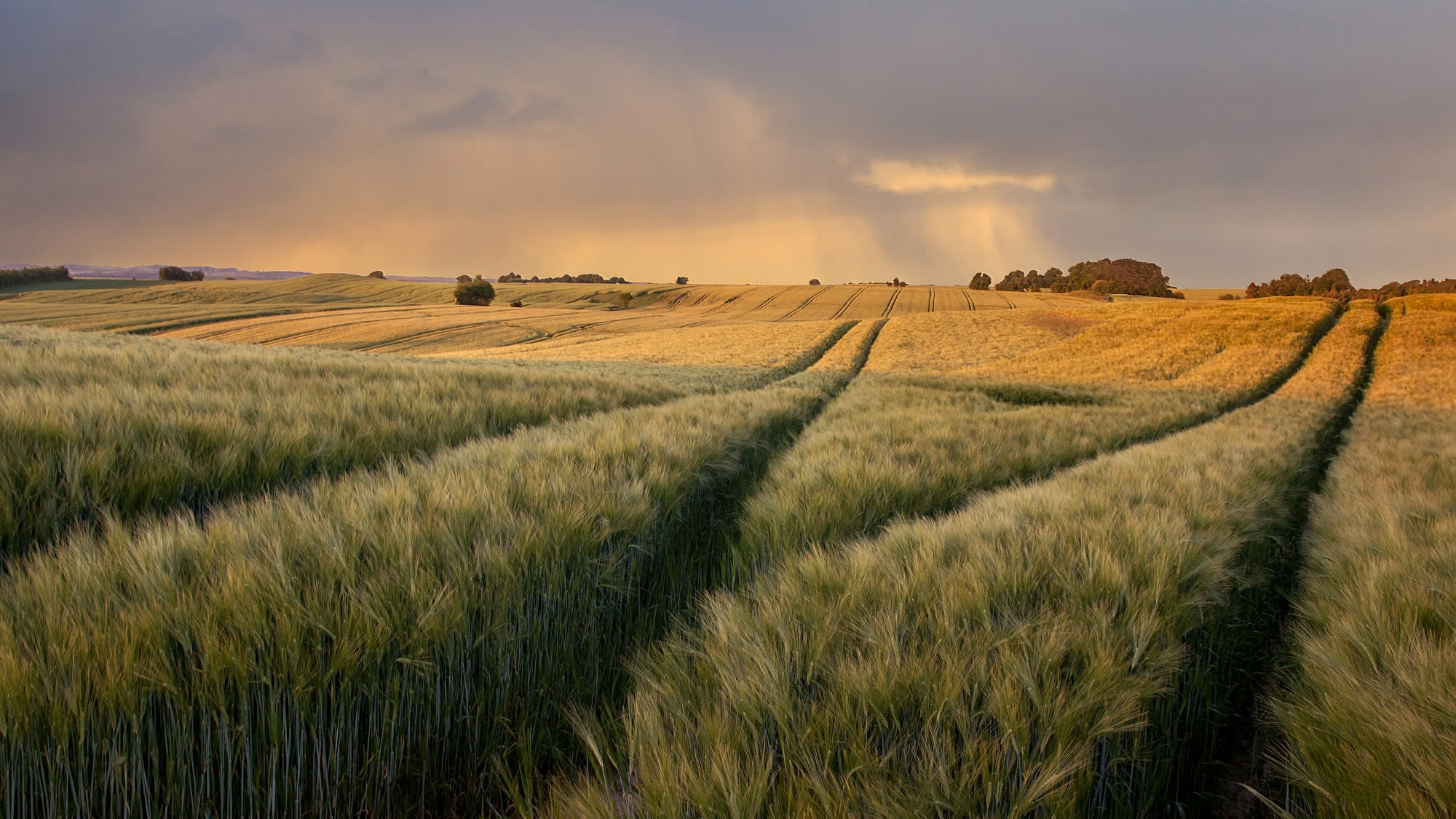

Syngenta unlocks hybrid wheat's potential
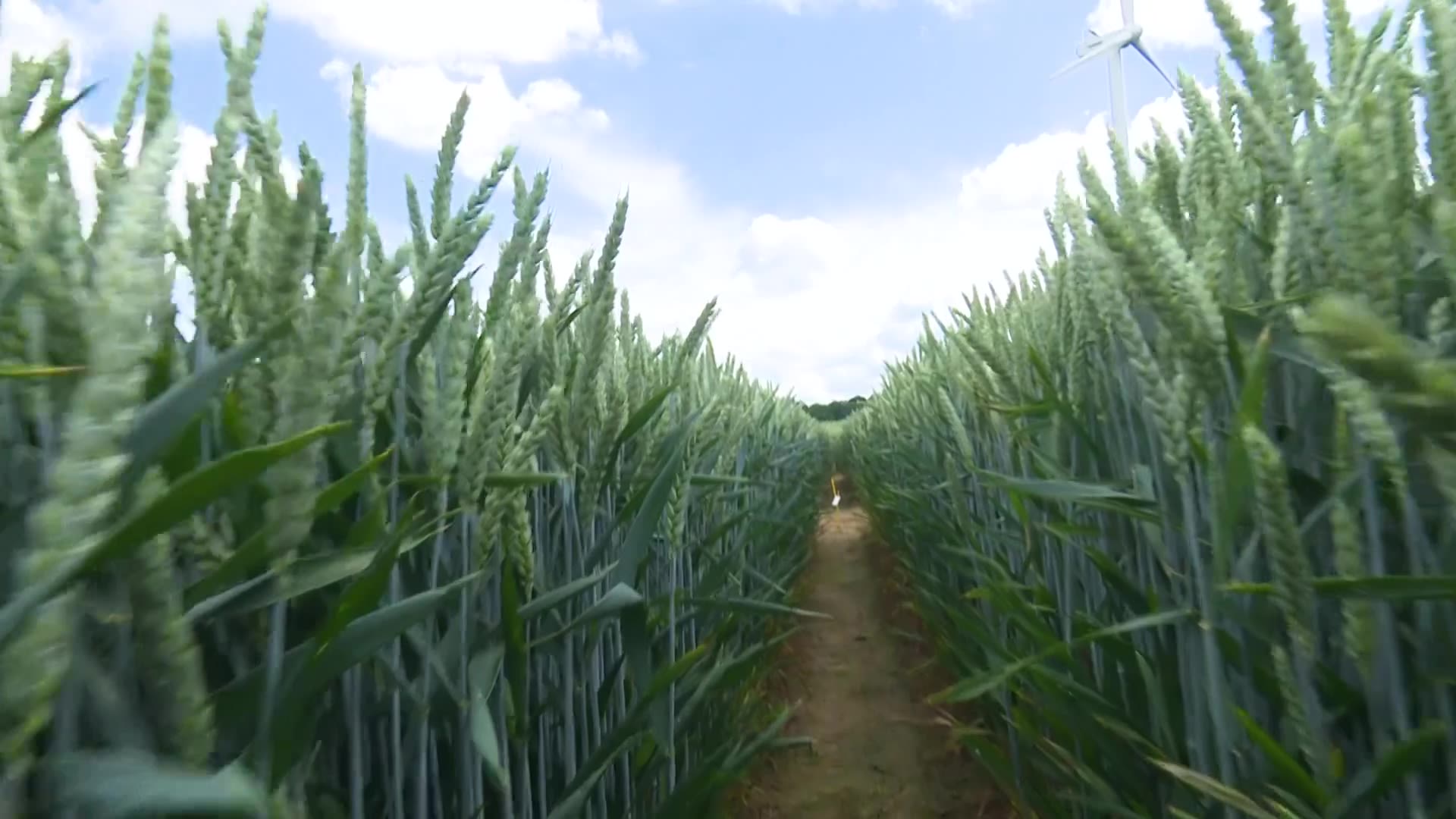

After 15 years of research, Syngenta has unlocked what plant scientists long considered impossible - commercially scalable hybrid wheat.
When it comes to the world’s most important food crops, wheat could easily be seen as number one. According to the USDA, global production reached 800 million tons last year. It’s grown across the world, is a staple food for 2.5 billion people, and is one of the primary plant-based protein sources for the global diet.
The last few decades have seen increases in yields in many other crops – often thanks to breakthroughs in hybridization. By cross breeding genetically different parent plants, the resulting offspring can carry beneficial traits, including higher yields.

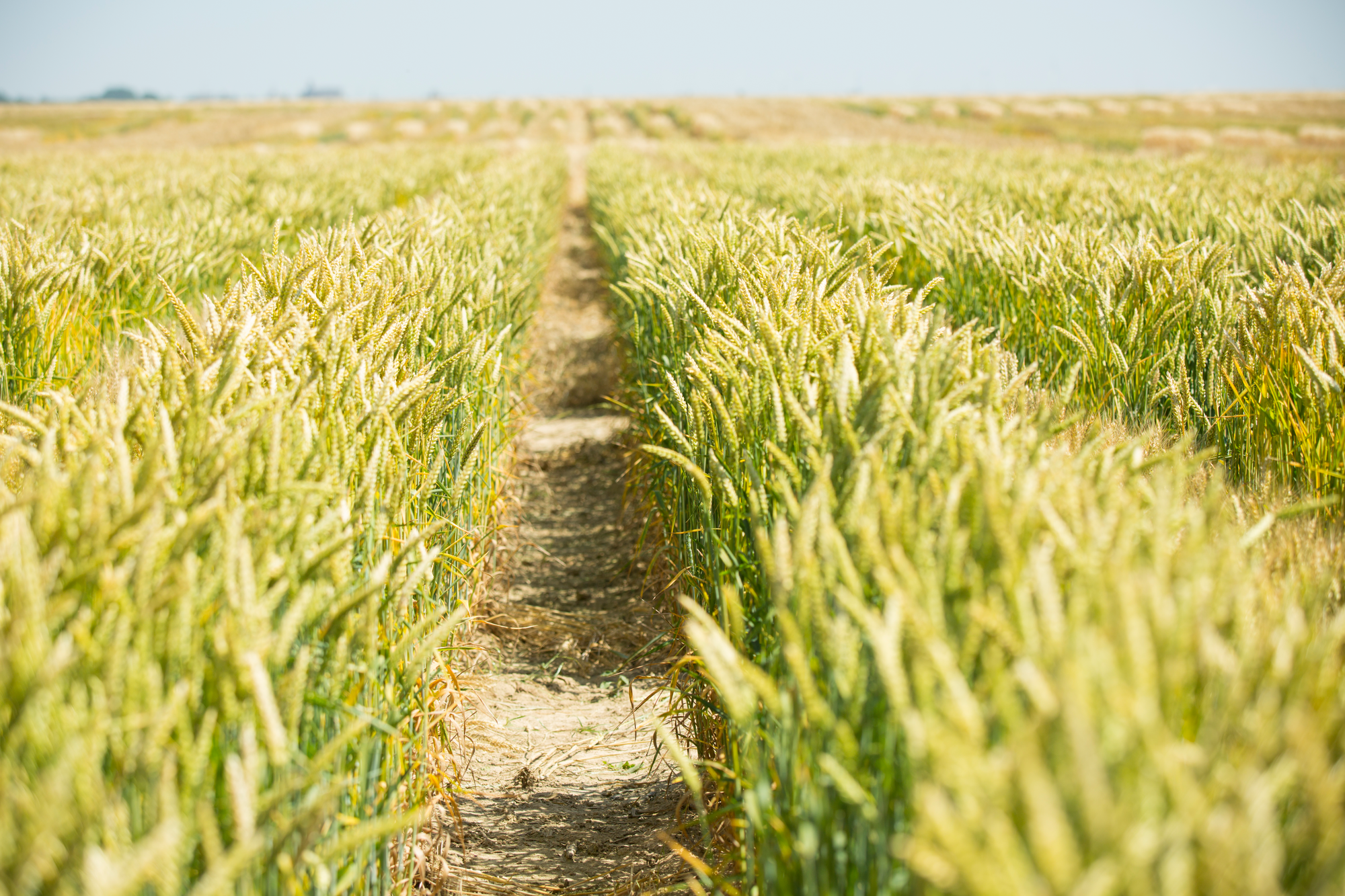
Global production of wheat reached 800 million tons last year, according to the USDA.
Global production of wheat reached 800 million tons last year, according to the USDA.
This is known as heterosis, or hybrid vigor. Hybridization in corn, rice and barley is well established and has helped raise productivity for these vital crops around the world.
But the same hasn’t been true for wheat. Though there have been previous attempts to harness the power of heterosis in wheat, these varieties have been limited and not viable at scale.
This leaves conventional varieties, but as James Melichar, Syngenta’s Europe Hybrid Cereals Portfolio Manager, explains: “The big challenge facing global wheat production is plateauing yields – new conventional varieties only get us so far.”
With the global population projected to reach up to 10 billion people by 2050, hybridization can unlock higher yields in key wheat producing markets, but that’s not the only upside that hybrids offer.
James explains: “The environment is tough for farmers who must manage everything from droughts to floods. Temperatures are also fluctuating more often, compounding the difficulties. Hybrids offer not just higher yields but stability and predictability versus conventional varieties.”


James Melichar, Europe Hybrid Cereals Portfolio Manager, Syngenta.
James Melichar, Europe Hybrid Cereals Portfolio Manager, Syngenta.
The hybrid wheat puzzle
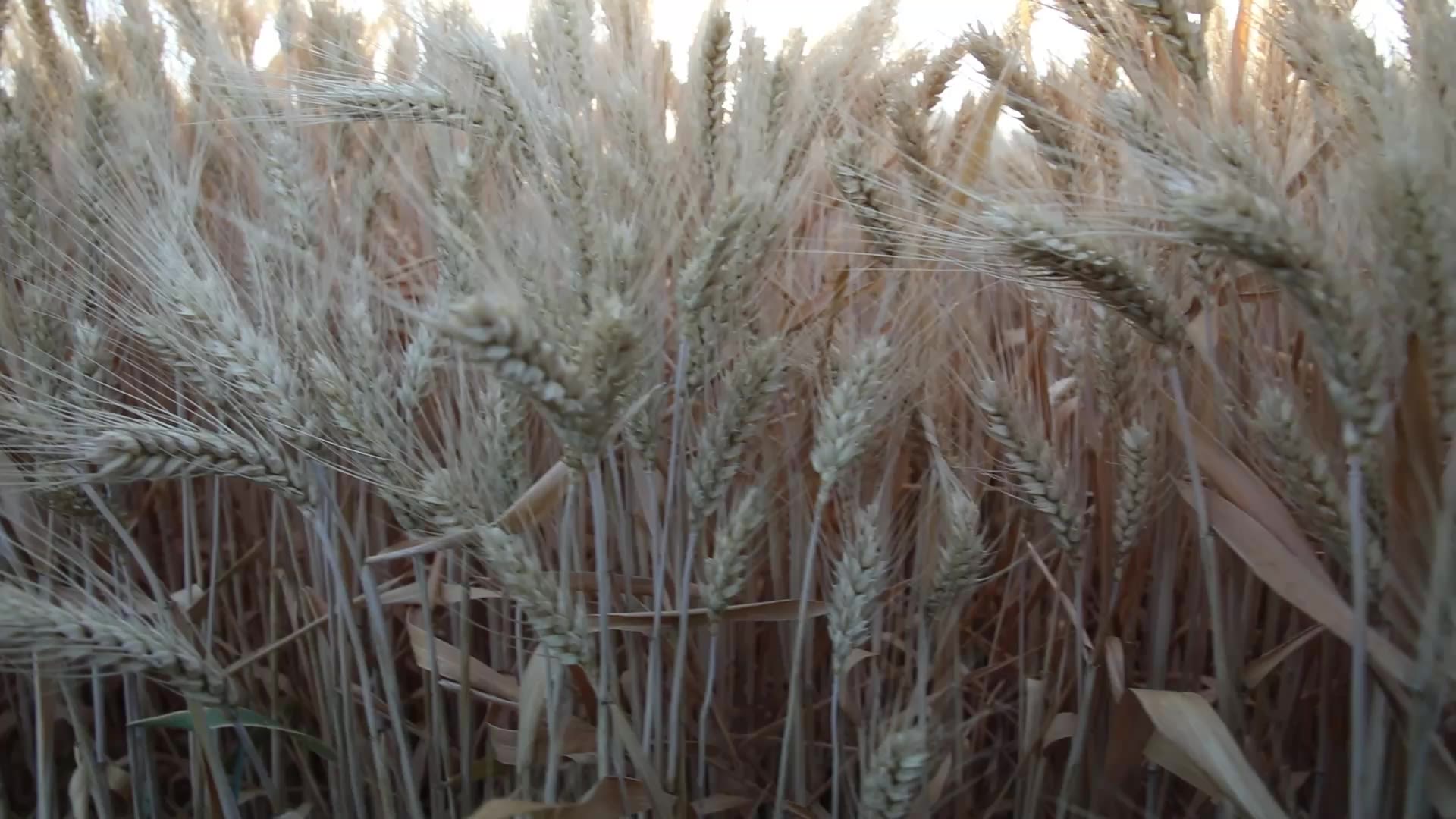

So, why hasn’t this kind of genetic hybridization come to wheat until now?
Partly because wheat is naturally self-pollinating, but the answer also lies in its sheer genetic complexity. As James says, this is the first scalable, genetic system for hybrid wheat production. Because of wheat’s unique genome, with six sets of chromosomes, successful hybridization at scale requires overcoming substantial scientific and technical challenges that have stymied plant breeders for generations.
“It’s the most complex crop out there, with three different genomes. What that means is that for the longest time we couldn’t track the right genes, and the positive traits they may carry, as you can with more genetically simple crops like corn.”
To see the scientific challenge of hybridizing wheat, let’s compare its genetics to another hybridized crop, barley.


Genomes
Barley only has a single genome, but the wheat genome is made up of three different subtypes.
Chromosomes
The unique structure of wheat makes understanding its genetics a huge scientific challenge.
Individual genes
Humans have around 20,000 protein coding genes. Barley has around 40,000 genes and wheat has been shown to have more than 107,000.
Thankfully, the technology for plant breeding has evolved. “Advances in genetic sequencing technology have been transformational. In 2010, we could analyze snippets of wheat DNA. Today, we can screen entire genomes, which is critical for a crop with this level of genetic complexity," says James.

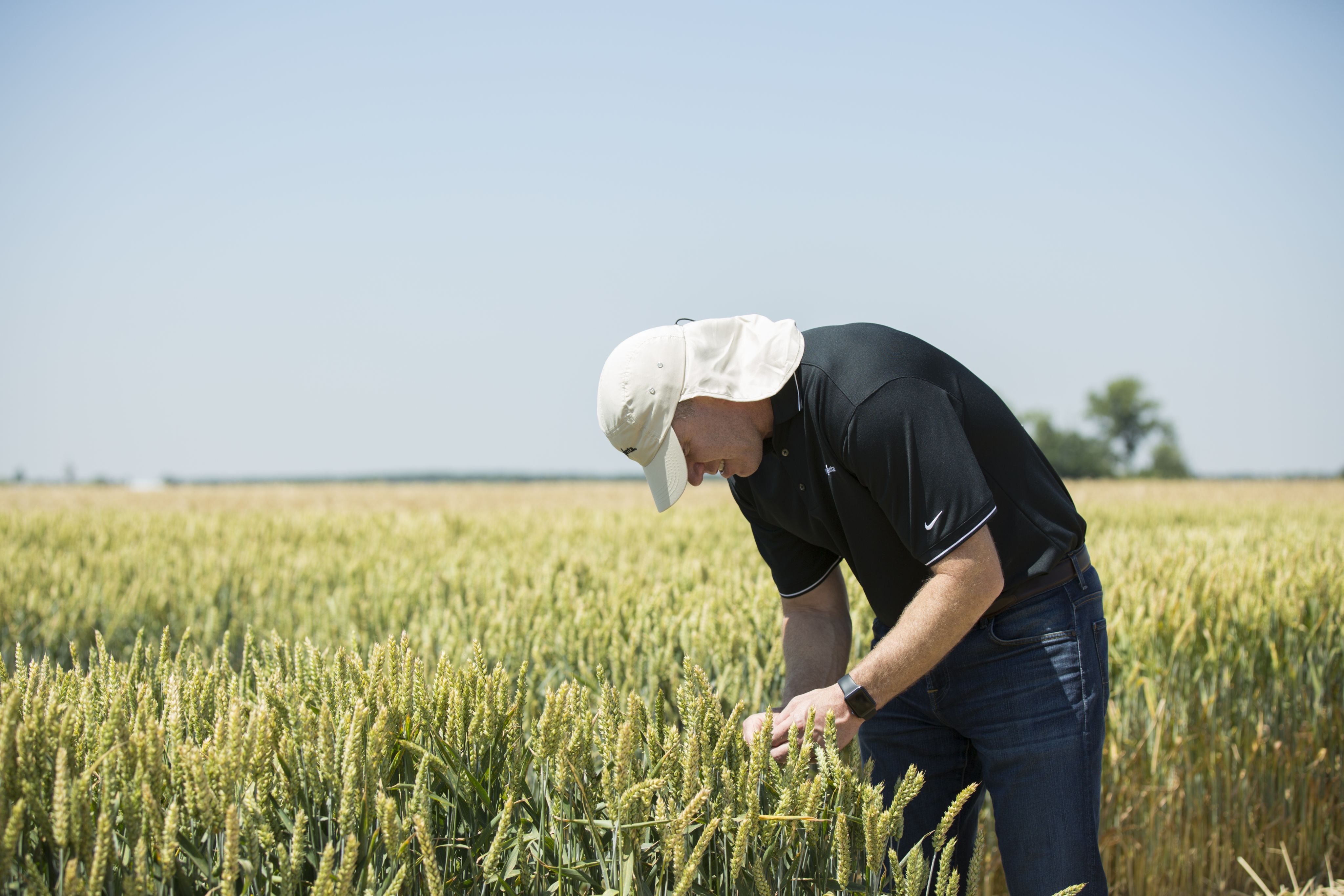
The journey to unlocking wheat's hybrid potential in wheat has been 15 years in the making.
The journey to unlocking wheat's hybrid potential in wheat has been 15 years in the making.
This is key, as knowledge about the wheat genome makes identifying which genes are responsible for positive traits easier, helping Syngenta breeders develop strong options as parental lines for a new hybrid.
But this hasn’t been an easy process. The journey of unlocking hybrid potential in wheat has been a breakthrough 15 years in the making.
James says: “We started with a proof of concept in May 2010, working for four years to produce an adapted hybrid. The next 10 years were spent scaling up this embryonic beginning into a commercially viable product.”
Breeding wheat hybrids at scale
This kind of breakthrough requires years of research, scientific expertise, and an operation that works at scale.
Conventional breeding from the days of Gregor Mendel is about making crosses from a rather narrow range of genetic possibilities, so to start working towards hybrids means building a large-scale breeding operation.
“The first thing you do is start to split a homogenous gene pool to introduce genetic diversity. This means that thousands of crosses are needed,” says James.
Establishing parental lines that can produce a hybrid is an exercise in patience, persistence, and precision. “There was massive attrition at the start,” says James.
All this work led to X-TERRA® - a breakthrough in wheat.



Sandra Maassen, Syngenta’s Hybrid Wheat Crop System Manager.
Sandra Maassen, Syngenta’s Hybrid Wheat Crop System Manager.
X-TERRA® optimized for the field
“Hybrid wheat is a major achievement that's involved so many people bringing this breakthrough to reality,” says Sandra Maassen, Syngenta’s Hybrid Wheat Crop System Manager.
But getting the most out of this breakthrough also means working differently in the field. Sandra says: “To make hybrid wheat a success at scale, we need to help farmers get the most out of the system.
“Think of it as a mathematical formula,” she says. “The success comes from the performance of the genetics in combination with the environment you plant it in, and the management practices farmers use.”
In the last three-and-a-half years, experts from Crop Protection and Seeds have worked closely together to develop management practices that will help hybrid wheat thrive.
“Everything is about optimization: weed management, disease management, biologicals – we want to know what tools will help and how,” adds Sandra.
Creating higher yields with lower impact
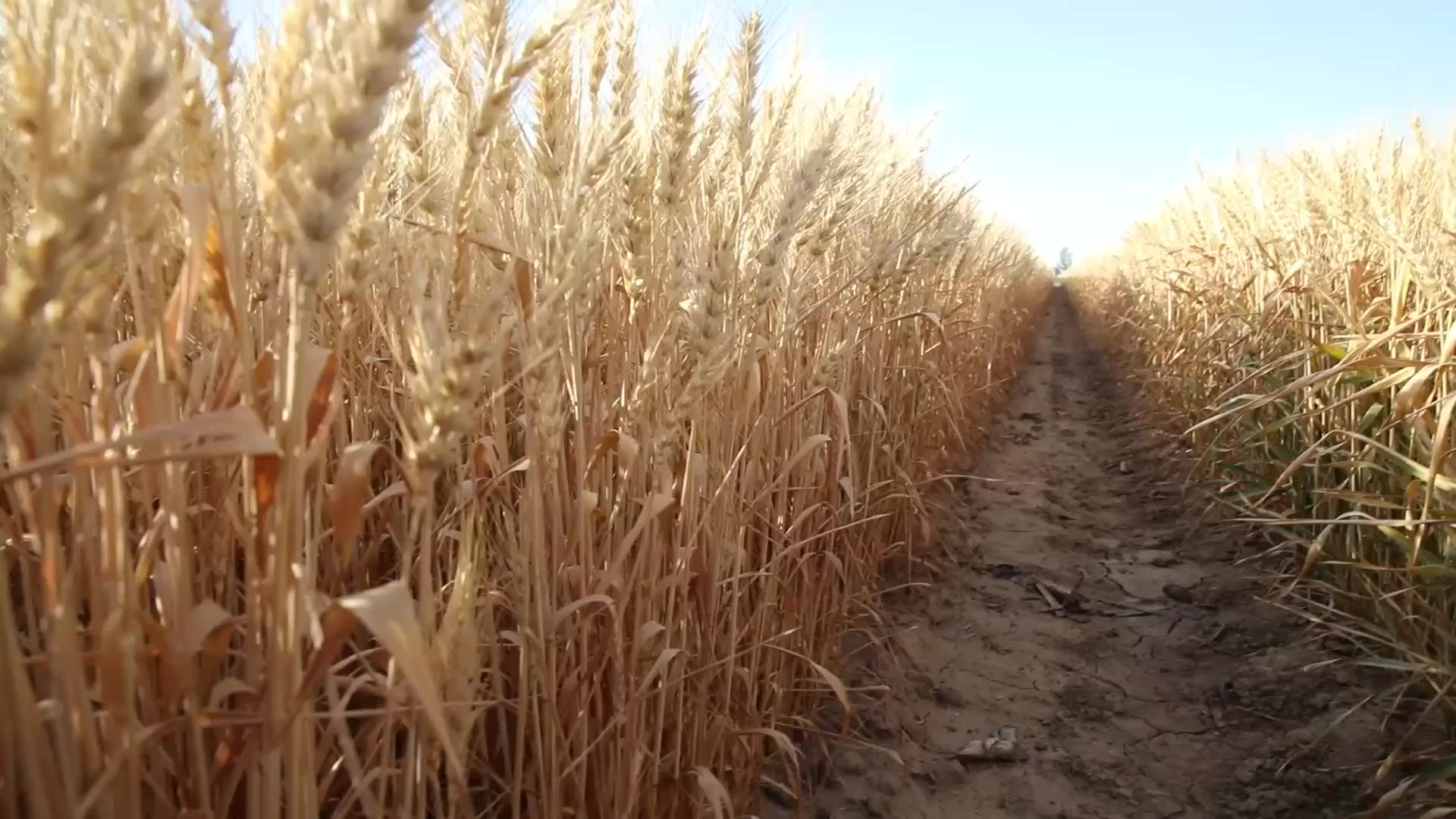

The development of this new crop system means farmers could see greater efficacy in the field too.
Sandra explains: “X-TERRA® has very good disease resistance against septoria, a major disease. That means the farmer could, with the help of a decision tool like Cropwise, start using biocontrol solutions or potentially skip their usual early-stage fungicide applications, allowing them to save some money and increase the sustainability of their operations.”
More than 40 projects over the last three years have tested different scenarios in order to develop a suite of optimized agronomic recommendations to ensure farmers see the difference that hybridization makes in the field.
“We develop a hypothesis and send it on to the development experts who run targeted trials – some paid off and some were proven wrong, but this is all learning we pass on to the farmers,” says Sandra.

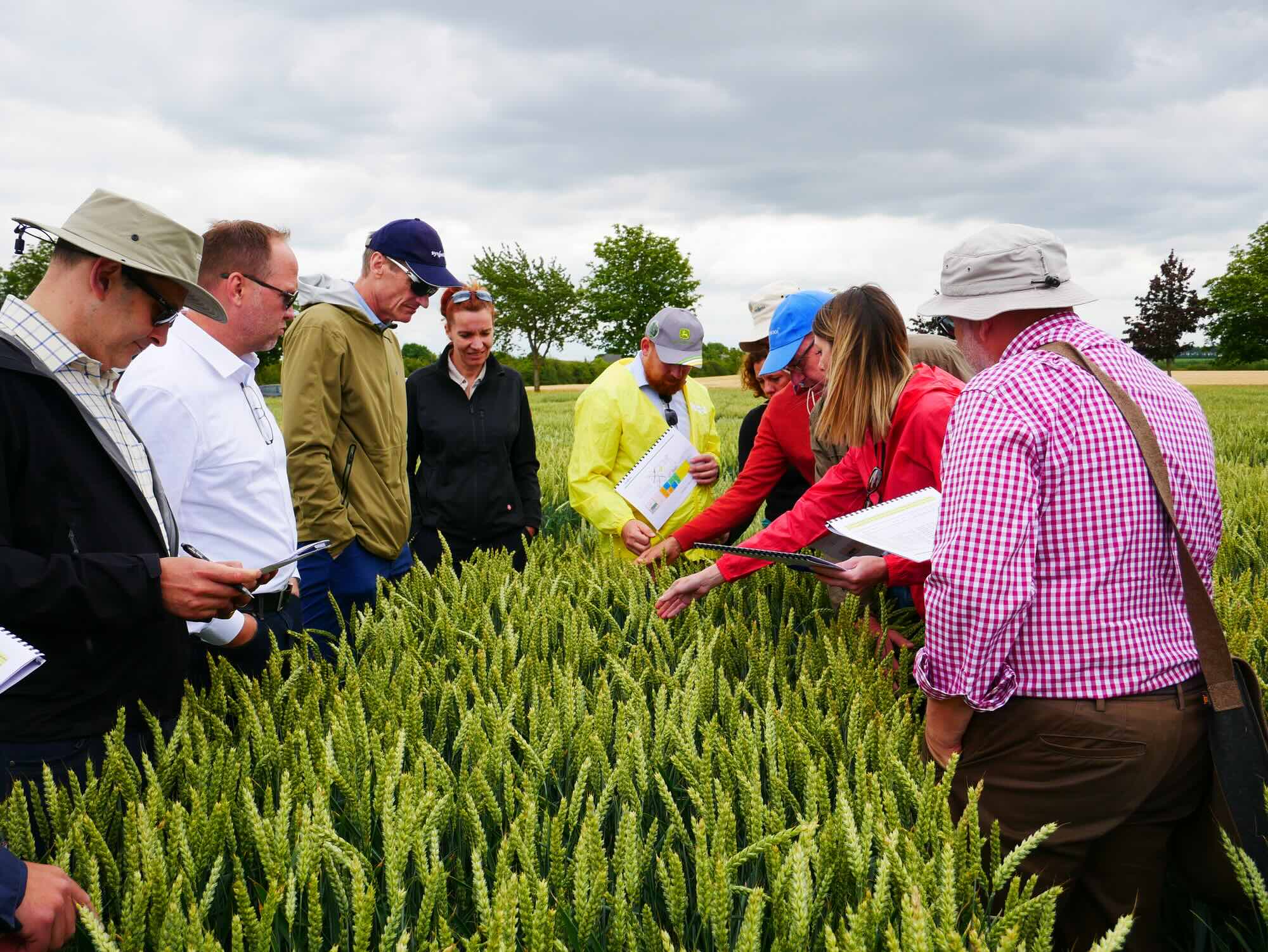
A suite of agronomic recommendations have been developed to ensure farmers see the difference in the field.
A suite of agronomic recommendations have been developed to ensure farmers see the difference in the field.
“With X-TERRA® we developed a whole crop system to bring the best possible advice to wheat farmers,” she continues.
Two X-TERRA® products have already been successfully registered in France and will launch in 2026. From there, the X-TERRA® platform will expand to reach farmers in the key regions of the UK (2027) and Germany (2029).
Innovation is continuing, with a rich pipeline of more than 20 new hybrid products currently in registration processes for these markets.
For farmers facing climate volatility and yield plateaus, X-TERRA® represents a fundamental shift in what wheat can deliver.