
How do you plant soybeans?
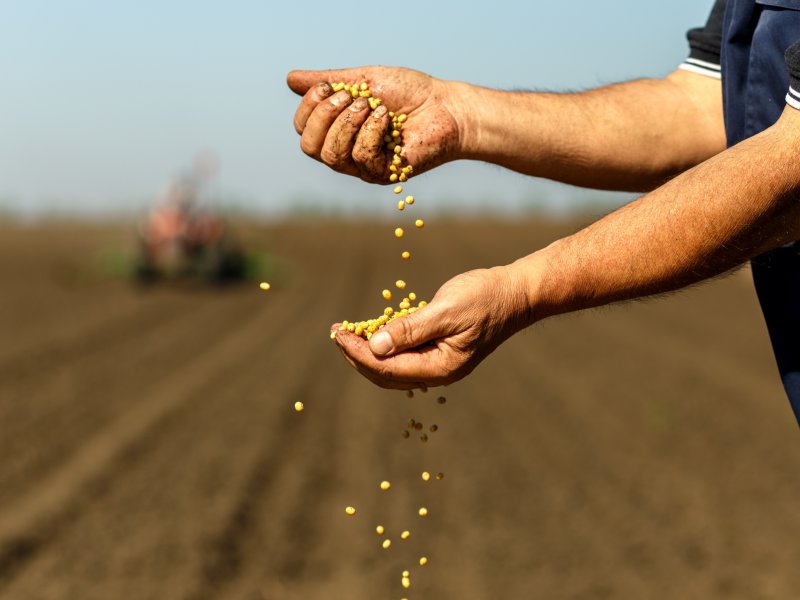
Successful soybean planting requires careful attention to optimal planting depth, row spacing, seeding rate, soil temperature, planting date, soil preparation and inoculation.
Optimal planting depth: Seeds should be planted around 1-1.5 inches deep in moist soil. Deeper planting might be necessary in dry conditions, but generally never exceeds 2 inches.
Row spacing: This is crucial for setting up a soy crop for success. Typically, farmers plant soybeans with 15-30 inches between rows, depending on their equipment and region. Narrow rows typically produce a better yield in northern regions, while wider rows may be preferred in southern areas.
Seeding rate: Recommended rate is generally 140,000-160,000 seeds per acre, adjusting for soil conditions and row spacing. Higher rates may be needed in poor soil conditions or when planting later in the season.
Soil temperature: Wait until soil reaches at least 50°F (10°C) at planting depth. Cold soil can lead to poor germination and an increased risk of diseases for seedlings.
Planting date: Usually late April to early June, depending on region and local climate patterns.
Soil preparation: Well-drained, fertile soil with pH between 6.3 and 6.5. This allows for maximized biological nitrogen fixation and nutrient availability.
Inoculation: First-time soybean fields may require proper Bradyrhizobia japonicum inoculation for optimal nitrogen fixation.

What are the most important factors for soybean growth?
Water management
• Adequate moisture during flowering and avoiding water stress in mid to late reproductive stages helps to ensure a healthy yield.
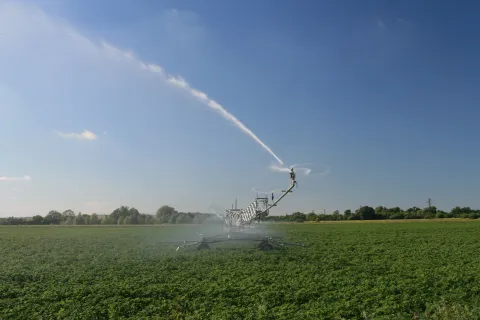
• Irrigation scheduling should maintain soil moisture between 50-70 percent of field capacity.
Soil fertility
• Nitrogen, phosphorus and potassium are particularly important for successful development.
• Sulfur and other micronutrient requirements must be met – the plant’s nutrient demand depends upon its growth stage. As plants mature and increase their mass they will inevitably draw more from the soil.
• High yielding soybean is a nutrient intensive crop which means careful attention must be given to nutrient management and fertilizer plans at the end of one season and the beginning of the next.
Environmental conditions
• Full sun exposure allows for maximum photosynthesis.
• Protection from strong winds during early growth stages can help protect the plants and reduce the risks of plants falling, otherwise known as lodging. As the main stem elongates through the sixth leaf stage, late lodging can also become a risk.
• Adequate air circulation is important as this helps control conditions for the development of white mold, otherwise known as Sclerotinia stem rot. Good air circulation can lower the humidity and raise the temperature in the canopy, making conditions more hostile for white mold which thrives in a more humid environment.
Saving soybeans with innovative science
When a mystery anomaly destroyed soybean crops in Brazil, Syngenta researchers raced to find the cause. Discover how rapid science turned the tide.
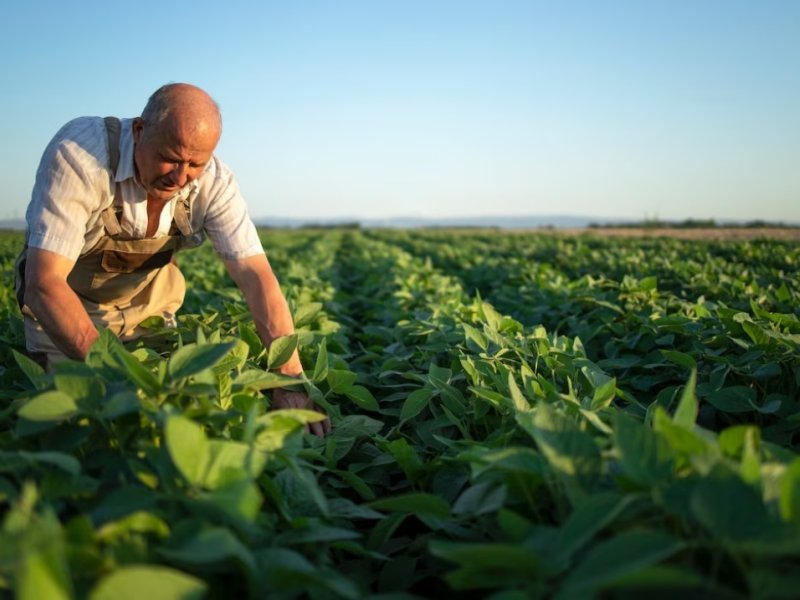
What is the best crop rotation for soybeans?
Implementing effective crop rotation strategies provides multiple benefits, and there are several different ways that crop rotation can be implemented for soybean cultivation.
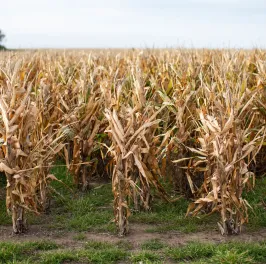
What is the best cover crop for soybeans?
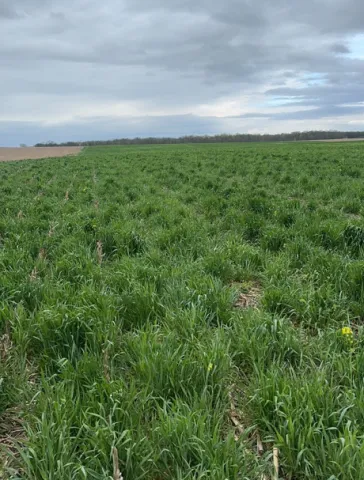
Cover crops do what their name suggests: their job is to cover the soil in between harvesting and planting of the main crop. They can provide numerous benefits for soybean production systems, from reducing soil erosion to boosting the organic matter available. There are a range of plants suitable for use like crimson clover, cereal rye or mixed species – the best option will depend on conditions, soil health and how well each cover crop fits into your broader operations.
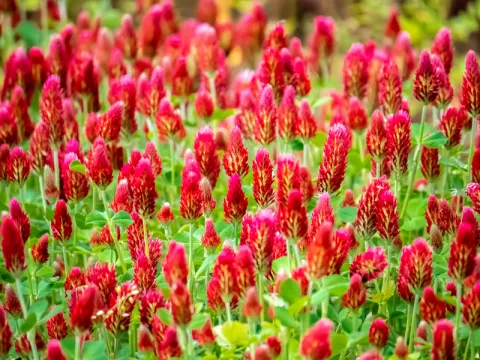
Crimson Clover
• Improves soil organic matter: this can boost the available nutrients in the soil and help improve overall soil health.
• It also attracts beneficial insects, offering biodiversity benefits.
Cereal rye
• It also offers outstanding weed suppression – cereal rye can outcompete many weeds, depriving them of nutrients.
• It offers excellent soil protection as its deep root system helps improve overall soil structure and reduces risk of erosion.
Mixed species approaches
A faster path to disease-resistant soybeans
Asian soybean rust can wipe out up to 80% of a harvest. Discover how Syngenta's new GiFT method could fast-track disease-resistant soybeans for farmers.
Pest pressure
There are a variety of pests that impact soybeans – here are a few of the most dangerous:
- Soybean cyst nematodes: These tiny parasitic worms are the leading yield-reducing pest, causing substantial losses.
- Japanese beetles: This pest causes leaf defoliation during critical stages, leaving behind skeletonized foliage. Regular scouting across the entire canopy is essential for tracking and monitoring their presence.
- Bean leaf beetles: These pests can cause early-season plant damage as well as transmit pathogens such as bean pod mottle virus.
- Fall armyworm: A voracious pest that can quickly cause massive losses. Fast spreading it can quickly defoliate entire fields.
- Spider mites: Especially problematic in hot, dry conditions or during times of water scarcity, spider mites can feed on the water and nutrient content in the plant leaves. Difficult to spot with the naked eye, a good trick is to shake a plant over a piece of white paper to make the tiny orange or yellow mites easier to spot.
- Stink bugs: Coming in different varieties, stink bugs cause direct damage to soybean seeds by piercing the pods and sucking out nutrients. Regular field sweeps from mid-July through to harvesting are essential to monitor levels.
Disease issues
- Sudden Death Syndrome: A devastating fungal disease that can cause complete yield loss and which can survive in crop residue or soil for several years. Some advanced varieties do carry partial resistance to Sudden Death Syndrome though the disease can be exacerbated by soybean cyst nematode infection.
- White mold: Prevalent in humid conditions, it first appears as a white fluffy growth appearing from lesions on otherwise healthy plants. Small black structures known as sclerotia may form on or in the stem of plants too. Wider row spacing can help reduce the conditions for the mold, but an integrated approach is always required.
- Phytophthora root and stem rot: This is a major disease that can be more of a risk in no-till fields or in low-lying areas that are prone to flooding.
- Brown stem rot: This serious disease shares some similarities with Sudden Death Syndrome. Externally, stems may look healthy but when cut open vertically, a brown pith can be seen along the plant’s vascular tissue.
Environmental challenges
- Drought stress: Drought in terms of low soil and atmospheric moisture can be particularly damaging during reproductive stages, causing reductions in leaf expansion and stem elongation.
- Flooding: Short term flooding of around 48 hours or less is generally tolerated, but long-term flooding can deprive soil of nitrogen and provide perfect conditions for disease-carrying fungus to proliferate.
- Heat stress in combination with water scarcity can be particularly challenging. It causes a halt to photosynthesis as the plant tries to conserve moisture, leading to slower growth overall.
- Early frost: A dense canopy may mitigate frost damage relatively well as it holds heat. However, early frost can cause serious damage to seeds that will tend to be small, flat, and green with a lower oil content.
- Soil compaction: This can be caused for a variety of reasons, but compacted soil can inhibit root respiration and oxygen supply, even leading to poor nitrogen fixation that leaves plants less able to absorb nutrients.
Five invasive pests threatening food security
Invasive insect species can multiply rapidly, devastating crops and threatening global food security. Discover the five biggest threats facing agriculture today.
What products does Syngenta offer for soybean famers?
Syngenta provides a range of solutions to help farmers protect their crops while maximizing their yields.
-
Seed Treatments
- CRUISERMAXX® VIBRANCE®: Complete protection against early-season insects and diseases
- SALTRO®: Superior protection against Sudden Death Syndrome as well as protection against Red Crown Rot and Soybean Cyst Nematode
- CLARIVA® ELITE BEANS: Targeted control of soybean cyst nematode and can enhance the performance of soybean cyst nematode resistant seed varieties
-
Herbicides
- BOUNDARY® 6.5 EC: Pre-emergence residual control against key grasses and broadleaf weeds
- FLEXSTAR® GT 3.5: Post-emergence treatment that offers leading broadleaf and grass control
- PREFIX®: Dual action pre-emergence control with excellent application flexibility
- TAVIUM® PLUS VAPORGRIP® TECHNOLOGY: Dicamba-based weed control, particularly effective against glyphosate-resistant weeds
-
Fungicides
- MIRAVIS® NEO: Broad-spectrum disease control with excellent frogeye leaf spot control and has proven performance against brown spot
- TRIVAPRO®: Offers three modes of action for maximum protection
- QUADRIS TOP® SBX: Strobilurin and triazole combination with two distinct modes of action
-
Insecticides
- ENDIGO® ZC: Broad-spectrum insect control
- WARRIOR II WITH ZEON TECHNOLOGY®: Advanced pyrethroid protection
Select your region
Product availability will vary by region. Please check regional websites or contact your local Syngenta representative for specific recommendations.